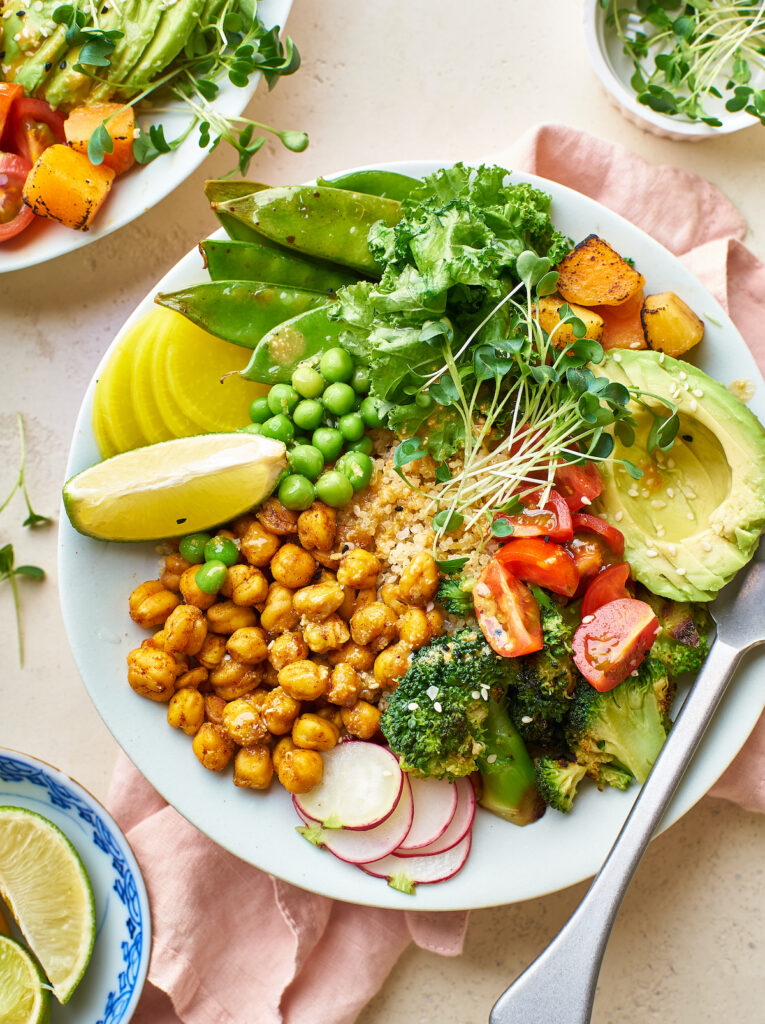
Flexitarianism is a flexible and inclusive approach to eating that focuses on incorporating more plant-based foods into your diet while still allowing for occasional consumption of animal products. For those looking to adopt a flexitarian lifestyle, meal prepping can be a game-changer. By preparing meals in advance, you can ensure that you have nutritious and satisfying options readily available throughout the week.
When it comes to flexitarian meal prep ideas, consider batch-cooking versatile staples like quinoa, brown rice, roasted vegetables, and tofu or tempeh. These ingredients can be used as building blocks for various dishes such as grain bowls, stir-fries, salads, and wraps. For more insights, check out our article on Elevate Your Cooking Game with Perfect R….
Stocking your pantry with key flexitarian staples is essential for creating flavorful meals. Some pantry must-haves include canned beans (such as chickpeas and black beans), whole grains (like oats and whole wheat pasta), nuts and seeds (such as almonds and chia seeds), spices (like cumin and turmeric), and plant-based proteins (such as lentils and edamame). For more insights, check out our article on Best Meditation Apps 2026: Transform You….
For breakfast, try starting your day with protein-rich options like overnight oats topped with nuts and fruit or avocado toast on whole grain bread. Lunchtime favorites could include veggie-packed salads with a variety of toppings or hearty soups loaded with beans and veggies.
Dinner recipes for flexitarians can range from comforting classics like vegetarian chili or vegetable lasagna to global-inspired dishes like tofu stir-fry with Asian flavors or chickpea curry with Middle Eastern spices. Experimenting with different cuisines can keep meals exciting while still aligning with flexitarian principles.
Snacks play an important role in keeping energy levels up throughout the day. Opt for portable options like fresh fruit, mixed nuts, veggie sticks with hummus, or homemade energy balls made from dates and nuts.
Smoothies are another convenient way to pack in nutrients on-the-go. Blend together leafy greens, frozen berries, plant-based protein powder, nut milk, and a scoop of nut butter for a satisfying beverage that can double as a meal replacement.
When it comes to dessert options for flexitarians, get creative by making treats using wholesome ingredients like dates for natural sweetness or incorporating superfoods like cacao powder for added nutritional benefits.
Protein sources are crucial for maintaining muscle mass and overall health on a flexitarian diet. Incorporate sources such as tofu, tempeh, legumes (beans/lentils), quinoa,
edamame,nuts/seeds,chickpeas,hemp/chia/flaxseeds into your daily meals.
By swapping out animal products in favor of plant-based alternatives where possible – such as using almond milk instead of cow’s milk in smoothies or opting
for lentil bolognese over traditional meat sauce – you can reduce your environmental footprint while still enjoying delicious food.
Incorporating budget-friendly ingredients like dried beans,lentils,oats,brown rice,and seasonal produce will help keep costs down while maximizing nutrition.
Embrace seasonal eating by choosing fruits/vegetables that are in season – not only does this support local farmers but also ensures optimal freshness
and flavor in your dishes
Eating out doesn’t have to derail your flexitarian goals; look
for restaurants offering diverse plant-based options such
as veggie-packed salads,soup/sandwich combos,stir-fries,
or customizable grain bowls.For kid-friendly fare think about
creative ways to incorporate vegetables into familiar dishes
like veggie-loaded spaghetti sauce,pizza toppings,
or smoothie popsicles.Making high fiber choices such
whole grains,fresh fruits/vegetables,nuts/seeds,and legumes
will help promote digestive health,optimize satiety,and regulate blood sugar levels.Opting for low-carb alternatives
like zucchini noodles,collard green wraps,cabbage slaw,
or cauliflower rice provide lighter options that still deliver
on taste.Flexitarians following gluten-free diets should focus on naturally gluten-free foods including fruits/
vegetables,nuts/seeds,dairy,eggs,fish/poultry,
legumes,and gluten-free grains.Quitting dairy doesn’t mean giving up creamy textures;
try swaps such coconut/almond/cashewmilk,yogurt &
cheese.Thinking about Mediterranean influences? Incorporate olive oil,fresh herbs,tomatoes,cucumbers & chickpeas into salads,dips,&grain bowls.Get inspired by Asian cuisine by experimenting w soy sauce,miso paste,tofu & seaweed.Try Latin American flavors w black beans,rice,sweet potatoes,&avocado.Or delve into Middle Eastern cooking w hummus,baba ghanoush,tahini,& falafel.Add fermented foods kimchi,kombucha,miso,sauerkraut & yogurt intoregular rotation;these probiotic-rich choices promote gut health&aid digestion.Superfoods are packed w antioxidants,vitamins,minerals,&fiber.Include blueberries,kale,salmon,walnuts,chia seeds,inca berries&sweet potatoes regularly.Another aspect beneficialtoflexitarians is practicing mindful eating;slow down during meals,enjoy every bite,your body will better signal when full leadingto less overeating&more satisfaction.Aimingtobecome aflexitarianallows flexibility within dietary preferenceswhile encouraging increased intakeoffruits/veggies&decreased relianceonanimalproducts.The fusionofplantbasedeatingwithoccasionalmeatconsumptioncanofferthebestofbothworlds—nutrientdensechoicescombinedwitheconomicfeasibility.Incorporatingsomeoftheseflexibleideasintoyourdailyroutinecancertainlybenefityourhealth&wellebinginthe longrun
Recommended Tools:
🎙️ Transform your text to natural speech with ElevenLabs
⚡ Discover powerful productivity tools at Smorgi Apps
🎯 Try BubbleText Keyboard for enhanced productivity
⌨️ Try MindfulAI Keyboard for enhanced productivity

Leave a Reply