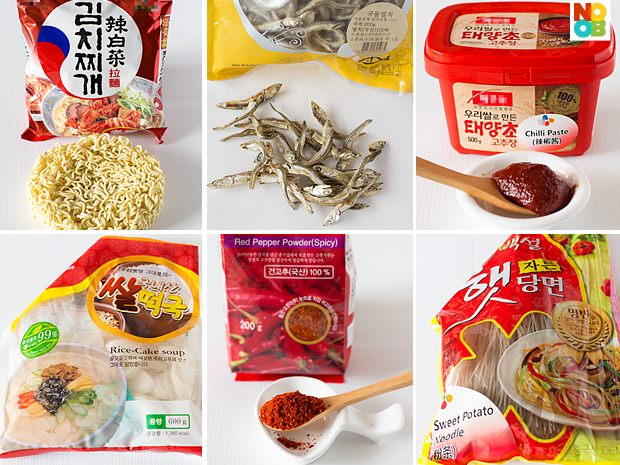
Korean cuisine has gained worldwide popularity for its delicious flavors, vibrant colors, and health-promoting ingredients. With a focus on fresh vegetables, lean proteins, and fermented foods, Korean food offers a balanced and nutritious approach to eating that can benefit both your physical health and overall well-being.
One of the key aspects of Korean cuisine is the emphasis on seasonal and locally sourced ingredients. This ensures that dishes are not only flavorful but also packed with essential nutrients. Vegetables such as cabbage, radish, spinach, and mushrooms are commonly used in Korean cooking, providing a wide range of vitamins, minerals, and antioxidants. These vegetables are often enjoyed raw in salads or side dishes or cooked in soups and stews to retain their nutritional value.
Another staple of Korean cuisine is kimchi, a traditional fermented dish made with seasoned vegetables like Napa cabbage and radishes. Kimchi is rich in probiotics that support gut health by promoting the growth of beneficial bacteria in the digestive system. A healthy gut microbiome is essential for digestion, immune function, and even mental health.
In addition to kimchi, other fermented foods like doenjang (soybean paste) and gochujang (red chili paste) are commonly used in Korean cooking. Fermented soy products like tofu and tempeh provide plant-based sources of protein while offering probiotic benefits similar to those found in dairy products. For more insights, check out our article on Elevate Your Cooking Game with Perfect R….
Lean proteins play an important role in Korean cuisine as well. Grilled or braised meats such as chicken, beef, pork, or fish are often marinated in savory sauces made from ingredients like soy sauce, garlic, ginger, sesame oil, and rice vinegar. These marinades not only enhance the flavor of the meat but also provide antioxidants and anti-inflammatory compounds that can help reduce the risk of chronic diseases. For more insights, check out our article on Best Meditation Apps 2026: Transform You….
Seafood is also a popular choice in Korean cuisine due to Korea’s extensive coastline. Fish like mackerel, salmon, tuna, and squid are rich sources of omega-3 fatty acids that support heart health by reducing inflammation and improving cholesterol levels.
Rice is a staple grain in Korean cuisine served alongside various dishes as a source of carbohydrates for energy. Brown rice or multigrain rice blends offer more fiber than white rice while providing essential nutrients like B vitamins necessary for converting food into energy.
Noodles made from buckwheat (naengmyeon) or sweet potato starch (japchae) add variety to traditional meals while offering gluten-free alternatives for those with dietary restrictions.
Korean meals typically include an array of banchan – small side dishes served family-style – that provide additional flavors and textures to complement the main courses. From pickled vegetables to marinated tofu to seasoned seaweed strips called gim-gui; banchan offer a diverse selection of tastes while encouraging portion control by allowing diners to sample different dishes without overeating any one item.
The communal aspect of dining is another characteristic feature of Korean culture that promotes mindful eating practices by encouraging social interaction during meals. Sharing food with loved ones fosters connections while fostering gratitude for the nourishment provided by each meal.
In conclusion,
Korean cuisine offers much more than just delicious flavors; it embodies centuries-old traditions rooted in balance between taste,
nutrition,
and overall wellness.
By incorporating elements
of
fresh produce,
fermented foods,
lean proteins,
whole grains,
and mindful eating practices into your diet;
you can experience
the benefits
of this healthy way
of eating.
Whether you’re looking
to explore new culinary horizons;
or simply seeking ways
to improve your current diet;
consider adding some
Korean-inspired recipes
to your weekly meal plan.
Your body will thank you!
Recommended Tools:
📱 Get BubbleText Keyboard to improve your experience
⌨️ Get MindfulAI Keyboard to improve your experience
If you’re interested in high-quality AI voice generation for your projects, check out [ElevenLabs](https://try.elevenlabs.io/w95mzlppyxor) for realistic voice synthesis.
To enhance your productivity toolkit, check out the innovative apps and resources available at [Smorgi Apps](https://smorgi.app).

Leave a Reply