Glycemic Load: What It Is and Why It Matters
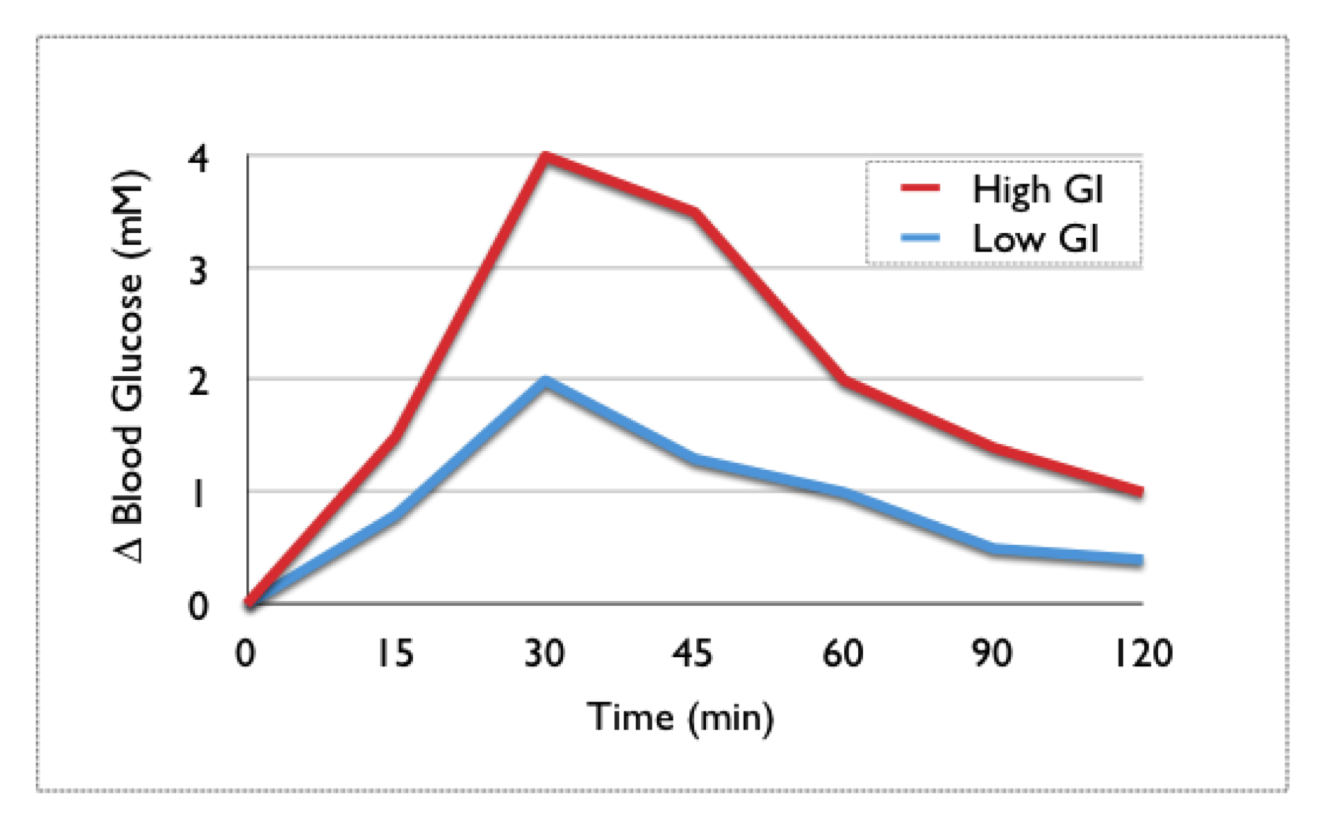
When it comes to healthy eating, you’ve probably heard a lot about the importance of choosing foods that are low on the glycemic index. But have you ever heard of glycemic load? While similar in concept to the glycemic index, glycemic load takes into account not just how quickly a food raises your blood sugar levels, but also how much of that food you’re consuming.
What is Glycemic Load?
Glycemic load (GL) is a measure of how much carbohydrate is in a serving of food and how quickly it raises your blood glucose levels. Unlike the glycemic index (GI), which ranks individual foods based on their effect on blood sugar levels, GL looks at both the quantity and quality of carbohydrates in a given serving or portion size.
How is Glycemic Load Calculated?
To calculate GL, you multiply the GI by the amount of available carbohydrates per serving and then divide by 100. The result gives you an estimate of how much a particular food will raise your blood glucose level.
For example, let’s look at watermelon. Watermelon has a high GI score of 72 because it contains simple sugars that are easily absorbed into the bloodstream. However, because watermelon contains very few carbohydrates per serving—only about six grams for one cup chopped—it has a low GL score of around four.
On the other hand, pasta has a moderate GI score of around 50-60 depending on cooking time and type but contains up to 40 grams or more carbs per serving — thus having higher GL scores ranging from medium to high!
Why Does Glycemic Load Matter?
While both glycemic index and glycemic load can be useful tools for managing blood sugar levels—and therefore potentially reducing your risk for conditions like diabetes—it’s important to understand that they don’t tell the whole story when it comes to healthy eating.
For example, low-fat ice cream may have a relatively low glycemic index because it contains little or no sugar. However, it’s still an indulgent treat that is high in calories and fat. Similarly, some “healthy” foods like fruits and vegetables may have higher GI scores but are still packed with essential vitamins and minerals.
That said, there are several compelling reasons to pay attention to the glycemic load of your meals:
1. Better Blood Sugar Control
Foods with a high GL can cause spikes in blood glucose levels that can be difficult for your body to handle. Over time, this can lead to insulin resistance and type 2 diabetes.
By choosing foods with a lower GL (like non-starchy vegetables or whole grains), you can help keep your blood sugar levels more stable throughout the day.
2. Increased Satiety
Foods with a lower GL tend to be higher in fiber and protein, both of which help you feel fuller for longer periods of time than simple carbohydrates like white bread or sugary drinks.
Including these types of foods in your diet can help prevent overeating and promote weight loss.
3. Improved Heart Health
Studies have shown that diets high in refined carbohydrates (which typically have a high GL) are associated with an increased risk of heart disease.
By focusing on whole-food sources of carbohydrate that also happen to be low on the glycemic index (think sweet potatoes or quinoa), you’ll not only reduce your risk for heart disease but also improve overall health!
Examples of Low Glycemic Load Foods:
– Non-starchy vegetables: broccoli, spinach, kale
– Fruits: berries (strawberries, blueberries), cherries
– Whole Grains: oats, barley
– Legumes: lentils, chickpeas
– Nuts/seeds: almonds, chia seeds
Examples Of High Glycemic Load Foods:
– Processed snack foods: candy, chips
– Refined carbohydrates: white bread, pasta
– Sweet foods and beverages: soda, cakes
Tips For Lowering Your Glycemic Load:
1. Choose whole-food sources of carbohydrate like fruits or vegetables.
2. Pair higher GL foods with protein or healthy fats to slow down digestion and reduce blood sugar spikes (i.e., have some nuts with your apple).
3. Avoid processed snacks and sugary drinks that can cause sudden insulin spikes.
4. Stick to smaller portion sizes of higher glycemic load foods like grains or potatoes.
Conclusion:
While it’s important to understand the concept of glycemic load when making food choices, it’s equally important not to get too hung up on a single number or rating system.
Instead, focus on eating a varied diet rich in whole-food sources of carbohydrate that are low on the glycemic index but still provide essential nutrients for optimal health!

Leave a Reply