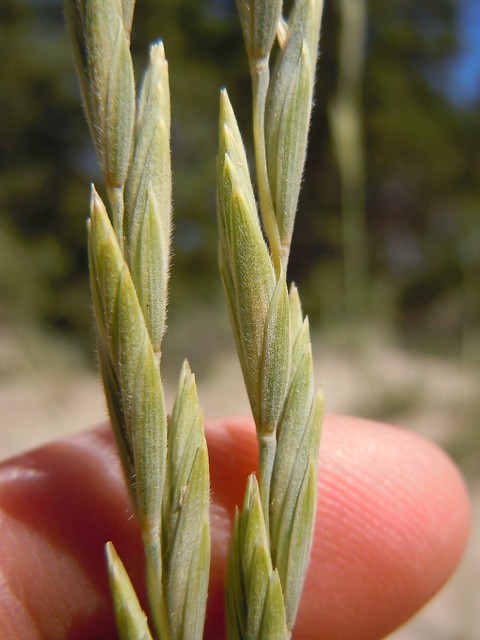
Wheatgrass has been popular among health enthusiasts and is known for its numerous health benefits. A lot of people have started to grow wheatgrass at home, and it’s not just humans who are indulging in it. Many pet owners are wondering if their furry friends can consume wheatgrass too.
The answer is yes! Wheatgrass is safe for pets, including dogs and cats, as long as it’s given in moderation. In fact, many pet stores sell wheatgrass specifically for pets. However, before you start feeding your pets with wheatgrass, there are some things that you need to know.
Firstly, why do people give their pets wheatgrass? Wheatgrass is packed with nutrients such as vitamins A, C and E; minerals like calcium and iron; amino acids; antioxidants; chlorophyll; enzymes and more. These nutrients help boost the immune system of both humans and animals alike.
Wheatgrass also contains fiber which aids digestion by promoting regular bowel movements. This can be particularly helpful for cats who may struggle with constipation or hairballs.
Furthermore, chewing on wheatgrass can be a great way to keep your pet’s teeth clean while providing them with a healthy snack alternative to processed treats.
It’s important to note that while small amounts of wheat grass won’t harm your pet’s digestive system but giving excessive quantities may lead to an upset stomach due to the high fibre content found in this plant.
While feeding your pets with fresh-cut wheat grass from outside may seem like a good idea at first glance but doing so could expose them to harmful chemicals such as pesticides or fertilizers used during the growing process. Therefore it would be best if you grew the grass yourself or purchased organic soil grown variants from trusted sources
Growing your own wheat grass might sound daunting but trust us when we say that it’s pretty simple! All you need is a tray/container filled with soil (preferably organic), some seeds (wheatgrass seeds can be purchased online or at a plant store), and water.
Fill the tray/container with soil, sprinkle the seeds over the top, and add water. Place it in an area that gets plenty of natural light but doesn’t get too hot (ideally between 60-75°F). It takes about 7-10 days for wheatgrass to grow, depending on how much sunlight it receives.
Once your wheatgrass has grown to a decent height, you can cut it down with scissors and give it to your pet. Some pets may prefer chewing on the grass directly from the container!
If you don’t have space or resources for growing wheatgrass yourself then there are many organic variants available in stores as well these days.
It’s important to note that while wheatgrass is safe for pets, some animals may not like its taste or texture. If your pet seems uninterested in eating wheatgrass, don’t force them – they’ll likely find something else that they enjoy more!
In summary, feeding your pets with small amounts of wheat grass could potentially provide numerous health benefits such as boosting their immune systems and aiding digestion. However one must ensure moderation is maintained since excessive consumption could lead to digestive problems due to high fibre content. Additionally purchasing local sources would help avoid consuming harmful chemicals used during growth and lastly it’s important to keep in mind that each animal will have different preferences when it comes to what treats they enjoy so observe if this is something which interests your furry friend before making this a regular part of their diet.

Leave a Reply