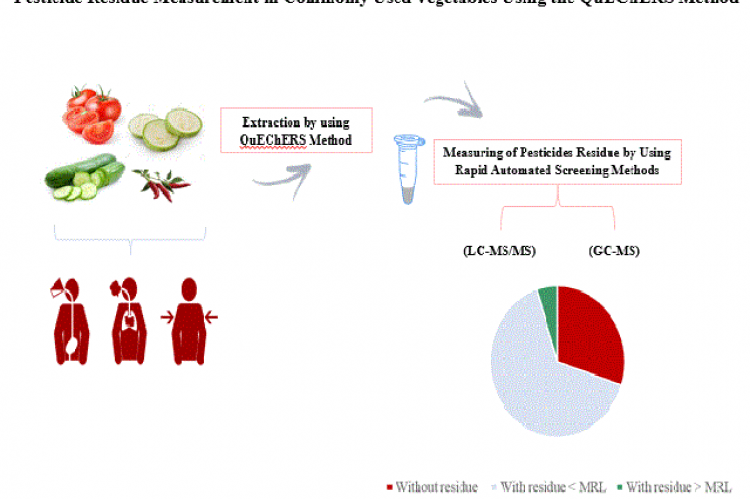
Pesticide-Free Food: The Newest Trend in Healthy Eating?
For years, we have been told that eating fruits and vegetables is good for our health. But what if I were to tell you that the very same fruits and vegetables may be harming us? That’s right – the produce we consume on a daily basis could be filled with harmful pesticides. In recent times, there has been a growing trend towards pesticide-free food, which advocates claim is healthier for both people and the environment.
What are Pesticides?
Pesticides are chemicals used to protect crops from pests such as insects, weeds or fungi. They are classified into four categories: insecticides (to kill insects), herbicides (to kill weeds), fungicides (to kill fungi) and rodenticides (to kill rodents). While they serve an important purpose in modern agriculture by helping farmers increase yield and prevent crop damage, many of these chemicals have been linked to serious health problems like cancer, birth defects, neurological disorders etc.
The Risks of Consuming Pesticides
Research conducted over the last few decades has shown that consuming large amounts of pesticides can lead to chronic health problems like Parkinson’s disease, depression, infertility and even cancer. Moreover, infants and young children who consume foods high in pesticides show lower IQ scores compared to those who do not.
It is evident that these risks can be minimized by reducing exposure through food consumption especially when it comes to children’s diets where small exposures can cause lifelong harm.
Pesticide-Free Foods: What Are They?
Some farmers use natural methods for pest control instead of chemical treatments. This approach involves creating habitats on their farms for beneficial organisms such as ladybugs or spiders which eat pests naturally without having any negative effects on humans or wildlife. Other farmers employ crop rotation techniques where different plants are grown each season so that soil-borne diseases cannot accumulate over time.
Moreover some companies certify their products as “pesticide-free” or “organic”, which means they are grown without the use of synthetic pesticides. These products are usually more expensive than conventionally grown produce, but many people believe that it is worth it for the health benefits.
Benefits of Pesticide-Free Foods
Pesticide-free foods have numerous benefits that make them a better choice for our health and environment.
Firstly, they contain fewer harmful chemicals compared to conventionally grown produce. This lowers your risk of exposure to these chemicals and reduces your chances of developing serious health problems such as cancer, birth defects, neurological disorders etc.
Secondly, pesticide-free foods are often more nutritious because natural farming methods help retain soil nutrients like nitrogen and phosphorus. Moreover some studies suggest that organic crops may have higher levels of certain vitamins and minerals compared to conventional crops.
Thirdly, eating pesticide-free food supports sustainable agriculture practices which work towards preserving biodiversity instead of destroying it. The pesticides used in conventional farming can harm beneficial insects like bees or butterflies which play a crucial role in pollination and maintaining healthy ecosystems.
Lastly but not least importantly , by choosing pesticide-free food you support farmers who employ environmentally-friendly practices on their farms rather than those who rely on dangerous chemicals to boost yields at any cost .
How Can You Get Your Hands-On Pesticide-Free Foods?
One way is to buy from local farmers’ markets where most small-scale farmers grow their crops using natural pest control techniques . This approach not only helps reduce environmental pollution but also encourages buying locally produced goods which supports local economies .
Another option is to look for certified organic products at grocery stores near you. These products undergo rigorous testing procedures before being labeled as “organic” ensuring that there were no synthetic pesticides used during production process .
If neither option works for you then consider growing your own fruits and vegetables in backyard garden with natural pest control techniques . This will ensure that the food you consume is completely free from chemical residues while also reducing overall carbon footprint .
Conclusion
Pesticide-free foods are a growing industry, and for good reason. By choosing to eat these products, you can reduce your exposure to harmful chemicals while supporting sustainable agriculture practices that benefit both the environment and our health. So next time you go grocery shopping, consider buying organic or pesticide-free produce – it may be more expensive but it’s worth it!

Leave a Reply