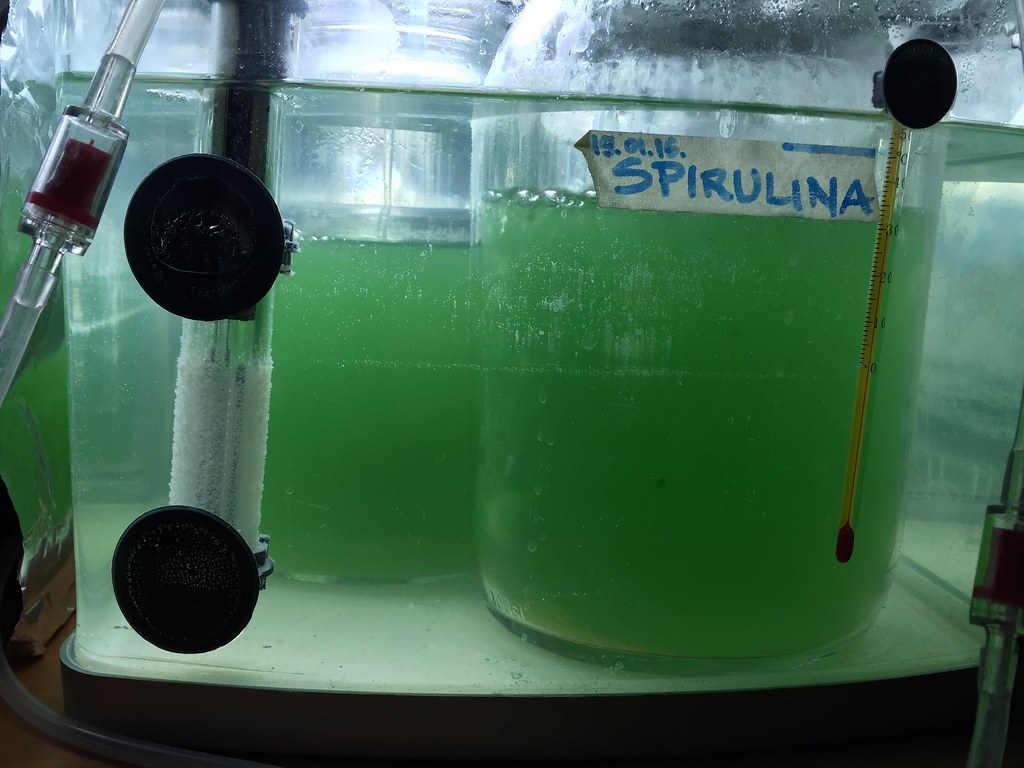
Spirulina is a blue-green algae that grows naturally in warm, alkaline waters. It has been consumed by humans for centuries and is known to be rich in protein, vitamins, minerals, and antioxidants. Spirulina is also considered to be one of the most nutrient-dense foods on the planet.
South America is home to several spirulina processing facilities that produce high-quality spirulina powder for consumption. The process of producing spirulina powder involves harvesting the algae from large open-air ponds and drying it using low-temperature technology. This ensures that the nutrients remain intact.
The first step in processing spirulina is to grow it in large open-air ponds under controlled conditions. The ponds are filled with alkaline water that contains all the necessary nutrients required for the growth of spirulina. The pH level of the water is maintained between 9-11, which creates an ideal environment for spirulina growth.
As the algae grows, it forms a dense layer on top of the water surface called biomass. Once this biomass reaches a certain density, it is harvested using specialized equipment such as nets or filters. The harvested biomass is then washed thoroughly with clean water to remove any impurities or debris.
After washing, the biomass undergoes a process called centrifugation where it’s spun at high speeds to separate out excess water from solids. This results in a thick paste-like substance known as “wet cake”. This wet cake contains about 15-25% moisture content and needs further drying before being processed into powder form.
The next step involves drying out this wet cake so that it can be ground into fine powder form suitable for human consumption. There are two methods used for drying – sun-drying or low-temperature air-drying method (LTAD). Sun-drying method involves spreading out wet cake on flat surfaces under direct sunlight until moisture evaporates completely leaving behind dry product ready for grinding.
However, the LTAD method is considered to be more efficient and also helps retain more nutrients. In this method, wet cake is placed in a special drying chamber where it’s exposed to low-temperature air for several hours until moisture evaporates completely. This results in a dry product that retains all its original nutrient content.
Once dried, the spirulina powder undergoes testing to ensure that it meets all necessary quality standards. The powder is then packed into airtight containers or bags and shipped off for use in various food products such as smoothie bowls, protein shakes, energy bars, etc.
In conclusion, Spirulina processing involves harvesting the algae from large open-air ponds and drying it using low-temperature technology. South America has some of the best facilities producing high-quality spirulina powder suitable for human consumption. By following strict quality standards throughout the process ensures that consumers receive a safe and nutrient-dense product with every purchase.

Leave a Reply