Portion Control for Kids: How to Encourage Healthy Eating Habits
Portion control is an important aspect of healthy eating, and it’s never too early to start teaching kids about this concept. It can be challenging to get children excited about portion control, but with a little creativity and patience, parents and caregivers can promote healthy habits that will last a lifetime.
Here are some tips for encouraging portion control in kids:
1. Teach Them About Serving Sizes
One of the most important things you can do to help your child understand portion control is to teach them about serving sizes. Many children (and adults!) don’t realize how much they’re actually supposed to eat at each meal. Use visual aids like measuring cups or food scales to show them what a serving size looks like for different foods.
For example, one serving of pasta is typically 1/2 cup cooked, while one serving of chicken should be around 3 ounces. You can also use everyday objects as reference points; for example, a deck of cards is roughly the same size as 3 ounces of meat.
2. Make Mealtimes Fun
Kids are more likely to embrace new ideas if they’re having fun while doing it! Try making mealtimes interactive by involving your child in the preparation process or trying out new recipes together.
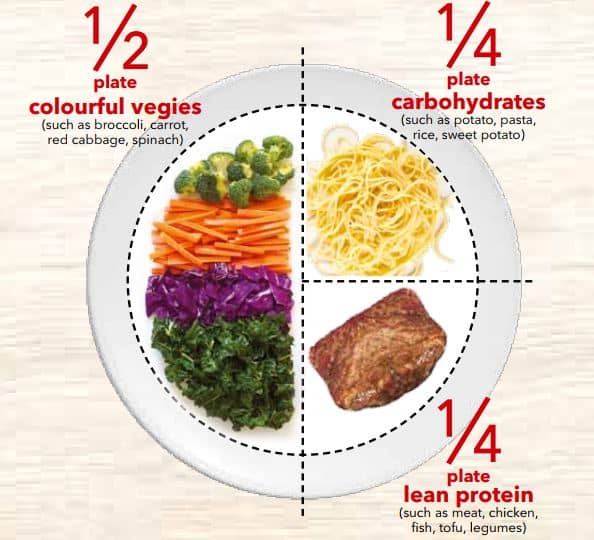
You could also try setting up a “build-your-own” meal station where your child can choose their own portions from different options laid out on the table. For example, you could have bowls of rice, beans, veggies and lean protein available so your child can create their own balanced plate.
3. Focus on Nutrient-Dense Foods
When it comes to portion control, quality matters just as much as quantity! Encourage your child to fill their plates with nutrient-dense foods like fruits, vegetables and whole grains rather than empty-calorie snacks like candy or chips.
Not only will these healthier choices keep your child feeling full and satisfied, but they’ll also provide the vitamins and minerals their growing bodies need to thrive.
4. Use Smaller Plates
Portion control is all about perception; studies have shown that people tend to eat more when they’re presented with larger portions, regardless of how hungry they actually are.
To combat this effect, try using smaller plates or bowls for meals and snacks. This will make it easier for your child to recognize what a healthy portion size looks like without feeling like they’re missing out on anything.
5. Encourage Mindful Eating
Another key component of portion control is encouraging mindful eating habits. This means paying attention to hunger cues and eating slowly rather than rushing through meals.
Teach your child to pause between bites and savor each one, taking time to appreciate the flavors and textures of different foods. This will not only help them stay in touch with their body’s needs but also reduce the likelihood of overeating due to mindless snacking.
6. Avoid Using Food as a Reward
Using food as a reward can set up unhealthy associations that can last into adulthood. Instead of offering dessert or other treats as a prize for good behavior or accomplishments, try non-food rewards like extra screen time or an activity you can do together (like going for a walk or playing a game).
This way, your child won’t feel like certain foods are off-limits unless they “earn” them – instead, they’ll learn that healthy choices are just as rewarding in their own right!
7. Be Patient!
Finally, remember that teaching kids about portion control is an ongoing process! Don’t get discouraged if your child doesn’t immediately embrace new habits – it may take several tries before something clicks.
Try framing things positively by focusing on the benefits of healthy choices rather than making it seem like a chore or punishment; this will help encourage your child’s natural curiosity and desire to learn more about nutrition and healthy living.
In conclusion, portion control is an important part of a healthy lifestyle that can be taught to children from a young age. By teaching kids about serving sizes, making mealtimes fun, focusing on nutrient-dense foods, using smaller plates and encouraging mindful eating habits, parents and caregivers can help promote positive habits that will last into adulthood. Remember to be patient and positive throughout the process; with time and effort, your child will develop a lifelong appreciation for healthy eating!

Leave a Reply