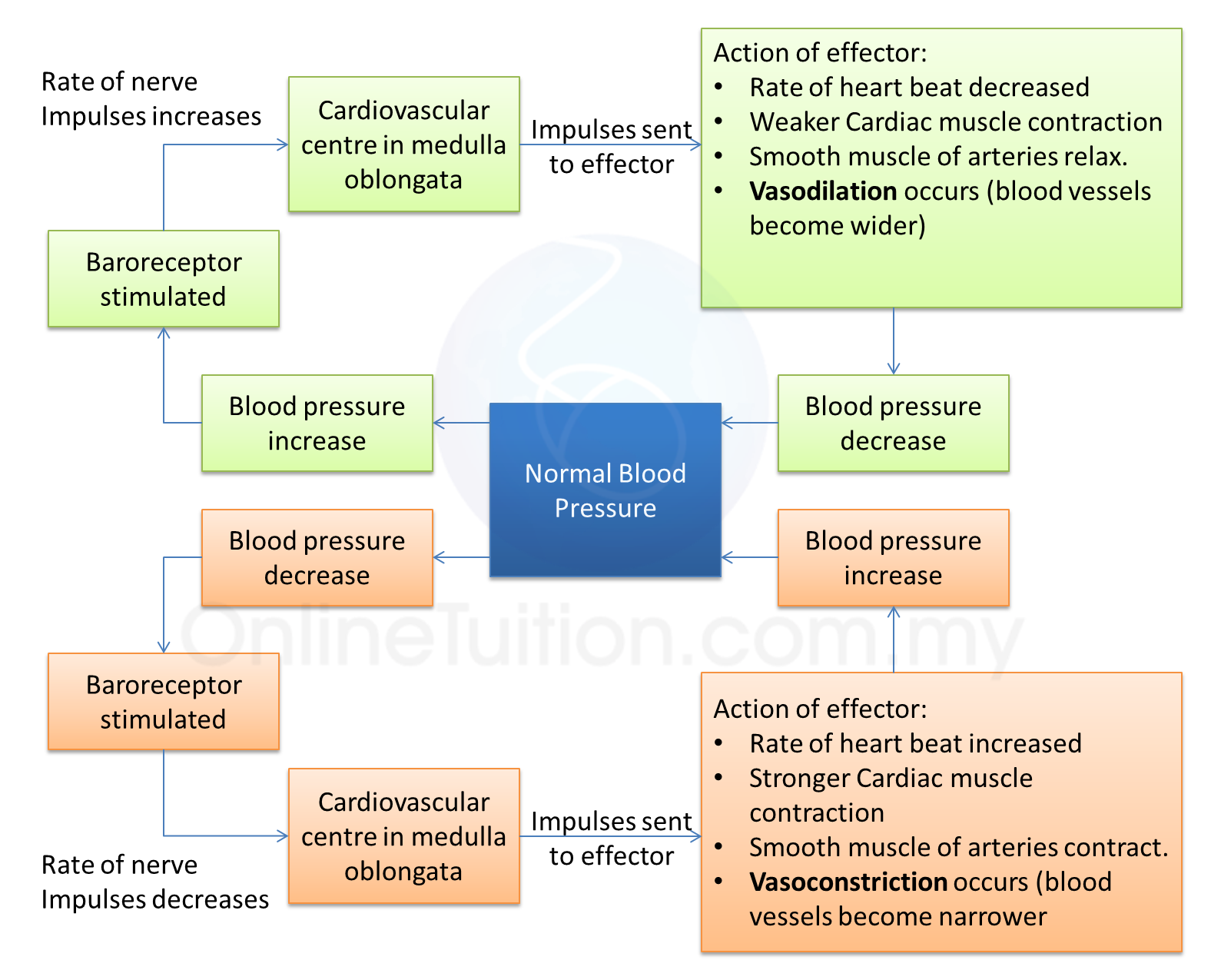
Thank you for giving me the opportunity to write about blood pressure regulation, an essential topic that should be discussed more often. High blood pressure is a widespread health problem that affects millions of people worldwide, and it can lead to serious complications such as heart disease, stroke, and kidney failure. However, with proper diet and lifestyle changes, high blood pressure can be prevented or effectively managed. In this interview-style post, we will delve deeper into the mechanisms of blood pressure regulation and offer some practical tips on how to maintain healthy blood pressure levels.
Q: What is blood pressure?
A: Blood pressure is the force exerted by your circulating blood against the walls of your arteries as it flows through them. It’s measured in millimeters of mercury (mm Hg) and consists of two numbers- systolic (top number) and diastolic (bottom number). The systolic reading represents the highest level reached when your heart beats while pushing out blood from its chambers into the arteries. The diastolic reading represents the lowest level reached when your heart relaxes between beats.
Q: How does our body regulate blood pressure?
A: Our body has a sophisticated mechanism for regulating blood pressure called homeostasis. Several organs work together to maintain proper balance within our cardiovascular system:
1) Heart -The heart pumps oxygen-rich blood throughout our bodies via a network of arteries.
2) Arteries -They carry oxygen-richblood away fromtheheartto other parts ofthebody.
3) Kidneys – They play a crucial role in regulating fluid balance in our bodies by filtering waste products from our bloodstream.
4) Nervous System- It controls many vital functions related to circulation like controlling heartbeat rateand narrowing or wideningofblood vessels
5) Hormones -These are chemical messengers produced by various glands that help regulate different bodily functions including water retention which affects BP
Q: How does diet affect Blood Pressure?
A: The food we eat plays a significant role in regulating our blood pressure. A healthy diet can help keep your blood pressure within a healthy range, while an unhealthy one can lead to high blood pressure.
Here are some dietary tips for maintaining healthy BP:
1) Reduce salt intake – High sodium intake is known to cause fluid retention, which increases blood volume and raises blood pressure. Limiting sodium intake to less than 2,300 mg per day (or even lower if you have hypertension) may be helpful.
2) Eat Potassium-rich foods- Foods like bananas, spinach, sweet potatoes etc. have potassium that helps counterbalance the effects of sodium on BP
3) Incorporate more fruits and vegetables – Eating fruits and veggies provides essential nutrients like vitamins C & E that help maintain healthy arteries; they also contain fiber which has been shown to reduce systemic inflammation linked with hypertension.
4) Limit alcohol consumption – Alcoholic beverages can raise BP by increasing heart rate and constricting arterioles.
5) Cut back on processed foods rich in saturated fats- They contribute to clogged arteries which makes it harder for the heart to pump blood through them leadingto higherBP
Q: What lifestyle changes can help regulate Blood Pressure?
A: Along with diet changes mentioned above, there are several lifestyle modifications that can positively impact your Blood Pressure levels:
1) Exercise regularly- Engaging in physical activity helps improve circulation by strengthening the heart’s ability to pump outblood efficientlyand making arteries more elastic.
2) Manage stress – Chronic stress leads to overactivity of the nervous system which causes constriction of arterioles resulting in higher BP; techniques like deep breathing exercises or meditationcan be helpfulin reducingstress levels
3) Maintain a Healthy weight- Being overweight puts extra strain on the heart as it needs topump harder causinghigherBP; losing excess fat through exercise&dietary modificationscan significantlyimprove BP readings
4) Quit smoking – Nicotine in cigarettes causes narrowing of blood vessels, increasing the workload on the heart leading to higher BP.
In conclusion, high blood pressure is a serious condition that can have severe consequences if left unchecked. However, by making simple lifestyle changes such as eating healthily, exercising regularly and managing stress levels, it’s possible to prevent or effectively manage hypertension. By taking proactive steps towards maintaining healthy BP levels, you will be doing your body a great service- ensuring better cardiovascular health overall while avoiding potentially life-threatening complications down the line.

Leave a Reply