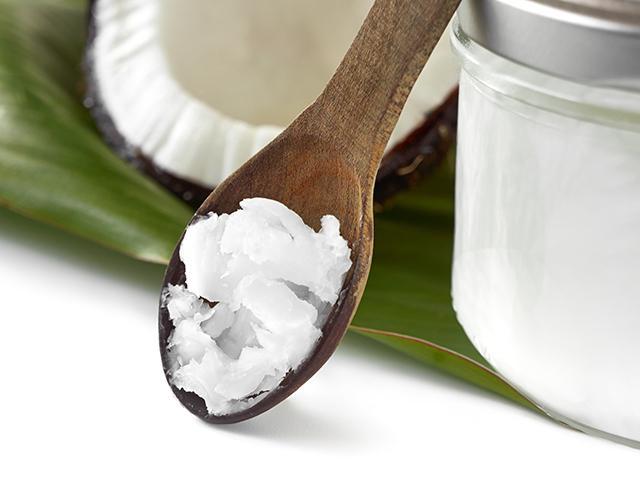
Coconut Oil: A Controversial Superfood
Coconut oil has been hailed as a superfood in recent years, with its popularity skyrocketing due to its numerous health benefits. From aiding weight loss to improving brain function and promoting heart health, the claims about coconut oil seem almost too good to be true. However, despite its many reported benefits, there is also significant controversy surrounding this tropical oil.
Let’s take a closer look at what exactly coconut oil is and why it has become such a popular ingredient in our kitchens.
What is Coconut Oil?
Coconut oil is derived from the meat of mature coconuts harvested from the coconut palm tree (Cocos nucifera). It has been used for centuries by people living in tropical regions where coconuts are abundant, primarily as cooking oil or as an ingredient in traditional medicines.
Coconut oil contains medium-chain triglycerides (MCTs), which are unique fatty acids that are metabolized differently than other types of fat found in food. Unlike long-chain fatty acids commonly found in animal products like butter and cheese, MCTs are rapidly absorbed by the liver and converted into ketones – an alternative source of energy for your body.
Health Benefits of Coconut Oil
Weight Loss
One of the most touted benefits of coconut oil is weight loss. According to some studies, MCTs can increase metabolism and reduce appetite when consumed regularly. One study showed that consuming 1-2 tablespoons of coconut oil per day led to significant reductions in abdominal fat compared to those who did not consume any.
Heart Health
Another benefit attributed to consuming coconut oil regularly is improved heart health. Some studies have shown that it can raise HDL cholesterol levels (the “good” cholesterol) while reducing LDL cholesterol (“bad” cholesterol) levels – both important factors for preventing heart disease.
Brain Function
The MCTs found in coconut oil may also improve brain function, particularly in people with Alzheimer’s disease. Some studies have shown that ketones can provide an alternative energy source to brain cells that are unable to process glucose (the primary source of energy for most cells in the body), thus improving cognitive function.
Skin and Hair Care
Coconut oil is also popular as a natural remedy for skin care, particularly in tropical regions where it is readily available. It is believed to be effective at moisturizing the skin, reducing inflammation and redness, and even fighting acne. Additionally, coconut oil can help promote healthy hair by preventing protein loss and providing moisture.
Controversy Surrounding Coconut Oil
Despite its many reported benefits, there is also significant controversy surrounding coconut oil – particularly when it comes to its impact on heart health.
Saturated Fat Content
Coconut oil contains high levels of saturated fat – around 90% per serving. According to some experts, this makes it one of the least healthy oils you could consume regularly since consuming too much saturated fat has been linked to an increased risk of heart disease. However, others argue that not all saturated fats are created equal and point out that MCTs are metabolized differently than other types of fatty acids found in animal products like butter or cheese.
Lack of Research
Another issue regarding coconut oil is the lack of research on its long-term effects on health outcomes such as weight loss or heart disease prevention. While some studies have shown positive results for these claims, many experts say more research needs to be done before any definitive conclusions can be drawn.
Conclusion
So what’s the verdict? Is coconut oil a miracle superfood or a dangerous ingredient best avoided? The answer lies somewhere in between: while there does seem to be evidence supporting some health benefits associated with consuming coconut oil regularly – particularly those related to weight loss and improved cognitive function – there are still concerns about its high saturated fat content and lack of research into long-term effects on health outcomes.
As with all dietary choices, it’s important to consume coconut oil in moderation and as part of a balanced diet. If you’re looking to incorporate more healthy fats into your diet, consider incorporating other sources like nuts, seeds, and avocados alongside coconut oil.
In conclusion, while the jury is still out on whether or not coconut oil is a true superfood or just another health fad – one thing is certain: it should be consumed in moderation as part of an overall healthy lifestyle.

Leave a Reply