Gluten-Free Diet for Gut Health: A Retrospective Look
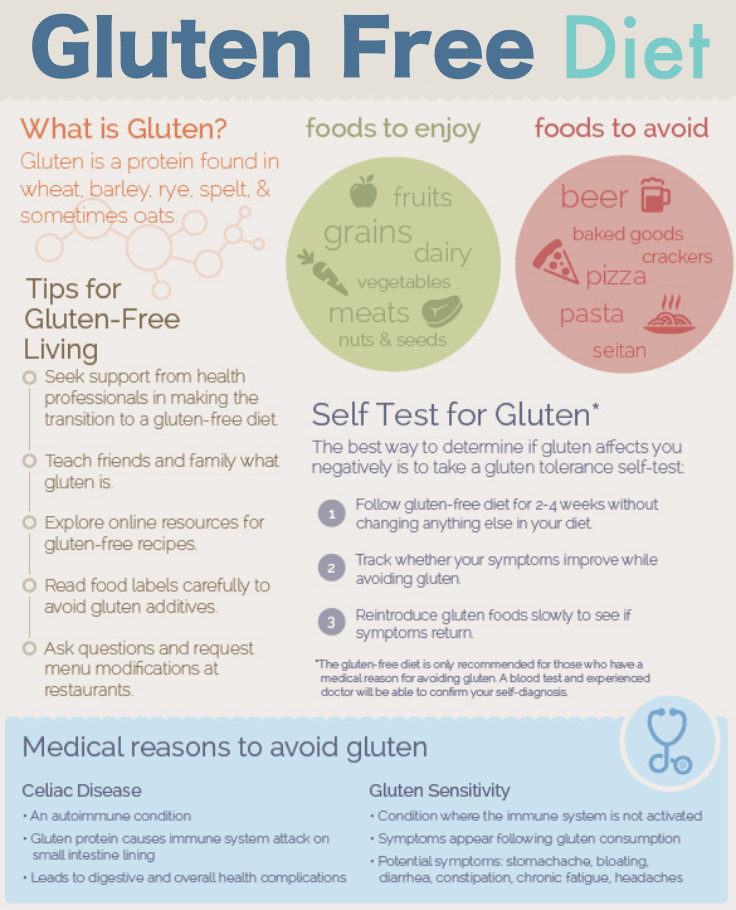
In recent years, the gluten-free diet has become a popular trend among health enthusiasts and people with celiac disease or gluten sensitivity. The diet involves avoiding foods that contain gluten, a protein found in wheat, barley, rye, and other grains. While some people follow this diet as a lifestyle choice or to lose weight, others do it to improve their gut health.
The gut is an essential part of our digestive system that plays a crucial role in our overall health and well-being. It is home to trillions of microorganisms collectively known as the gut microbiota. These microbes aid in digestion, nutrient absorption, immune function regulation, and even mental health.
However, when the balance of these microorganisms is disrupted by factors such as poor dietary choices, stress, medications like antibiotics or steroids or diseases like inflammatory bowel disease (IBD), it can lead to various digestive problems like bloating gas cramps diarrhea etc., which are signs of an unhealthy gut.
Scientists have recently discovered that consuming gluten may contribute to these imbalances and cause damage to the lining of the small intestine leading to inflammation and malabsorption issues. Hence adopting a Gluten-free diet might help restore balance within your microbiome so you can experience better digestive health.
Eliminating Gluten from Your Diet
If you’re considering trying out a gluten-free diet for your gut’s sake then there are several things you need to know before making any changes:
1) Consult with Your Doctor: If you suspect that you have celiac disease or gluten intolerance/sensitivity consult with your doctor first who will perform tests confirm diagnosis. They’ll also guide/monitor how best transition into living without Gluten safely without compromising your body’s nutritional needs.
2) Read Labels Carefully: Avoiding products containing wheat/barley/rye/gluten requires reading labels on everything consumed – including processed foods sauces condiments dressings etc. to ensure that you’re not consuming Gluten accidentally.
3) Be Aware of Cross-contamination: Even trace amounts of gluten can trigger symptoms in people with celiac disease or gluten sensitivity. Hence, it’s essential to be aware of cross-contamination when preparing meals – this means using different utensils and cooking surfaces for gluten-free options, so they don’t come into contact with anything containing gluten.
4) Explore Alternative Foods: There is a range of alternative grains like quinoa, rice, corn, and millet that are naturally Gluten-free and can be substituted for wheat-based products such as pasta or bread.
Benefits of a Gluten-Free Diet on Gut Health
Now let’s explore how adopting a gluten-free diet may benefit your gut health:
1) Reduced Inflammation: Research has shown that eliminating gluten from the diet could reduce inflammation in those with celiac disease or non-celiac gluten sensitivity which benefits overall gut health by reducing discomfort bloating abdominal pain etc.
2) Improved Nutrient Absorption: Damage caused by consuming Gluten may lead to malabsorption issues leading to deficiencies in vitamins/minerals. Going Gluten-free allows healing within the gut lining improving nutrient absorption leading to better overall health outcomes.
3) Increased Diversity in Gut Microbiome: A healthy microbiome should have an array of beneficial bacteria; however too much exposure (or overgrowth) of any specific strain can cause problems. Studies suggest that incorporating more plant-based foods (which are often naturally low-gluten), helps promote diversity within the microbiome and thus improves digestive function as well as immune system function .
4) Better mental well-being : There is emerging research indicating there may be links between the gut-brain axis i.e., communication between our enteric nervous system (gut nerves/brain cells lining our large intestine and colon). One study found improvements in mood after adhering strictly to a 6-month-long strict GF diet compared to those who didn’t.
Conclusion
In conclusion, while some people may choose to adopt a gluten-free diet as a lifestyle or weight loss choice, it can also have significant benefits for your gut health. A gluten-free diet may reduce inflammation, improve nutrient absorption and increase diversity in the gut microbiome thus reducing symptoms such as bloating, cramps & discomfort. As with all dietary changes it is essential to speak with your healthcare provider before making any adjustments to ensure you meet your nutritional needs safely.

Leave a Reply