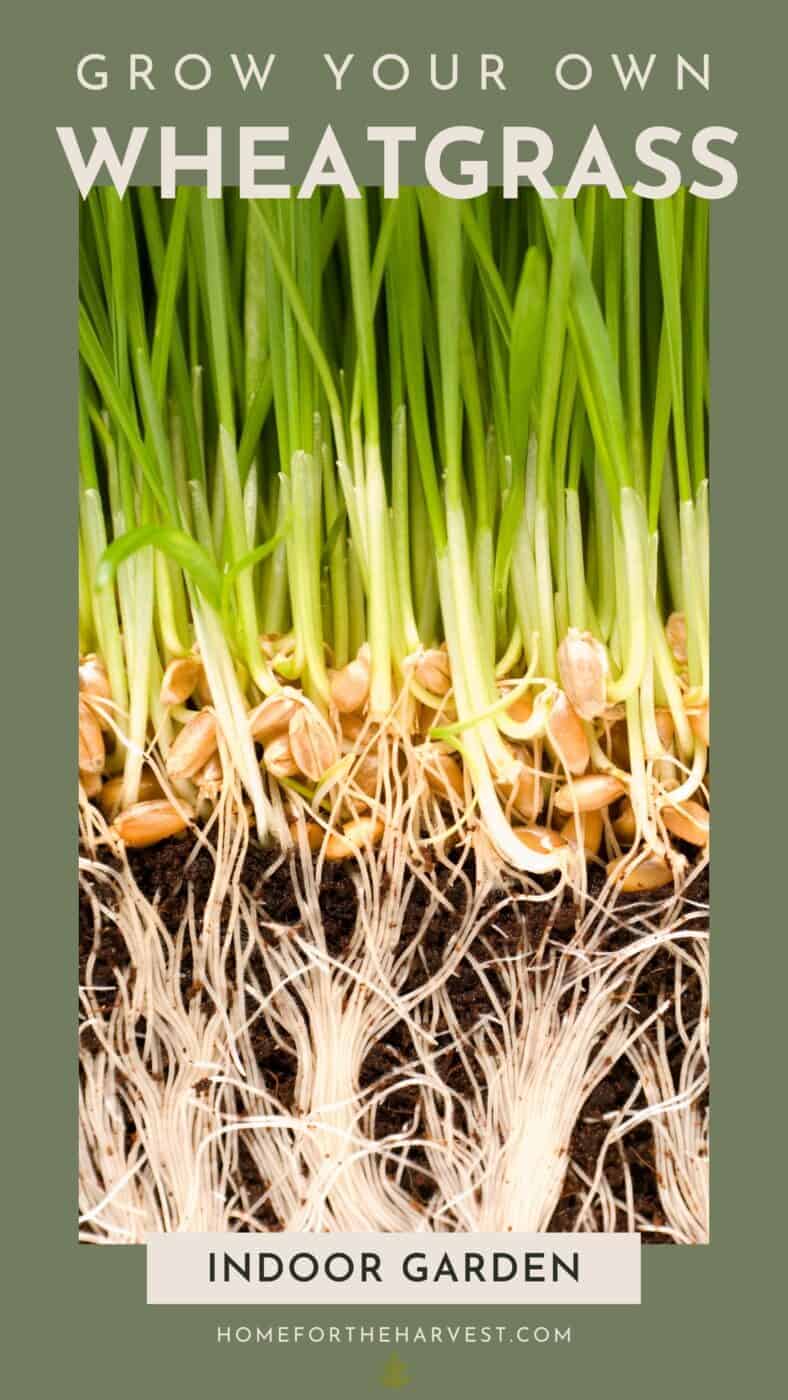
Growing Wheatgrass at Home: A Comprehensive Guide
Wheatgrass is a nutrient-rich food that has been gaining popularity in recent years. It is considered a superfood due to its high content of vitamins, minerals, and antioxidants. Many health enthusiasts grow wheatgrass at home to ensure they have access to fresh and organic produce without having to spend too much money.
If you are new to growing wheatgrass, don’t worry! It’s easy and fun. In this comprehensive guide, we will walk you through the steps of growing wheatgrass at home.
Step 1: Choose Your Seeds
The first step in growing wheatgrass is choosing the right seeds. You can find them online or at your local health food store. Make sure you choose organic seeds that are specifically meant for sprouting or growing wheatgrass.
Step 2: Soak Your Seeds
Once you have your seeds, it’s time to soak them in water for about 8-12 hours. This helps soften the outer layer of the seed and kick-starts germination.
Step 3: Prepare Your Growing Medium
While your seeds are soaking, prepare your growing medium. There are several options available such as soil, coconut coir, peat moss etc., but we recommend using potting soil as it provides all the necessary nutrients for plant growth.
Fill up a tray or container with potting soil leaving about an inch from the top surface (you’ll need that space later). Water thoroughly until it’s moist but not soggy.
Step 4: Sow Your Seeds
After soaking for several hours (as mentioned above), drain out any excess water and spread them evenly on top of the moistened potting soil layer making sure they’re not crowded together – this will allow each seedling enough space to grow without competing with its neighbor!
Once done sowing; cover your seeds gently by sprinkling some more potting soil over them until you have about 1/8 inch of soil covering the seeds.
Step 5: Water and Cover
Water your newly sown wheatgrass seeds gently but thoroughly. Then cover the container with a lid or plastic wrap to prevent moisture from escaping, while still allowing air circulation.
Step 6: Keep Your Wheatgrass Seeds Warm
Place your covered container in a warm place with indirect sunlight (preferably around 70-75°F). You can use a heating pad if you live in colder regions to maintain an ideal temperature for germination. Avoid exposing them directly to sunlight as this may dry out the soil and damage delicate seedlings.
Step 7: Uncover When Seedlings Appear
After three days, check on your seeds by lifting the lid or plastic wrap. Once you see tiny sprouts emerging from the soil surface, it’s time to uncover them completely and move them into direct sunlight – just make sure not to expose them too much!
Step 8: Water Regularly
Wheatgrass requires consistent hydration throughout its growth cycle. Make sure that you water it regularly so that the soil remains moist at all times! Check daily for signs of wilting, which indicates insufficient watering.
Step 9: Harvesting Your Wheatgrass
Around day seven after sowing, you should see an abundance of lush green leaves growing upwards. At this stage; they’re ready for harvest! Cut off wheatgrass blades using scissors or shears leaving about an inch above ground level – This will allow new shoots to grow again without damaging any roots underneath.
Tips:
● Be patient – It takes around seven days for wheatgrass to reach maturity.
● Don’t overcrowd – Make sure there is enough space between each seedling.
● Use good quality organic potting soil.
● Store unused seeds in an airtight container away from light and heat.
● To enhance flavor, add freshly squeezed lemon juice before consumption.
In conclusion, growing wheatgrass at home is an easy and rewarding process that requires minimal effort. With a little patience, you can have your own fresh supply of nutrient-rich superfood right in your backyard or kitchen windowsill!

Leave a Reply