Anti-inflammatory Properties: An Interview with a Nutrition Expert
Inflammation is the body’s natural response to injury, infection, or any kind of damage. Inflammation is essential for healing and repair but when it becomes chronic, it can lead to various health problems such as heart disease, diabetes, cancer, arthritis and autoimmune diseases. Therefore, it is important to follow an anti-inflammatory diet that helps reduce inflammation in the body.
To learn more about anti-inflammatory properties and how they can benefit our health, we spoke with a nutrition expert. Here is what she had to say:
Q: What exactly are anti-inflammatory properties?
A: Anti-inflammatory properties are natural compounds found in certain foods that help reduce inflammation in the body. These compounds include antioxidants like vitamin C and E, flavonoids like quercetin and catechins, omega-3 fatty acids and phytonutrients like curcumin found in turmeric.
Q: How do these properties work?
A: When we eat foods containing these nutrients regularly over time they accumulate and start working within our bodies by reducing oxidative stress which leads to inflammation. Oxidative stress occurs when there’s an imbalance between free radical production (unstable molecules) caused by environmental toxins such as pollution or radiation exposure; poor dietary choices; lifestyle factors such as smoking or alcohol consumption; or just everyday aging processes versus antioxidant defenses (our own internal antioxidants plus those derived from food) designed to neutralize them.
Q: What foods are high in anti-inflammatory properties?
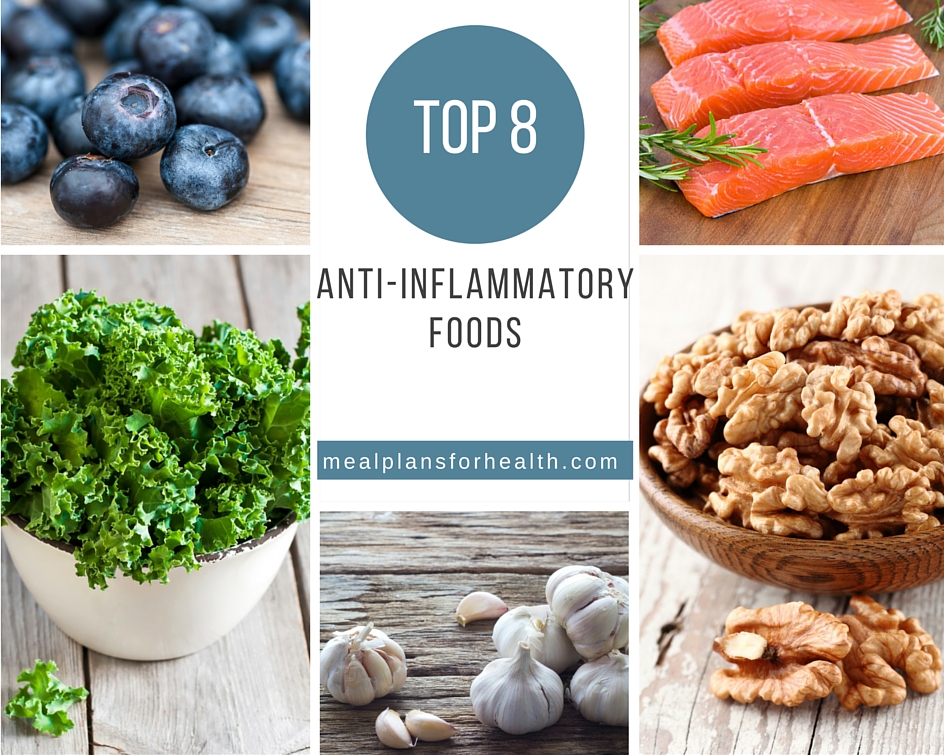
A: Foods that are known for their anti-inflammatory properties include fruits such as berries (blueberries & strawberries), citrus fruits (oranges & lemons), vegetables including dark leafy greens like kale & spinach but also cruciferous veggies such as broccoli & cauliflower along with onions/garlic/ginger/turmeric/sage/thyme/rosemary/cinnamon/cloves/nutmeg/chili peppers; nuts and seeds (walnuts, almonds, chia seeds & flaxseeds); fatty fish like salmon, sardines and mackerel; whole grains like quinoa or brown rice.
Q: How can an anti-inflammatory diet benefit our health?
A: Following an anti-inflammatory diet can help reduce inflammation in the body which has been linked to the development of many chronic diseases including cancer, heart disease, diabetes and Alzheimer’s. It may also improve symptoms of autoimmune conditions such as lupus or rheumatoid arthritis by decreasing joint pain/stiffness/swelling. Additionally, this type of eating plan may assist with weight loss as it emphasizes nutrient-dense foods versus highly processed choices that are high in calories but low in nutrients.
Q: Are there any downsides to an anti-inflammatory diet?
A: One potential downside is that some people find it difficult to follow due to its emphasis on whole foods over packaged/processed choices. It may take more time for meal preparation and planning which could be challenging for busy individuals who might prefer quick options. People who have existing allergies/sensitivities or digestive issues may need to avoid certain foods that contain these naturally occurring compounds if they experience adverse reactions when consuming them.
Q: Any final thoughts about incorporating an anti-inflammatory diet into your lifestyle?
A: When making changes to your eating habits it’s important not just focus on one aspect – such as adding more fruits & veggies – but rather look at the big picture of what you’re putting into your body overall so that you can make informed decisions based on how different foods impact you personally. Also remember that nutrition is only one piece of a healthy lifestyle puzzle! Regular exercise along with good sleep hygiene practices are equally important when reducing inflammation levels within our bodies as well!
In conclusion, following an anti-inflammatory diet rich in fruits, vegetables, nuts/seeds/fatty fish/whole grains is essential for reducing chronic inflammation which can lead to many chronic diseases. While it may take some getting used to, the benefits of this type of eating plan are certainly worth the effort!

Leave a Reply