Intermittent Fasting and Reducing Food Waste at Home
Intermittent fasting is a popular trend among those who are looking to lose weight or improve their overall health. But did you know that it can also help reduce food waste at home? By being mindful of what we eat and when we eat it, we can make a big impact on the amount of food that ends up in the trash.
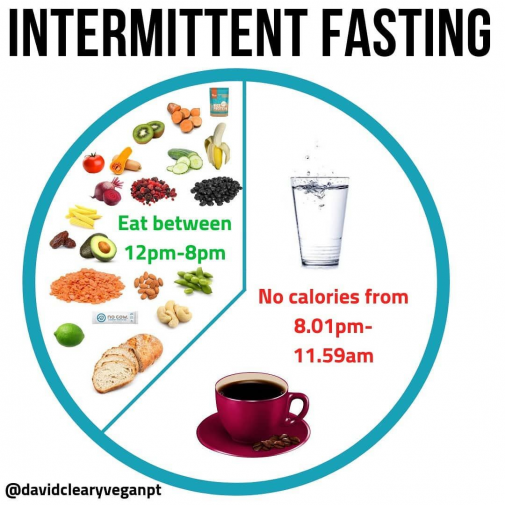
So how does intermittent fasting work, exactly? There are several different methods, but the basic idea is to restrict your eating to certain hours of the day or certain days of the week. For example, you might choose to only eat during an 8-hour window each day (such as from 11 am to 7 pm), or you might fast for one or two full days per week.
The benefits of intermittent fasting go beyond just weight loss – studies have shown that it can also improve insulin sensitivity, lower inflammation in the body, and even increase lifespan in some cases. But one benefit that isn’t often discussed is its potential for reducing food waste.
When you’re only eating during certain hours of the day, you naturally become more aware of what you’re putting into your body. You tend to focus on nutrient-dense foods rather than mindlessly snacking throughout the day. And because you’re not constantly thinking about food, you may find yourself wasting less overall.
But there are other ways that intermittent fasting can help reduce food waste as well. Here are a few tips:
1. Plan your meals carefully
When you know exactly when and what you’ll be eating each day, it’s easier to plan out your meals ahead of time. This means buying only what you need at the grocery store (and avoiding those impulse buys), using up leftovers before they go bad, and making sure everything gets eaten before its expiration date.
2. Save scraps for later
If you’re doing any cooking while fasting (which you should be, to make sure you’re getting all the nutrients you need), save any vegetable scraps or bones for making broth later on. Not only does this reduce waste, but it also gives you a nutrient-rich base for soups and stews.
3. Get creative with leftovers
When you’re only eating during certain hours of the day, it’s important to make your meals count. But that doesn’t mean you have to eat the same thing over and over again. Get creative with your leftovers – turn them into new dishes by adding different spices or sauces, or simply mix them up in a big salad.
4. Freeze what you can’t use
If you find yourself with more food than you can possibly eat before it goes bad, don’t panic – just freeze it! Most foods can be frozen for later use (just be sure to label everything clearly so nothing gets forgotten).
Of course, intermittent fasting isn’t the only way to reduce food waste at home. Here are a few other tips:
1. Buy in bulk
Buying in bulk is not only cost-effective, but it also reduces packaging waste (since larger containers typically use less plastic or cardboard per unit of product). Just make sure that whatever you buy will get used up before its expiration date.
2. Use up what’s already in your pantry
Before heading out to the grocery store, take stock of what’s already in your pantry and fridge. Try to plan meals around what needs to be used up first – this will not only help reduce waste, but also save money on groceries.
3. Store produce properly
Different types of produce require different storage methods – some need to be kept cold (like berries), while others shouldn’t be refrigerated at all (like tomatoes). Make sure that everything is stored properly so that it stays fresh as long as possible.
4. Compost!
Even if you do everything right, there may still be some food waste that can’t be avoided. But instead of throwing it in the trash, consider composting it instead. Compost makes a great fertilizer for your garden or houseplants, and helps reduce methane emissions from landfills.
In conclusion, intermittent fasting is a powerful tool for improving your health – but it can also help reduce food waste at home. By being mindful of what we eat and when we eat it, we can make a big impact on the amount of food that ends up in the trash. So give it a try – not only will you feel better physically, but you’ll also be doing your part to save the planet!

Leave a Reply