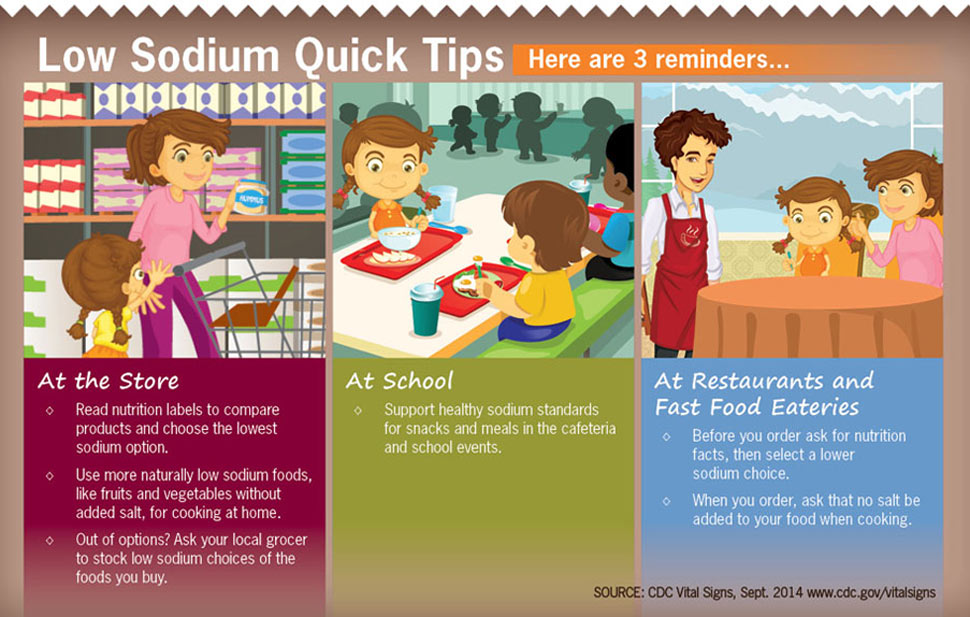
Low-Sodium Cooking Tips: How to Cut Back on Salt Without Sacrificing Flavor
Salt is an essential ingredient in cooking, but consuming too much of it can be harmful to our health. According to the American Heart Association, the average American consumes 3,400 milligrams of sodium per day, which is more than double the recommended daily intake of 1,500 milligrams for most adults. Excess sodium in our diet can lead to high blood pressure and other cardiovascular diseases.
Fortunately, there are ways to cut back on salt without sacrificing flavor. Here are some low-sodium cooking tips that you can use in your everyday meals:
1. Use herbs and spices instead of salt
Herbs and spices add flavor and aroma to dishes without adding sodium. For example, instead of sprinkling salt over roasted vegetables, try tossing them with a mixture of olive oil, garlic powder, dried basil or thyme before roasting them in the oven.
Fresh herbs like parsley, cilantro or mint also work well as garnishes for soups and salads. Spices like cumin or turmeric can add a warm earthy flavor to stews or curries.
2. Make your own seasoning blends
Instead of buying pre-made seasoning blends that often contain high amounts of salt, make your own at home using herbs and spices that you already have in your pantry.
For example, mix together equal parts paprika, garlic powder and onion powder for a smoky rub that works well on grilled meats or roasted vegetables. Or combine cumin, coriander and chili powder for a spicy taco seasoning mix.
3. Experiment with different vinegars
Vinegar adds acidity to dishes without adding salt. Try using different types of vinegar like balsamic vinegar or apple cider vinegar in salad dressings or marinades.
For example, whisk together 2 tablespoons balsamic vinegar with 1 tablespoon Dijon mustard and 1 tablespoon honey for a sweet and tangy dressing that works well on mixed greens or roasted beets.
4. Use citrus juice to add flavor
Citrus fruits like lemon, lime and orange are great sources of acidity and can help brighten up dishes without the need for salt.
For example, squeeze fresh lemon juice over baked fish or drizzle it over steamed vegetables. Or mix together equal parts lime juice and olive oil for a zesty marinade that works well on chicken or shrimp.
5. Choose low-sodium ingredients
When shopping for groceries, look for low-sodium versions of your favorite ingredients like canned beans, tomato sauce or broth. Be sure to read labels carefully as some products that claim to be “low sodium” may still contain high amounts of salt.
6. Rinse canned foods before using them
If you can’t find low-sodium versions of canned foods like beans or vegetables, rinse them with water before using them in recipes to remove some of the excess sodium.
7. Cook from scratch
Cooking from scratch allows you to control the amount of salt that goes into your dishes. When making soups, stews or sauces at home, use less salt than what is called for in the recipe and adjust seasoning as needed.
8. Don’t forget about umami flavors
Umami is known as the fifth taste after sweet, sour, salty and bitter. Umami-rich foods like mushrooms, Parmesan cheese and soy sauce can add depth of flavor to dishes without adding extra salt.
For example, sauté mushrooms with garlic and thyme before adding them to pasta dishes or stir-fries. Or sprinkle grated Parmesan cheese over roasted vegetables instead of adding more salt.
9. Use alternative salts sparingly
Some alternative salts like sea salt or Himalayan pink salt are marketed as healthier options than table salt because they contain trace minerals not found in regular table salt. However, they still contain sodium and should be used sparingly.
10. Be patient
Our taste buds can adapt to lower levels of salt over time. It may take a few weeks or months for your palate to adjust, but eventually you’ll find that foods with less salt taste just as good as those with more.
In conclusion, cutting back on salt doesn’t mean sacrificing flavor in your meals. By using herbs and spices, making your own seasoning blends and choosing low-sodium ingredients, you can create delicious dishes that are also heart-healthy.

Leave a Reply