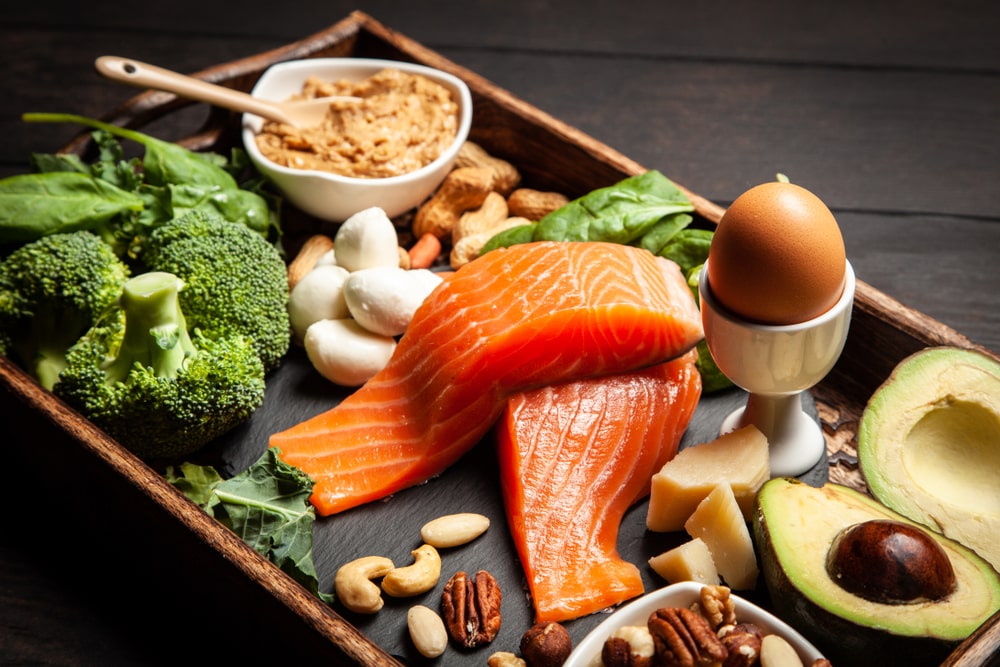
Keto diet is a low-carb, high-fat diet that has been gaining popularity in recent years. The goal of the diet is to put your body into a state of ketosis, where it burns fat for fuel instead of carbohydrates. This process can lead to weight loss and other health benefits such as improved blood sugar control.
If you are considering starting a Keto diet, here are ten things you should know:
1. What You Can Eat
On the Keto diet, your main focus will be on consuming healthy fats such as avocado, nuts and seeds, olive oil and coconut oil. You’ll also want to eat moderate amounts of protein from sources like grass-fed beef, chicken and fish. Low-carb vegetables like spinach, broccoli and cauliflower are also encouraged.
2. What You Should Avoid
To enter ketosis successfully, you must limit your carb intake to 20-50 grams per day or less depending on individual needs. Therefore certain foods that are high in carbs should be avoided completely including grains (wheat), processed foods (chips) sugary snacks (candy bars).
3. How It Works
The idea behind keto diets is that by limiting carbohydrate consumption the body begins burning stored fat instead of glucose for energy output which leads to a reduction in overall fat stores around the body.
4. Health Benefits
Studies have shown that following a keto diet may help with weight loss and improve blood sugar levels; it could even reduce inflammation throughout the body by lowering oxidative stress which enhances brain function too.
5. Potential Side Effects
Like any new dietary plan or lifestyle change some people may experience side effects when starting out on keto due to changes in metabolism such as headaches or fatigue during exercise sessions however these symptoms typically subside within days after following correct guidelines provided by healthcare professionals.
6. Importance Of Hydration
It’s essential to drink lots of water while on this type of eating plan because dehydration can cause a lot of negative side effects including headaches, dizziness, and fatigue. Drinking plenty of fluids can also help regulate digestion and appetite.
7. Meal Planning
Meal planning is crucial when starting the keto diet because it’s easy to fall back into old habits if you don’t have a plan in place. There are many resources available such as online meal plans or nutritionists who can assist with developing the best plan for your individual needs.
8. Supplements
Some supplements may be useful while on this type of eating plan such as electrolytes like magnesium and potassium which can help maintain energy levels throughout the day by preventing muscle cramps; omega-3 fatty acids found in fish oil capsules that are beneficial for brain health too.
9. Possible Challenges
One potential challenge is finding foods that fit within your daily carb limit while still providing enough nutrients to fuel your body adequately; another issue could be dealing with social situations where unhealthy food choices are typically present like family gatherings or holidays.
10. Long-Term Sustainability
The keto diet may not be suitable long-term for everyone due to its restrictive nature however it has been shown effective short term (up to 6 months) in helping people lose weight quickly without feeling hungry all the time making it easier to sustain over longer periods through gradual reintroduction of some healthy carbs into your diet once you’ve reached your weight-loss goals.
Overall, there are many benefits associated with following a Keto diet including weight loss, better blood sugar control, improved brain function among others but before embarking on any new dietary changes speak with a healthcare professional first especially if you have pre-existing health conditions or concerns about nutrient deficiencies that may arise during this change in lifestyle habits so they can provide guidance tailored specifically towards meeting individual needs safely and effectively!

Leave a Reply