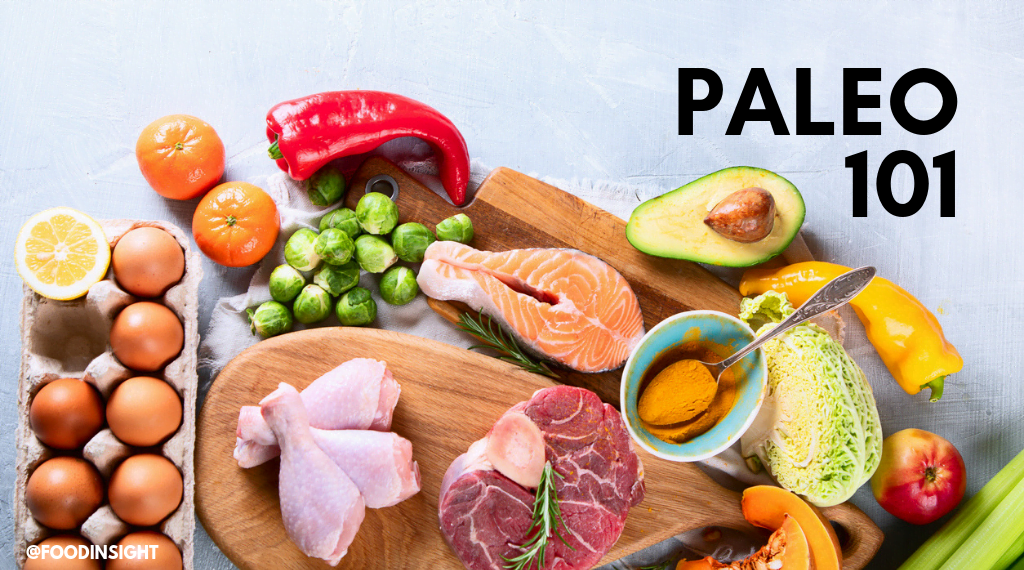
The paleo diet has become increasingly popular in recent years, with proponents claiming it can lead to improved gut health. But what exactly is the paleo diet, and how does it benefit our digestive system?
The paleo diet is based on the idea of eating like our ancestors did during the Paleolithic era, which dates back around 2.5 million years ago. The theory behind this way of eating is that humans have not evolved to process certain foods that have been introduced since then, such as processed grains and sugars.
Instead, a paleo diet focuses on whole foods such as meat, fish, fruits and vegetables – basically anything that could be hunted or gathered. This means cutting out processed foods, dairy products and grains such as wheat.
So how does this help our gut health? One of the main benefits of a paleo diet is that it eliminates many common food allergens and irritants. For example, gluten – found in wheat – can cause inflammation in some people’s guts even if they don’t have celiac disease.
By removing these potential triggers from your diet, you may find that your gut feels less irritated overall.
Another benefit of a paleo-style approach to eating is its focus on nutrient-dense whole foods. Foods like leafy greens are packed full of vitamins and minerals essential for good health – including good gut health.
Research suggests that diets high in fiber from fresh fruits and vegetables can promote healthy digestion by feeding beneficial bacteria in the gut. These microbes play an important role in maintaining a healthy immune system and preventing disease.
But while there are certainly benefits to adopting a more whole-foods-based approach to eating like the one advocated by the paleo movement; there are also some concerns about cutting out entire food groups altogether.
For example: eliminating all grains from your diet could mean missing out on important nutrients like folate; which naturally occurs in fortified cereals or breads made with enriched flour.
Similarly, cutting out dairy could lead to a deficiency in calcium and vitamin D. These nutrients are essential for healthy bones as well as other aspects of our health.
In conclusion, while there is some evidence to suggest that a paleo-style diet can be beneficial for gut health; it’s important to approach any dietary change with caution.
Rather than eliminating entire food groups altogether, consider adopting a more balanced approach that incorporates plenty of whole foods – including fruits and vegetables – into your diet. And if you do decide to try the paleo diet, make sure you’re still getting all the nutrients your body needs from other sources.
Ultimately, good gut health relies on much more than just what we eat. Other factors such as stress levels; sleep patterns and regular exercise also play an important role in promoting overall digestive health.
So while adopting a paleo-style way of eating may have its benefits when it comes to gut health; it’s only one piece of the puzzle when it comes to optimizing our digestion and overall wellness.

Leave a Reply