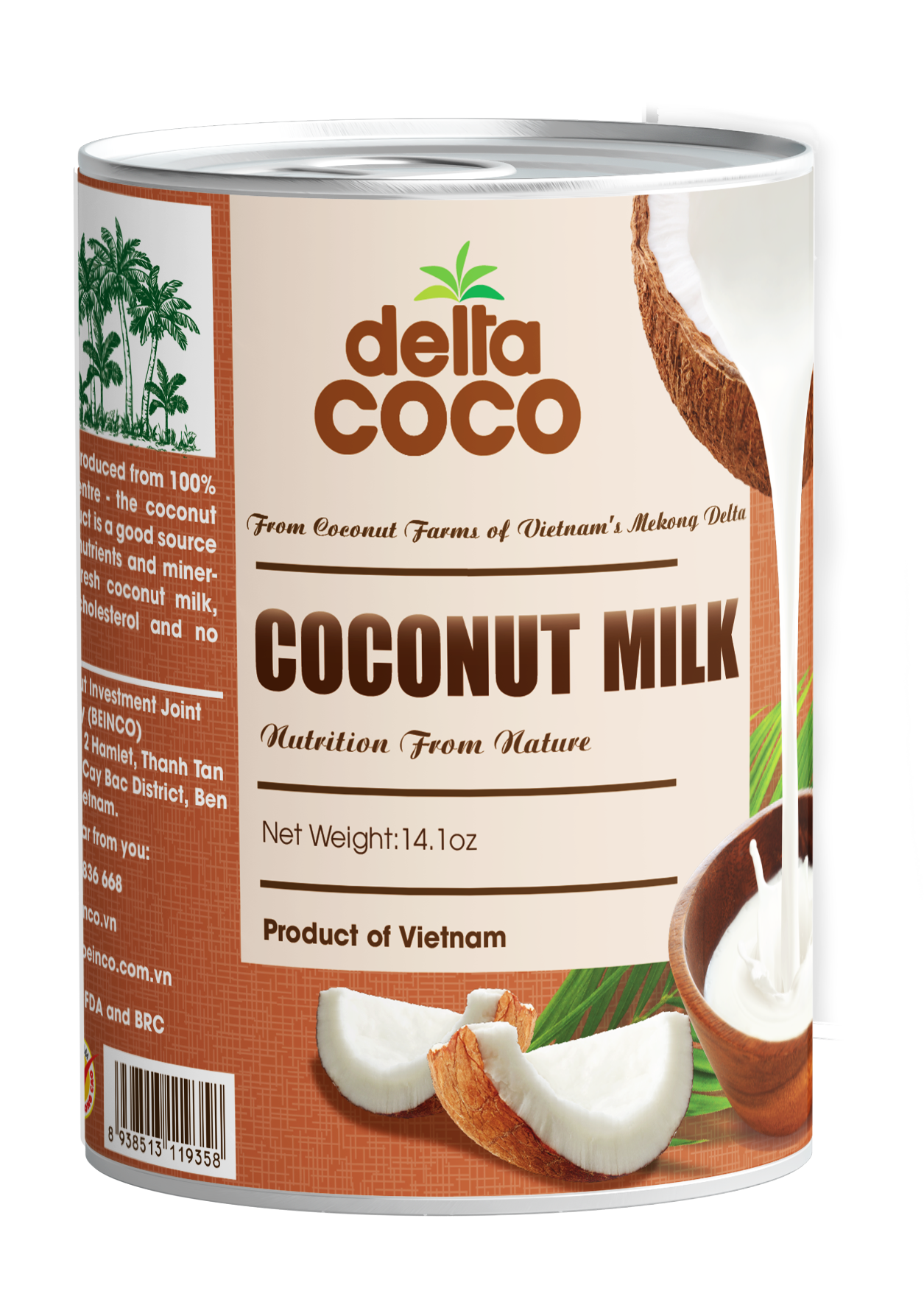
Coconut milk is a staple ingredient in many cuisines around the world, especially in Southeast Asia and the Caribbean. It’s used to add flavor and creaminess to dishes such as curries, smoothies, soups, and desserts. However, there are two types of coconut milk available on the market: canned and fresh. In this post, we’ll explore the key differences between these two types of coconut milk.
Canned Coconut Milk:
Canned coconut milk is made by blending grated coconut meat with water and then straining it through a cheesecloth or fine mesh sieve to extract the liquid. The resulting liquid is then heated to sterilize it before being poured into cans for storage. Canned coconut milk has a thick consistency due to its high fat content (usually about 20-22%). This makes it ideal for cooking savory dishes that require a creamy texture.
Fresh Coconut Milk:
Fresh coconut milk is made by grating fresh mature coconuts and extracting their liquid using either a blender or manual press. Unlike canned coconut milk which contains preservatives and stabilizers, fresh coconut milk doesn’t have any additives making it healthier than canned options. Freshly made coconut milk has an earthy flavor that’s slightly sweet but not overly rich like canned version because they contain less fat (around 5-7%).
Nutritional Differences:
When it comes to nutritional value, both canned and fresh coconut milks are rich in antioxidants, vitamins E & C as well as minerals such as magnesium & potassium; however there are some differences between them too. Since fresh coconuts used for making homemade versions contain less fat than those used for making commercial ones thereby reducing their calorie count significantly when compared against each other.
Cooking Applications:
Both kinds of coconut milks can be used interchangeably in most recipes depending on your taste preference but different applications may call for one over another more often than not.
Canned varieties tend to be popular in savory dishes since they are thicker and creamier. Fresh coconut milk, on the other hand, is a better choice for desserts and sweet recipes due to its lighter consistency.
Storage:
Canned coconut milk can be stored at room temperature as long as it’s unopened; however once opened it needs to be transferred into a clean container and refrigerated for up to 5 days. Fresh coconut milk spoils faster than canned versions because of their absence of preservatives and stabilizers – They should therefore be used within 2-3 days or frozen until needed.
In conclusion, both canned and fresh coconut milks have their own unique qualities that make them suitable for different cooking applications. While canned varieties offer the convenience of being readily available year-round with longer shelf life, homemade fresh versions provide an all-natural alternative that’s healthier but require more time & effort to prepare. Ultimately, it’s up to you which type you prefer based on your taste preferences and specific recipe requirements.

Leave a Reply