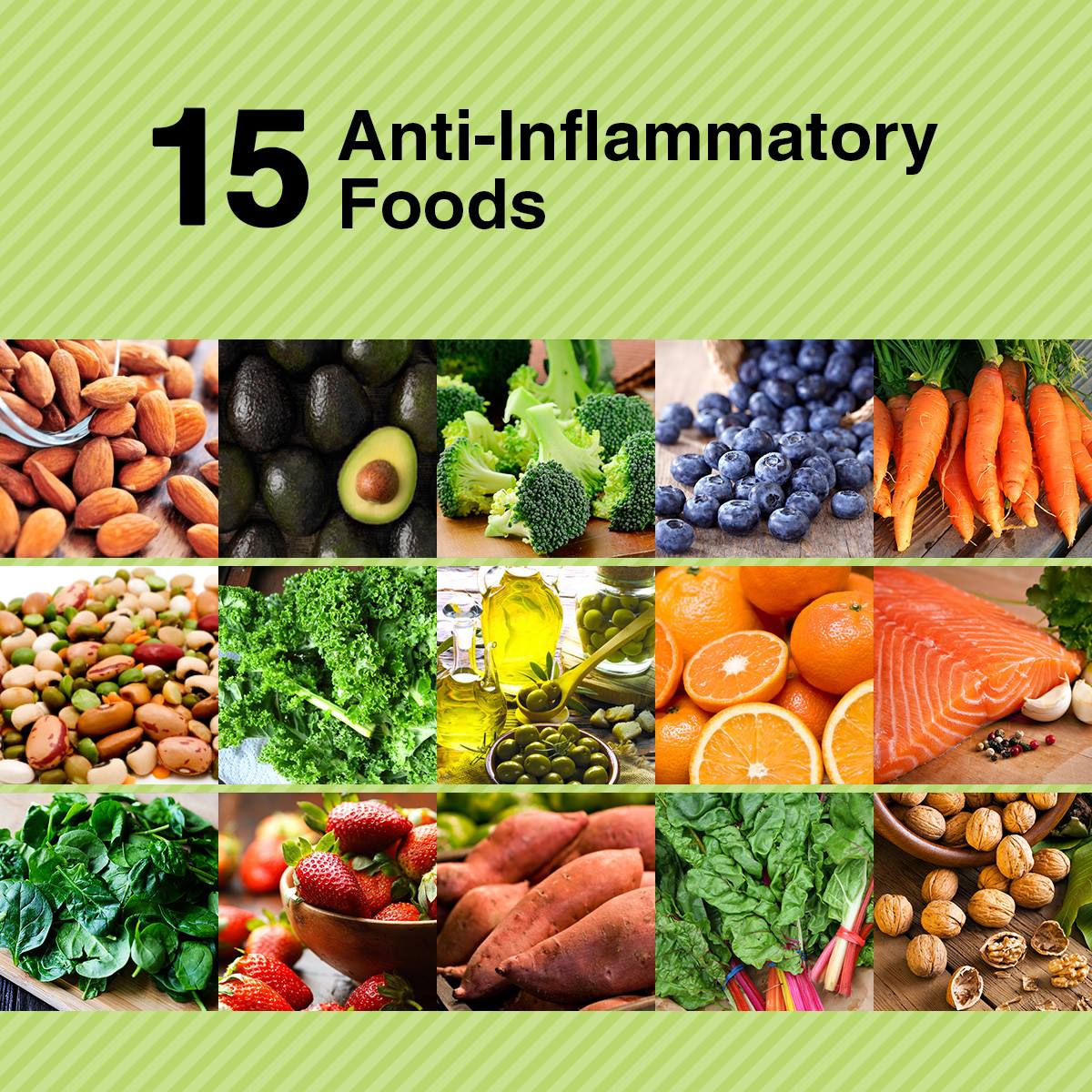
As we age, the risk of developing chronic diseases and inflammatory conditions increases. While medications are available to manage these conditions, a more natural approach involves incorporating anti-inflammatory foods into one’s diet.
Anti-inflammatory diets have become increasingly popular in recent years due to their potential health benefits. These diets aim to reduce inflammation throughout the body by including foods that contain anti-inflammatory properties.
So what exactly is inflammation? Inflammation is a natural response of the immune system when it detects harmful stimuli such as toxins or infections. However, chronic inflammation can lead to several health problems like heart disease and arthritis.
Fortunately, research has shown that certain foods can help reduce inflammation and provide several other health benefits. Here are some examples of anti-inflammatory foods:
1. Fruits and Vegetables: Fruits and vegetables are rich in antioxidants which help prevent damage caused by free radicals in the body that promote inflammation. Berries, leafy greens, tomatoes, bell peppers are excellent sources of antioxidants.
2. Whole Grains: Whole grains like brown rice, quinoa, buckwheat contain fiber which helps promote gut health and decrease systemic inflammation.
3. Healthy Fats: Omega-3 fatty acids found in salmon, mackerel or chia seeds have been shown to reduce inflammation levels throughout the body.
4. Spices: Turmeric contains curcumin which has potent anti-inflammatory effects while ginger contains compounds known as gingerols that also have similar effects on reducing inflammation levels.
5. Nuts & Seeds: These contain healthy fats (like omega-3s) as well as magnesium – an essential mineral for optimal brain function with some studies showing it may aid anxiety disorders
While incorporating these foods into your diet will help promote overall wellness by preventing chronic illness and promoting good gut bacteria balance; there are some things you should avoid too!
Processed Foods
Foods high in sugar (which promotes insulin resistance)
Trans fats from partially hydrogenated oils
Refined carbohydrates such as white bread and pasta
It’s important to remember that an anti-inflammatory diet is not a cure-all for chronic conditions. However, it can help reduce inflammation levels throughout the body which may lead to improved overall health.
If you are considering an anti-inflammatory diet, there are many resources available online and through your healthcare provider which can provide guidance on how to incorporate these foods into your daily routine. Additionally, if you experience any adverse reactions or have concerns about dietary changes, speak with your doctor before making any lifestyle changes.
Overall the benefits of adding more fruits, vegetables and healthy fats into one’s diet outweighs the negative effects of eating processed foods high in sugar or trans-fat from partially hydrogenated oils; making this type of dietary change worth pursuing!

Leave a Reply