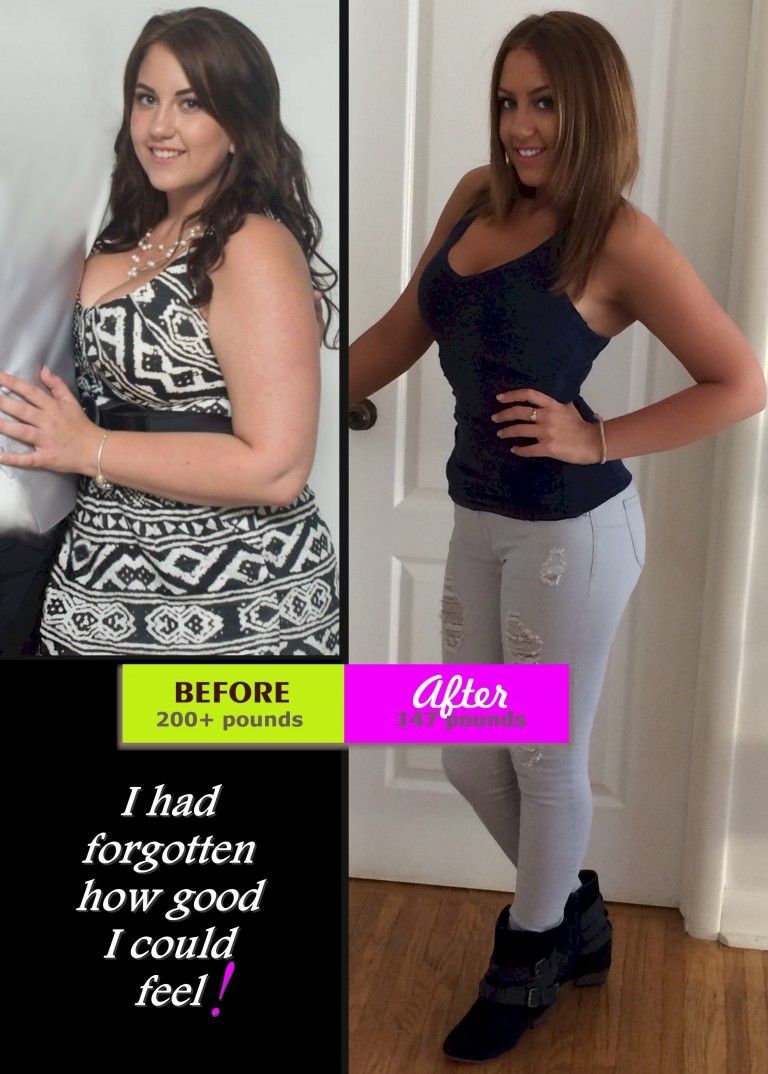
Are you looking for an effective way to lose weight? The answer may be simpler than you think. A low-fat diet can help you shed those extra pounds and improve your overall health.
What is a low-fat diet?
A low-fat diet is exactly what it sounds like – a way of eating that emphasizes foods that are lower in fat. This doesn’t mean eliminating all fats from your diet, but rather reducing the amount of high-fat foods you consume.
Why choose a low-fat diet?
There are many reasons why choosing a low-fat diet can be beneficial for weight loss:
1. Reduced calorie intake
Foods high in fat tend to be higher in calories as well. By reducing the amount of fat in your diet, you automatically reduce your calorie intake, making it easier to lose weight.
2. Increased satiety
Eating foods that are high in fiber or protein can increase feelings of fullness and satisfaction after meals. Many low-fat foods, such as fruits, vegetables, whole grains, and lean proteins, are naturally high in these nutrients.
3. Improved heart health
A diet high in saturated and trans fats can increase cholesterol levels and raise the risk of heart disease. Choosing a low-fat diet can help reduce this risk by improving lipid profiles and decreasing blood pressure.
4. Lowered cancer risk
Research has shown that diets rich in fruits, vegetables, whole grains, legumes (like beans), and lean proteins may decrease the risk of certain types of cancer including breast cancer.
5. Better digestion
Foods that are high in fat take longer to digest than other types of food which may lead to gastrointestinal problems such as bloating or constipation if consumed too frequently or excessively.
How do I follow a low-fat diet?
Following a low-fat lifestyle isn’t about deprivation or elimination; it’s about making healthy choices every day:
1. Choose plant-based proteins: Legumes like lentils or chickpeas, whole grains like quinoa or brown rice, and soy products like tofu are all excellent sources of protein without the added fat.
2. Eat plenty of fruits and vegetables: These foods are low in calories and high in fiber which will help you feel full for longer periods of time.
3. Opt for lean meats: When you do choose to eat meat, go for the leanest cuts possible such as chicken breast or fish.
4. Limit high-fat foods: Foods that should be eaten sparingly include butter, cheese, cream-based sauces or soups, fried foods like french fries or chicken wings.
5. Read labels carefully: Be sure to check the nutrition information on packaged foods to identify those high in saturated fats (like palm oil) or trans fats (often listed as hydrogenated oils).
6. Cook at home more often: Preparing meals at home allows you to control what goes into your food and can help cut down on unwanted fats.
In conclusion
A low-fat diet can be a powerful tool for weight loss while improving overall health outcomes. By incorporating more plant-based proteins, fruits and veggies into your diet while limiting high-fat foods you’ll be well on your way to losing weight safely and effectively. Remember it’s not about elimination but making smart choices every day towards a healthier lifestyle!

Leave a Reply