Organic Foods: A Healthy Choice for You and the Environment
Organic foods have become increasingly popular in recent years, as more people are becoming aware of the benefits they offer. Organic foods are grown without the use of synthetic pesticides, fertilizers, or genetically modified organisms (GMOs). They are also free from artificial additives and preservatives. In this article, we’ll explore why organic food is a healthy choice for both you and the environment.
Health Benefits
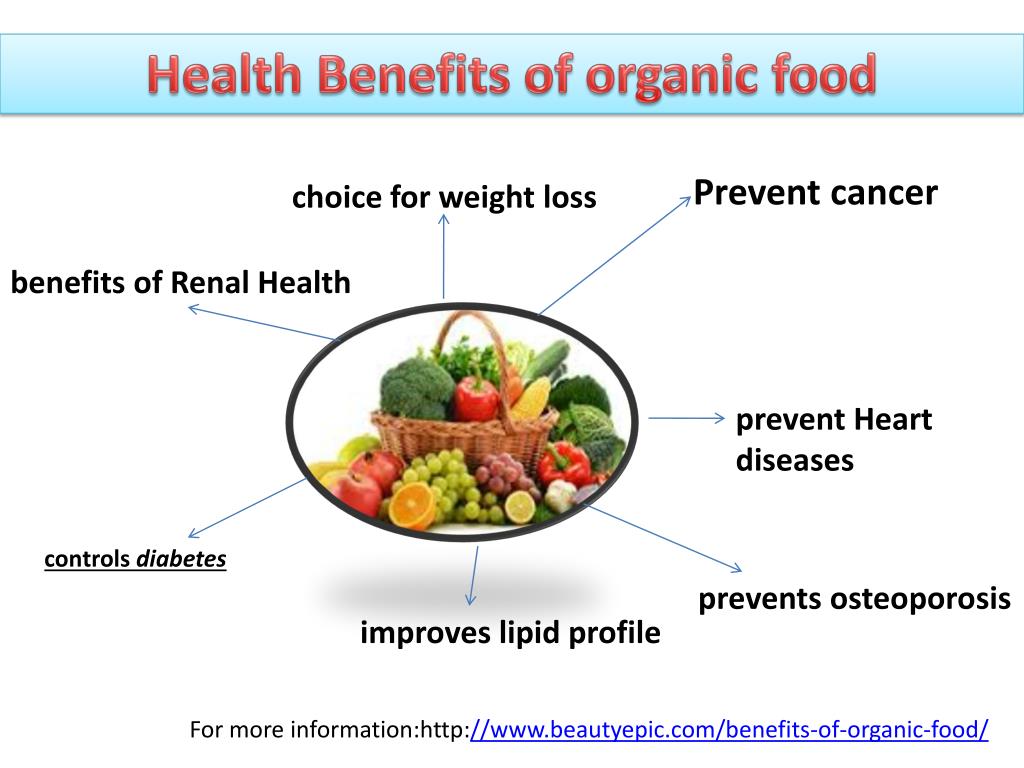
One of the most significant benefits of choosing organic food is that it is healthier for you. Studies have shown that organic fruits and vegetables contain higher levels of vitamins, minerals, and antioxidants than conventionally grown produce. This is because organic farming practices promote soil health and fertility through natural methods such as crop rotation, composting, and cover cropping.
Organic meat and dairy products are also healthier options because they come from animals that have not been fed antibiotics or growth hormones. These chemicals can be harmful to humans if consumed in large quantities over time.
Choosing organic food can also reduce your exposure to harmful chemicals like glyphosate – an herbicide used in conventional agriculture that has been linked to cancer by some studies – which makes it safer for you to eat.
Environmental Benefits
The environmental benefits of choosing organic food cannot be overstated. Organic farming practices protect soil health by promoting biodiversity through crop rotation and companion planting techniques; this helps prevent soil erosion while keeping nutrients in balance so plants grow strong roots systems capable of absorbing water efficiently during drought conditions.
Conventional agriculture relies heavily on synthetic pesticides which not only harm beneficial insects but also contaminate waterways with runoff after heavy rainfall events when fields may flood due to poor drainage infrastructure exacerbating nutrient leaching problems affecting local watersheds downstream from agricultural areas where many cities derive their drinking water supplies putting human health at risk.
In contrast Farming organically means farmers rely on natural pest control methods such as introducing beneficial insects, birds, and animals to eat harmful pests that can destroy crops. This method not only makes the environment safer but also helps maintain a balanced ecosystem.
Organic farming also reduces greenhouse gas emissions by using fewer fossil fuels for transportation of inputs such as fertilizers and pesticides while reducing energy usage through crop rotation practices that promote soil health, which in turn sequesters carbon dioxide from the atmosphere into plant material.
Supporting Local Farmers
Choosing organic food not only benefits your health and the environment but it also supports local farmers who grow these foods. Many small-scale organic farmers practice sustainable agriculture techniques that help them produce healthy food without damaging their land or surrounding ecosystems. By buying locally sourced organic products consumers are supporting their community’s economy while ensuring they have access to fresh fruits, vegetables, meats, and dairy products grown with respect for nature’s bounty.
Cost Considerations
One common misconception about organic food is that it is more expensive than conventional food; however, this is often not true when you factor in all the costs associated with conventional agriculture like synthetic pesticide use leading to environmental degradation requiring costly clean-up efforts paid for by taxpayers alongside long-term human health impacts affecting our healthcare system over time due to exposure risks associated with chronic diseases linked to pesticide residues on food. Organic farming practices may require more labor-intensive cultivation methods but have been shown to be just as profitable as traditional farming techniques even on smaller farms.
Tips for Choosing Organic Foods
When shopping for organic foods make sure you read labels carefully – look out for terms like “100% certified organic” or “USDA Organic” which ensures no synthetic pesticides were used during production of those products. Avoid processed foods containing artificial additives or preservatives made from GMO ingredients if possible because they are less likely to be produced organically given current supply chain limitations around non-GMO feedstock sourcing requirements impacting product quality overall.
Another good tip when choosing organic produce is looking at seasonal availability – many fruits and vegetables are more affordable during peak harvest times, which means you can get quality organic produce at a lower market price. Shopping for local, organic foods also often results in fresher products that have traveled fewer miles to reach your plate.
Conclusion
Organic food is a healthy choice for both individuals and the environment. It offers numerous benefits over conventionally grown produce such as higher nutrient content, reduced exposure to harmful chemicals, better soil health through sustainable agriculture practices, less pollution of waterways by synthetic pesticides runoff contaminating downstream ecosystems affecting human and wildlife health alike. By choosing organic food, consumers support their local farmers while ensuring they have access to nutritious foods without sacrificing taste or quality!

Leave a Reply