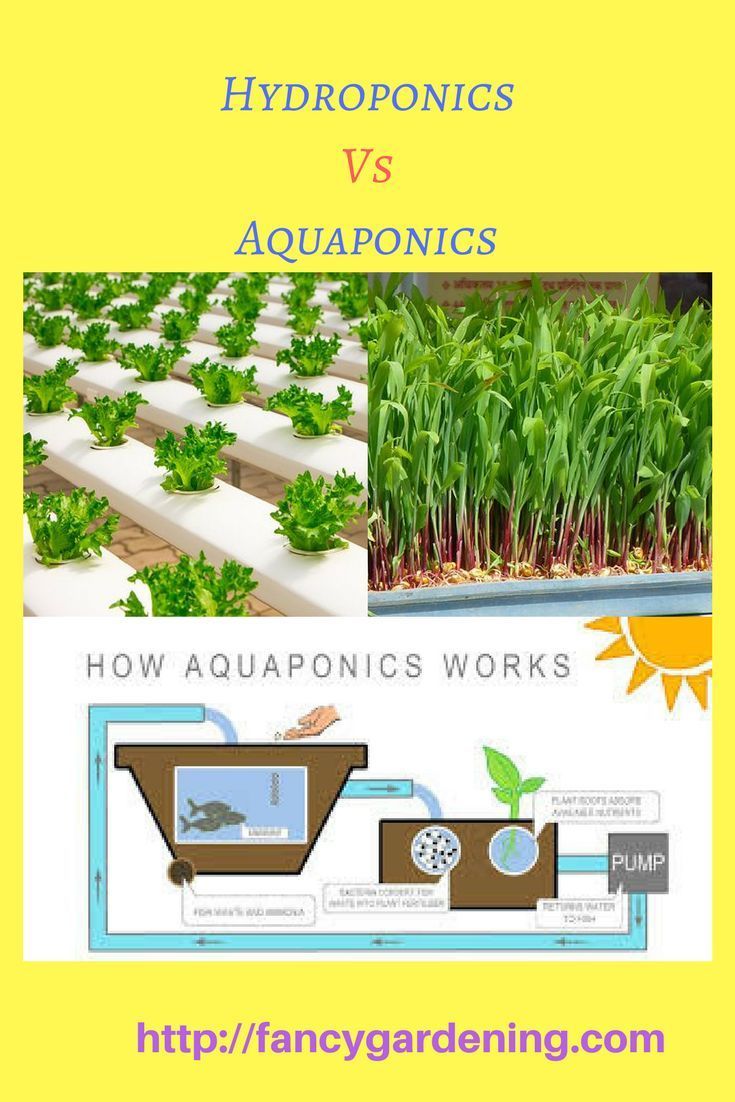
Hydroponic farming is a sustainable and innovative way of growing crops without soil. This method allows farmers to maximize yields using minimal resources such as water, nutrients, and space. Hydroponics also eliminates the need for pesticides and herbicides, making it an ideal option for healthy eating.
Here are eight benefits of hydroponic farming:
1. Year-round production
Hydroponic systems allow for year-round crop production regardless of external weather conditions. This means that you can enjoy fresh produce all year round even during winter months when traditional farming is impossible.
2. High yield in small spaces
Hydroponics requires less space than traditional farming methods because plants grow vertically instead of horizontally. Up to ten times more plants can be grown per square meter with hydroponics compared to conventional agriculture.
3. Lower water usage
Hydroponic systems use far less water than conventional agriculture because it recirculates the nutrient-rich solution within the system meaning very little goes to waste through evaporation or runoff.
4. Nutrient control
With hydroponics, farmers have complete control over the nutrient balance provided to their crops which leads to healthier plants and higher yields than those produced by regular agricultural practices.
5. Minimal pesticide use
Because hydroponic farms are often located indoors or in greenhouses, there’s minimal risk of pests attacking your crops hence reducing the use of pesticides which makes fruits and vegetables safer for human consumption.
6. Consistency in quality
The controlled environment ensures consistent growth rates resulting in uniform harvests every time regardless of external factors like climate change or droughts leaving no surprises on your plate but instead delicious produce every time.
7. Healthier products
Studies show that hydroponically grown fruits and vegetables contain higher levels of vitamins A & C as well as other micronutrients compared to conventionally grown counterparts due to better absorption from direct delivery into plant roots rather than from soil uptake through roots.
8. Sustainable farming
Hydroponic systems are environmentally friendly since they use less water and produce fewer carbon emissions than traditional farming methods, making it an excellent choice for sustainable agriculture.
In conclusion, hydroponic systems offer several benefits that make them an attractive option for farmers looking to maximize yields while minimizing resources used. They’re also a great way to grow healthy fruits and vegetables free from harmful pesticides and herbicides. With the world’s population increasing every day, hydroponics may be the future of sustainable food production.

Leave a Reply