Antioxidants, the buzzword in the world of health and wellness. These magical compounds are touted to be the cure-all for aging, cancer, heart disease, and whatnot. But do they really live up to their hype? Let’s find out.
Firstly, let’s understand what antioxidants are. Antioxidants are substances that protect our cells from damage caused by free radicals. Free radicals are unstable molecules that can cause harm to our body by damaging cell membranes, DNA, and proteins.
Antioxidants work by stabilizing these free radicals before they can cause any damage. They do this by either donating an electron or neutralizing them with their own electrons.
Now that we know what antioxidants are let’s take a closer look at some of the popular antioxidant supplements and see if they actually deliver on their promises.
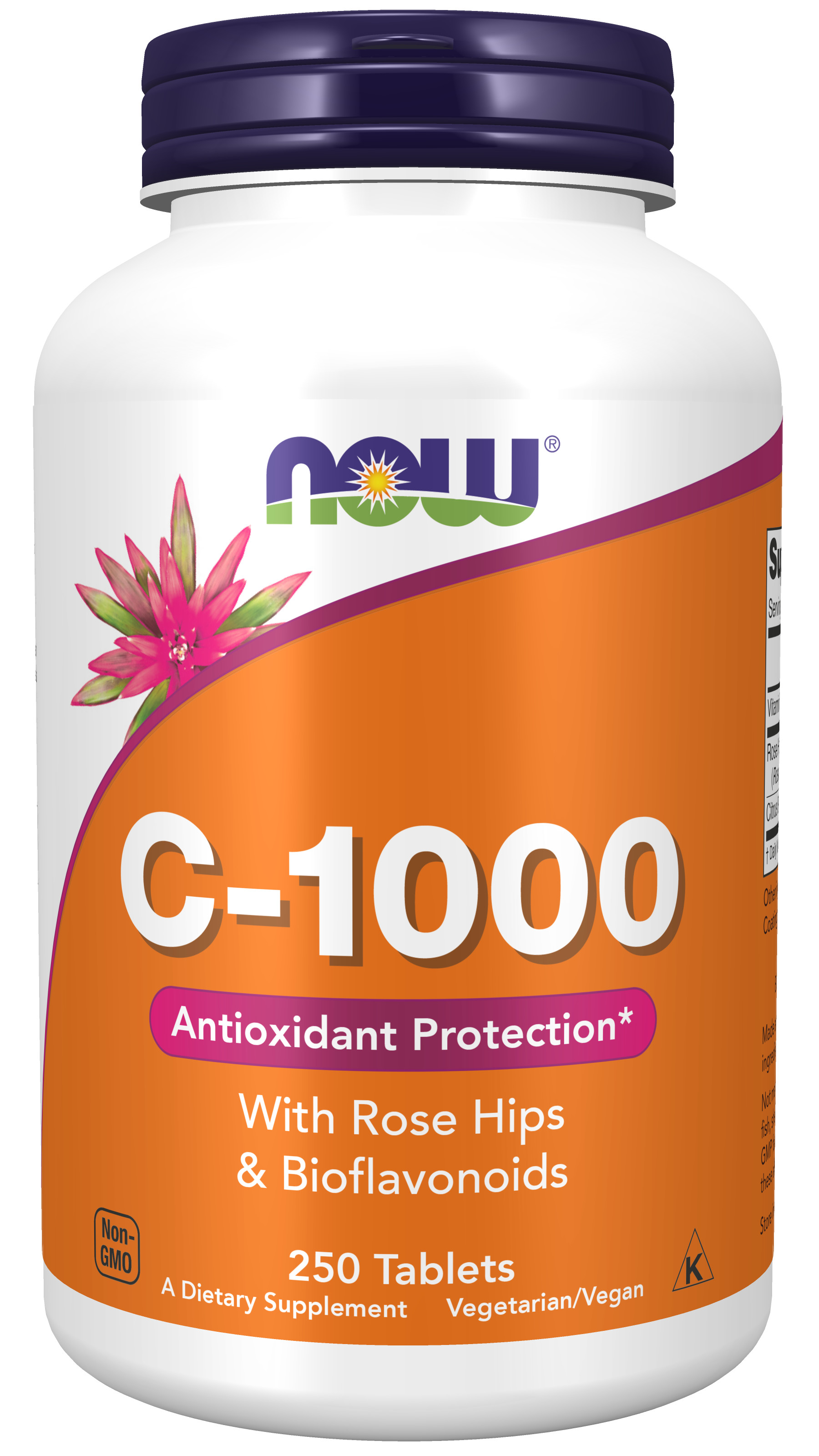
Vitamin C: This is perhaps one of the most well-known antioxidants out there. It is found in many fruits such as oranges, kiwis and strawberries among others. Vitamin C has been shown to boost immunity, reduce inflammation and help prevent chronic diseases like heart disease and cancer.
However taking high doses of vitamin C supplements may not be beneficial as it could lead to gastrointestinal problems such as diarrhea or stomach cramps
Vitamin E: Vitamin E is another popular antioxidant supplement that is believed to slow down aging while also reducing inflammation in your body which lowers your risk for chronic diseases like heart disease or cancer.
But studies have shown that taking vitamin E supplements does not provide any protective benefits against chronic diseases when compared with getting enough vitamin E from food sources alone
Beta-carotene: This antioxidant supplement is found in red-orange vegetables like carrots and sweet potatoes which get converted into Vitamin A once consumed by the body.
It was once believed that beta-carotene supplementation could lower one’s risk for lung cancer but multiple large-scale trials showed no benefit whatsoever
Selenium: Selenium is known for its anti-inflammatory properties. It’s an essential mineral found in soil and water that helps the body make antioxidant enzymes.
While some studies suggest that selenium could help prevent cancer, other studies have shown no such correlation.
So what do these studies tell us? That there is very little evidence to support the use of antioxidant supplements as a means of preventing chronic diseases like cancer or heart disease.
In fact, taking high doses of certain antioxidants can be harmful to your health. For example, high doses of vitamin E may increase your risk for prostate cancer while beta-carotene supplementation has been linked with an increased risk for lung cancer in smokers
It’s important to note that most people can get all the necessary antioxidants from eating a balanced diet rich in fruits and vegetables which provide a variety of nutrients including vitamins and minerals apart from just antioxidants.
Antioxidant supplements are not worth the money or potential harm they might cause when you can obtain them naturally through whole foods – which also provide additional benefits instead of just targeting one specific nutrient.
So next time you’re tempted to buy an expensive bottle of antioxidant supplements, think twice! Instead opt for fresh fruits and veggies which will not only give you all the necessary antioxidants but also fiber and other vital nutrients essential for good health.

Leave a Reply