Heart Health: The Importance of a Healthy Lifestyle
The heart is one of the most vital organs in our body. It pumps blood and oxygen throughout the body, providing life-sustaining nutrients to all our cells and tissues. However, many people tend to forget that their hearts need just as much attention as every other part of their bodies. In fact, according to the Centers for Disease Control and Prevention (CDC), heart disease is the leading cause of death in the United States.
Fortunately, there are steps we can take to maintain a healthy heart. By adopting a healthy lifestyle, we can reduce our risk of developing heart disease or other cardiovascular conditions.
Eating a Heart-Healthy Diet
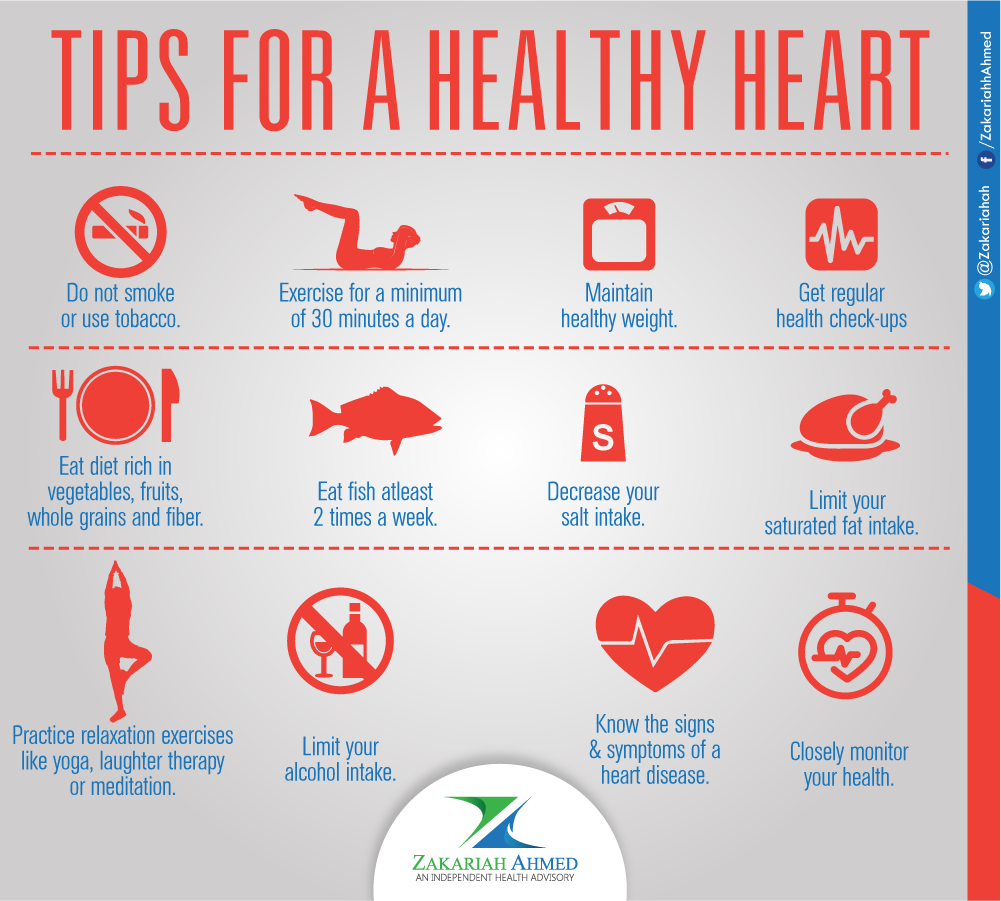
One crucial aspect of maintaining good heart health is consuming a well-balanced diet rich in whole grains, fruits, vegetables, lean proteins and healthy fats such as olive oil or avocados. Foods high in saturated fat like red meat should be consumed sparingly while foods loaded with trans-fats like junk food should be avoided completely. A diet rich in fiber also plays an important role by lowering cholesterol levels which lowers your risk for developing cardiovascular diseases.
Incorporating Regular Exercise into Your Routine
Another essential step towards promoting healthy living includes regular exercise that keeps you active and moving regularly – at least 30 minutes per day five times per week is recommended by doctors worldwide. This could include activities such as walking briskly around your neighborhood or participating in aerobic exercises at your local gym; both options will help improve circulation throughout your entire body including your vital organs like your lungs & heart along with burning calories which helps prevent obesity – another major risk factor for heart diseases.
Managing Stress Levels
Stress management techniques also play an important role when it comes to maintaining good health overall but especially regarding keeping one’s hearts functioning optimally because stress causes damage to various parts of our bodies including increased inflammation markers which damages arteries & veins increasing chances for plaque build-up. Therefore, it is important to find ways to manage stress levels effectively such as practicing mindfulness meditation or deep breathing exercises.
Maintaining Healthy Sleep Habits
Sleep is also a vital aspect of maintaining good heart health. Adults should aim for at least 7-9 hours of sleep per night, however many people may not get adequate sleep due to various reasons – work-related stressors, anxiety or even snoring partners. But getting enough restful sleep helps regulate our bodies’ natural rhythms which keep our hearts pumping in rhythm with our lives and reduces the risk of developing serious conditions like high blood pressure or diabetes.
Avoiding Smoking & Excessive Drinking
Smoking is one of the most significant contributors to heart disease as it narrows your arteries and increases your blood pressure levels leading to an increased risk for cardiovascular diseases. It is essential that smokers quit smoking entirely while those who don’t smoke should avoid exposure to secondhand smoke altogether.
Drinking alcohol excessively can lead to a host of medical problems including damage done by excessive drinking on multiple organs including the liver and kidneys but also contributes towards other issues like obesity which are linked directly back again towards heart disease risks so moderation is key when consuming alcoholic beverages.
Regular Check-ups with Your Doctor
It’s important that you schedule regular check-ups with your doctor too in order to catch any potential health concerns early on before they become bigger issues; this includes monitoring cholesterol levels regularly along with checking your blood sugar levels every year if you are at increased risk based upon family history or lifestyle habits associated with type 2 diabetes.
In conclusion, there are numerous ways in which we can maintain healthy hearts through adopting better lifestyle practices such as eating well-balanced diets rich in whole foods and fiber, exercising regularly whilst managing stress levels through techniques such as mindfulness meditation amongst others all contributing positively towards overall health no matter what age group someone falls under!


Leave a Reply