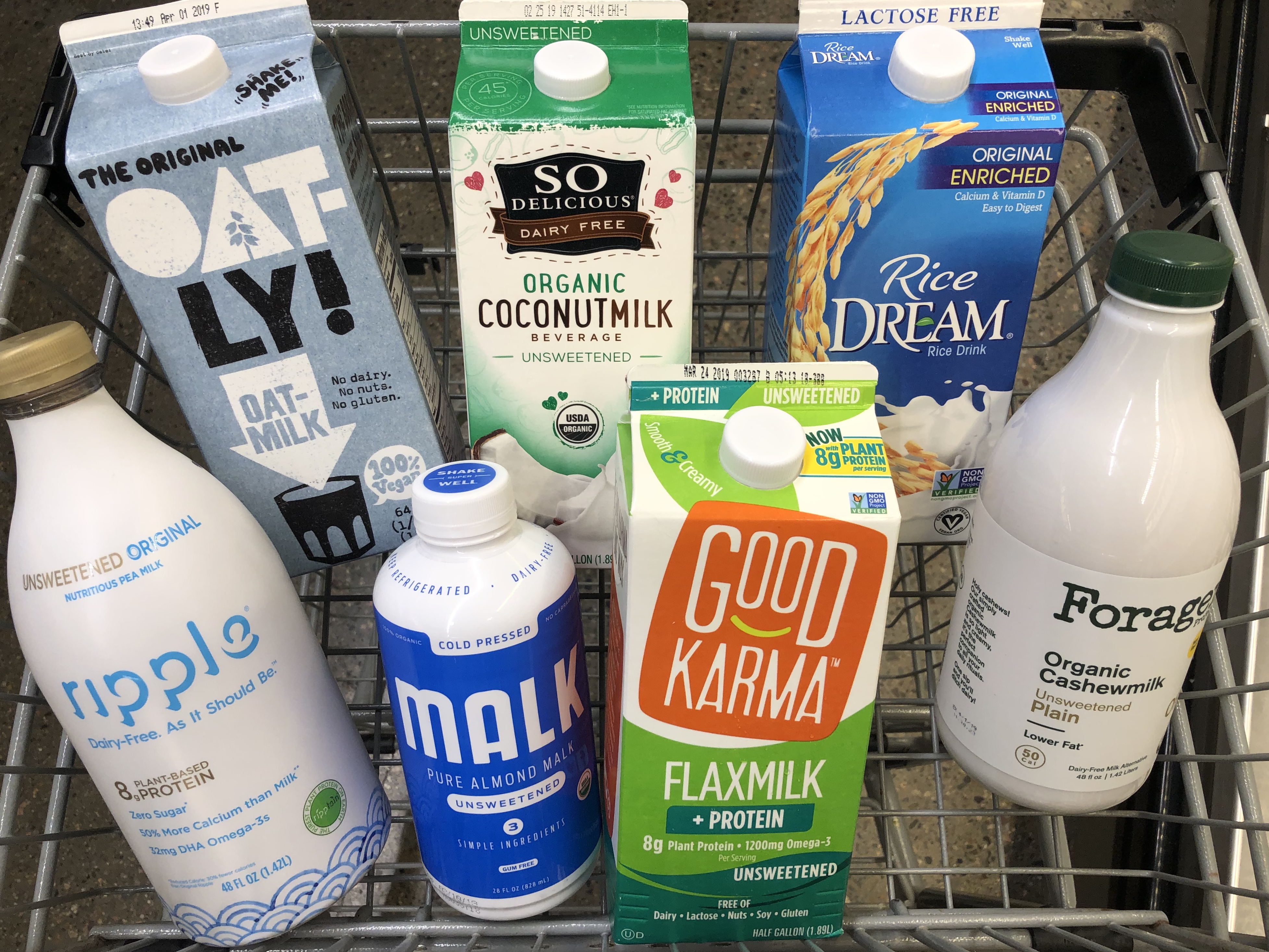
Dairy Alternatives: A Historical Overview
Humans have been consuming dairy products for thousands of years. However, in recent times, more people are looking for dairy alternatives due to various reasons such as ethical concerns, lactose intolerance, and health issues. In this article, we will take a historical overview of some popular dairy alternatives.
Soy Milk
Soy milk is one of the most popular dairy alternatives. Soybeans have been cultivated in China for over 5,000 years and were introduced to Europe in the 18th century. It wasn’t until the early 20th century that soy milk became commercially available in North America.
The process of making soy milk involves soaking soybeans overnight, grinding them with water into a paste-like consistency and then boiling it to eliminate any harmful substances before straining it through cheesecloth or a fine mesh sieve. Soy milk contains almost as much protein as cow’s milk but has less fat and calories.
Almond Milk
The almond tree originates from the Middle East and has been cultivated since ancient times by civilizations such as the Greeks and Romans. Almond milk was commonly used during Medieval European cooking as an alternative to animal milks because it was easier to store without refrigeration.
To make almond milk today, almonds are soaked overnight before being blended together with water to create a creamy mixture that can be strained using cheesecloth or a nut-milk bag. Almond milk is low in calories compared to cow’s milk but lacks protein unless fortified with additional nutrients.
Coconut Milk
Coconuts are believed to have originated from India over 4,000 years ago but were also found throughout Southeast Asia and Polynesia during prehistoric times where they were used for food production purposes such as coconut oil extraction. Coconut cream is made by blending coconut flesh with hot water which separates out the liquid part (coconut cream) from solid parts (coconut meat).
Coconut milk is a popular dairy alternative in Southeast Asian and Caribbean cuisine. It is made by blending the coconut cream with more water to create a thinner consistency. Coconut milk is high in fat but contains beneficial medium-chain triglycerides, which are easily absorbed by the body and used for energy.
Oat Milk
Oats were first cultivated in Europe over 5,000 years ago but were initially used as animal feed before becoming a staple food source for humans. Oat milk became commercially available in Sweden during the early 1990s and has since gained popularity worldwide.
To make oat milk, oats are soaked overnight before being blended together with water to create a creamy mixture that can be strained using cheesecloth or a fine mesh sieve. Oat milk is low in fat, calories, and naturally gluten-free (if certified). Additionally, it contains beta-glucans which have been linked to improved heart health.
Rice Milk
Rice has been cultivated for thousands of years across Asia where it was commonly used as a staple food source due to its long shelf-life. Rice milk was developed during World War II when dairy products were scarce due to rationing efforts.
To make rice milk today, rice grains are cooked until they are soft before being blended together with water into a smooth liquid that can be strained using cheesecloth or nut-milk bag. Rice milk is low in fat and calories but lacks protein unless fortified with additional nutrients such as calcium or vitamin D.
Hemp Milk
Hemp has been grown for thousands of years throughout many regions of the world including China, India, Europe, and North America. Hemp seeds contain all nine essential amino acids making them an excellent plant-based protein source.
To make hemp milk today, hemp seeds are soaked overnight before being blended together with water into a creamy liquid that can be strained using cheesecloth or nut-milk bag. Hemp seed oil provides an ideal balance of omega-3 and omega-6 fatty acids which are beneficial for heart health.
Conclusion
In conclusion, there are many dairy alternatives available for those who prefer not to consume animal-based products or have lactose intolerance. Each alternative has its unique history and nutritional benefits making them a great addition to any healthy diet. As the demand for plant-based diets continues to grow, we can expect more innovative and delicious dairy alternatives to emerge in the future.

Leave a Reply