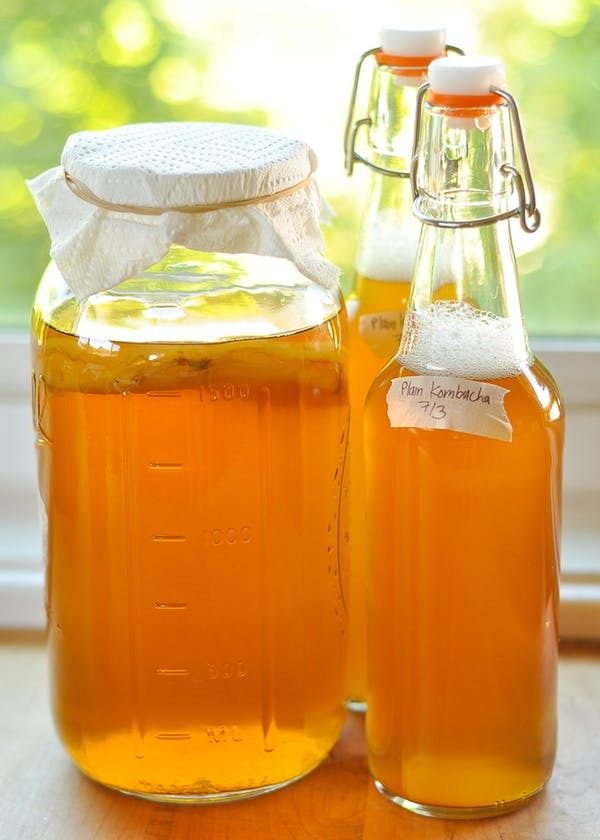
Kombucha: A Refreshing and Healthy Beverage
Kombucha has been gaining popularity in recent years as a refreshing and healthy beverage. It is a type of fermented tea that is believed to have originated in China over 2,000 years ago. Today, it is enjoyed by people all over the world for its unique taste and potential health benefits.
What is Kombucha?
Kombucha is made by fermenting sweetened black or green tea with a symbiotic culture of bacteria and yeast (SCOBY). The SCOBY consumes the sugar in the tea, producing organic acids such as acetic acid, lactic acid, and gluconic acid. This process gives kombucha its distinct tangy flavor.
In addition to the SCOBY, kombucha often contains live bacteria and yeast cultures that are beneficial for gut health. These probiotics can aid digestion, boost immunity, and potentially improve mental health.
The Health Benefits of Kombucha
While research on kombucha’s health benefits is limited, many proponents of the beverage claim that it can:
1. Improve Digestion: The probiotics found in kombucha may help improve gut health by promoting healthy digestion and reducing inflammation.
2. Boost Immunity: Kombucha contains antioxidants that may help protect against disease-causing free radicals in the body. Additionally, some studies suggest that drinking kombucha could potentially increase immune function.
3. Reduce Inflammation: The organic acids produced during fermentation give kombucha anti-inflammatory properties that may benefit overall health.
4. Detoxify the Body: Some believe that drinking kombucha can help detoxify the body by aiding liver function and removing harmful toxins from our system.
5. Enhance Mental Health: While more research is needed to confirm this benefit conclusively, some studies have suggested that probiotics like those found in kombucha could positively impact mood disorders such as anxiety or depression.
How to Make Kombucha at Home
While kombucha can be found at most health food stores, it’s also easy to make at home. All you need is a SCOBY, tea bags or loose-leaf tea, sugar, and water.
1. Brew 8 cups of tea using black or green tea leaves and sugar.
2. Allow the tea to cool down to room temperature.
3. Add the SCOBY and one cup of already fermented kombucha into a glass jar with a lid.
4. Cover the jar with a clean cloth or paper towel and secure it in place with a rubber band. This will allow air circulation while keeping out dust and debris.
5. Let the mixture sit undisturbed for 7-14 days until it has fermented to your liking.
6. Remove the SCOBY from the liquid and store it in some of its own vinegar mixture for future use.
7. Bottle your finished kombucha in an airtight container and refrigerate before serving.
Possible Risks
While there are many potential benefits associated with drinking kombucha, there are also some possible risks that should be considered:
1. Alcohol Content: Kombucha is naturally slightly alcoholic due to the fermentation process, typically containing less than 0.5% alcohol by volume (ABV). However, homemade kombucha may contain higher levels of alcohol if not properly monitored during fermentation which could lead to intoxication when consumed in large quantities.
2.Sugar Content: While much of the sugar present during brewing is consumed by bacteria & yeast cultures , some sugars remain after fermentation which increases calorie content.
3.Contamination: There have been instances where contaminated batches of homemade kombucha have caused illness due to harmful bacteria such as E.coli or Salmonella.
Conclusion
Kombucha can be an enjoyable way to enhance your overall health through gut-friendly probiotics as well as potentially improving digestion & immunity while reducing inflammation throughout our bodies – just be mindful of the risks associated with homemade brewing techniques. Whether you purchase it from a store or brew at home, kombucha is a refreshing and healthy beverage that has been enjoyed for centuries and will likely continue to be for many years to come.

Leave a Reply