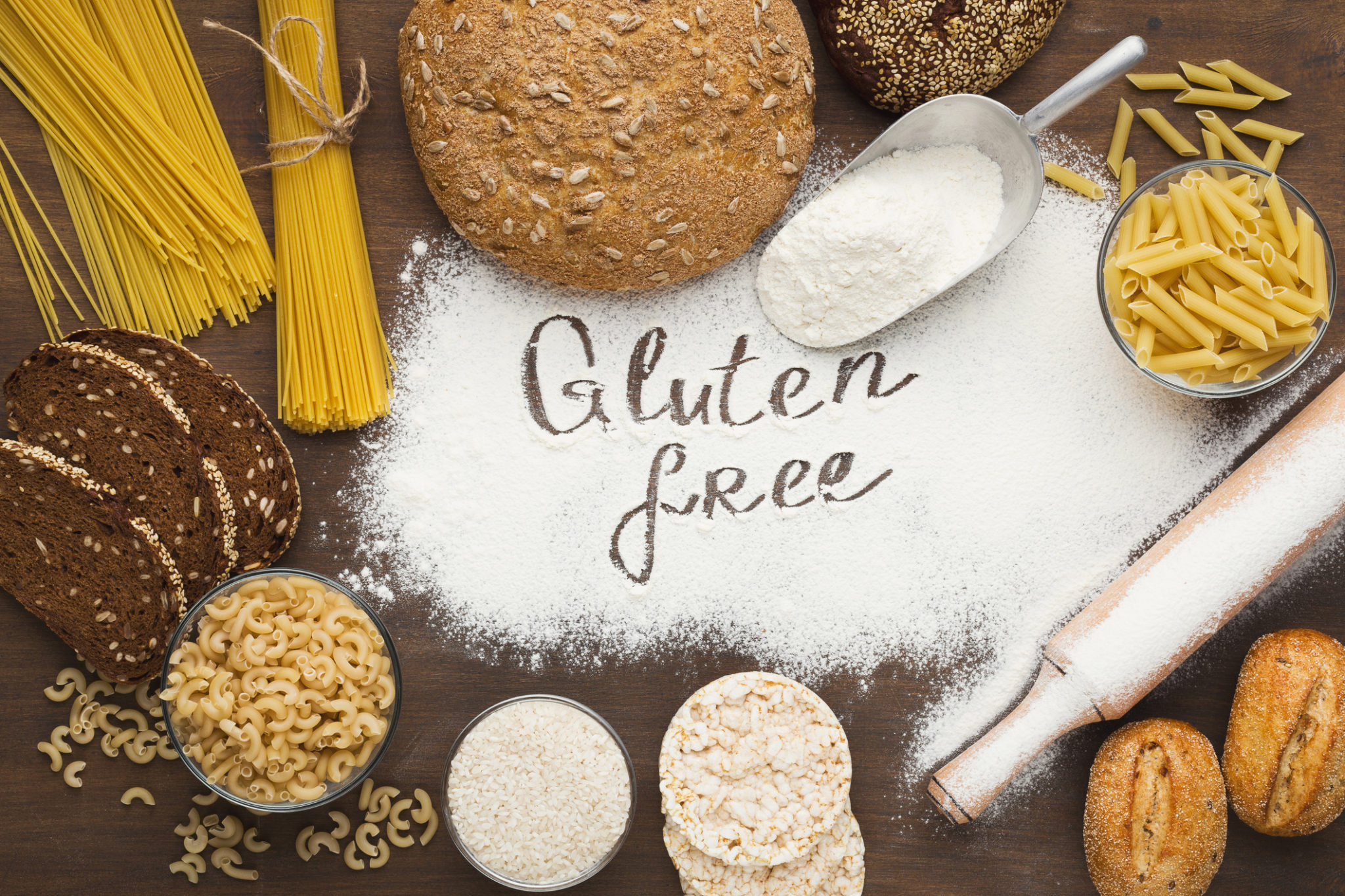
Gluten-Free Eating: A Comprehensive Overview
Gluten-free eating has become increasingly popular over the past few years, with many people choosing to eliminate gluten from their diets for various reasons. Some have a medical condition such as celiac disease or gluten intolerance, while others simply believe that a gluten-free diet is healthier. Whatever the reason may be, it’s important to understand what a gluten-free diet entails and how to make sure you’re getting all the nutrients your body needs.
What is Gluten?
Gluten is a protein found in wheat, barley, rye and other grains. It gives dough its elasticity and helps it rise during baking. For those with celiac disease or gluten intolerance, consuming foods containing gluten can cause damage to the small intestine and lead to symptoms like bloating, abdominal pain, diarrhea or constipation.
Foods to Avoid on a Gluten-Free Diet
If you’re following a strict gluten-free diet, there are some foods you must avoid:
– Wheat-based products like breads, pasta and cereals
– Barley
– Rye
– Most beers (unless they’re specifically labeled “gluten-free”)
– Processed foods that contain wheat flour or other sources of gluten (like soy sauce)
However, there are plenty of naturally gluten-free foods that you can enjoy without worry:
– Fruits and vegetables
– Meat and poultry
– Fish and seafood
– Legumes (beans)
– Nuts and seeds
– Dairy products
It’s worth noting that not all packaged goods are necessarily safe for those following a gluten-free lifestyle; always check labels carefully before purchasing any item.
Potential Nutrient Deficiencies on a Gluten-Free Diet
One potential concern for those following a strictly limited diet is nutrient deficiencies. While many naturally occurring food items are already free from glutinous proteins – such as fruits/vegetables/proteins – certain grain-derived nutrients can be difficult to obtain on such a diet.
For example, whole grains are an important source of fiber, B vitamins and minerals like iron and magnesium. Gluten-free alternatives like rice flour or cornstarch may not be fortified with these nutrients. To ensure a balanced intake of all necessary macronutrients, it is important to incorporate nutrient-dense gluten-free grain sources such as buckwheat, quinoa or amaranth into your meals.
The Benefits of a Gluten-Free Diet
People who choose to follow a gluten-free diet report various benefits including:
– Relief from digestive symptoms
– Increased energy levels
– Clearer skin
– Improved mood
However, it’s worth noting that research on the benefits of a gluten-free diet for those without celiac disease or gluten intolerance is limited. While some people may feel better after eliminating gluten from their diets, others may not notice any difference at all.
Conclusion
In summary, following a strict gluten-free diet can be challenging but rewarding for those who need to avoid this protein for medical reasons. For those looking to adopt such an approach in order to improve overall wellness – while many naturally occurring foods are already free from glutinous proteins – care must be taken to ensure adequate intake of essential nutrients typically derived from wheat-based products.
It’s always best to consult with a registered dietician before making any major changes in your eating habits; they will help you develop an individualized meal plan based on your specific nutritional needs.

Leave a Reply