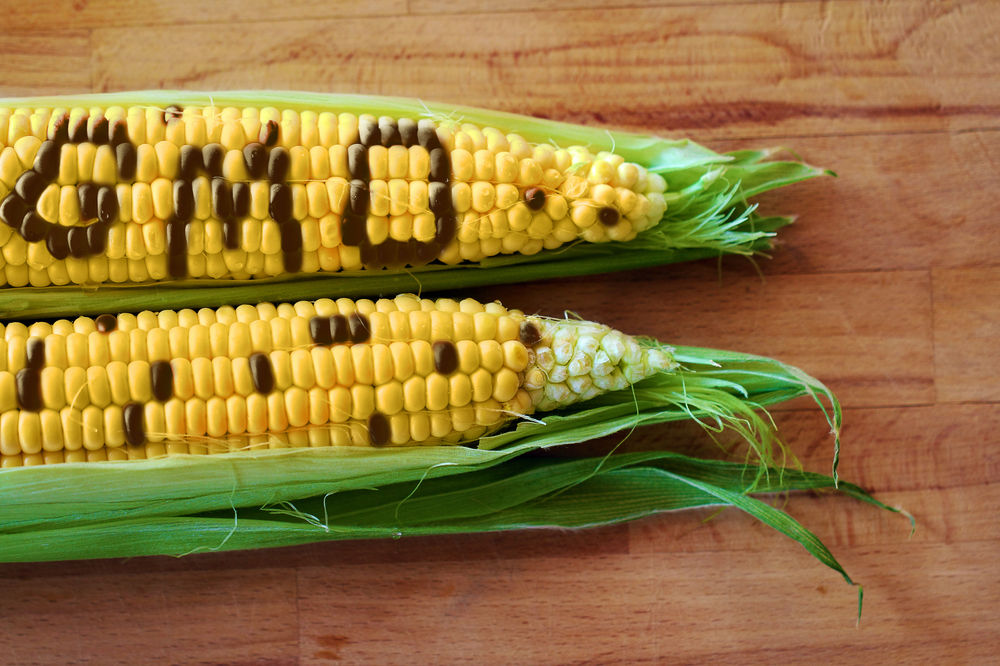
Genetically modified organisms, commonly referred to as GMOs, have been a controversial topic in agriculture and food production for decades. While some view them as a necessary tool for feeding the growing global population, others raise concerns about their potential health and environmental impacts. In this article, we will explore the history of GMOs in agriculture and food production.
What Are GMOs?
GMOs are living organisms whose genetic material has been manipulated by scientists to produce desired traits or characteristics. This manipulation is done through genetic engineering techniques that involve inserting genes from one organism into another. The goal is to create crops that are more resistant to pests and diseases or have better nutritional value.
The History of GMOs
The first genetically engineered crop was produced in 1983 when researchers inserted an antibiotic-resistant gene into tobacco plants. However, it wasn’t until the mid-1990s that genetically modified crops began to be widely commercialized.
In 1996, Monsanto introduced Roundup Ready soybeans, which were genetically engineered to resist the herbicide glyphosate (the active ingredient in Roundup). This allowed farmers to spray their fields with Roundup without harming their soybean crops. Within a few years, other companies began producing genetically modified corn and cotton varieties.
Since then, the use of GMO crops has become widespread throughout the world. According to a report by the International Service for the Acquisition of Agri-biotech Applications (ISAAA), over 185 million hectares of GM crops were grown globally in 2016.
Types of GMO Crops
There are two main types of GM crops: those that are insect-resistant (Bt) and those that are herbicide-tolerant (HT). Insect-resistant plants contain genes from Bacillus thuringiensis (Bt), which produces proteins toxic to certain insects but harmless to humans and animals. Herbicide-tolerant plants are engineered to withstand exposure to specific herbicides, allowing farmers to spray their fields with these chemicals without harming their crops.
Other genetically modified crops include those that are drought-resistant, disease-resistant, or have improved nutritional content. For example, Golden Rice is a variety of rice that has been genetically engineered to produce more vitamin A than traditional rice varieties.
Controversies Surrounding GMOs
Despite the widespread use of GM crops in agriculture and food production, there are still many controversies surrounding their use. Some people are concerned about potential health risks associated with eating GMO foods, while others worry about environmental impacts such as the development of herbicide-resistant weeds or harm to non-target organisms like bees and butterflies.
One of the biggest concerns raised by opponents of GMOs is the lack of long-term safety studies on humans. While many studies have been conducted on animals, some argue that more research needs to be done to fully understand the potential health risks associated with consuming GM foods.
Another concern is the impact that GM crops can have on biodiversity. Some worry that genetic engineering could lead to a loss of genetic diversity in crop plants, which could make them more vulnerable to pests and diseases over time.
Proponents of GMOs argue that they are necessary for feeding a growing global population and reducing reliance on harmful pesticides and herbicides. They point out that genetically engineered crops can help farmers produce higher yields with fewer inputs (like water and fertilizer), which can lead to lower costs for consumers.
Conclusion
The history of GMOs in agriculture and food production is complex and controversial. While proponents argue that they offer significant benefits in terms of increasing productivity and reducing reliance on harmful pesticides, opponents raise concerns about potential health risks and environmental impacts. As we continue to debate the role that genetically modified organisms should play in our food system, it’s important for consumers to stay informed about their options when it comes to choosing what they eat.

Leave a Reply