OMAD Diet: An In-Depth Review
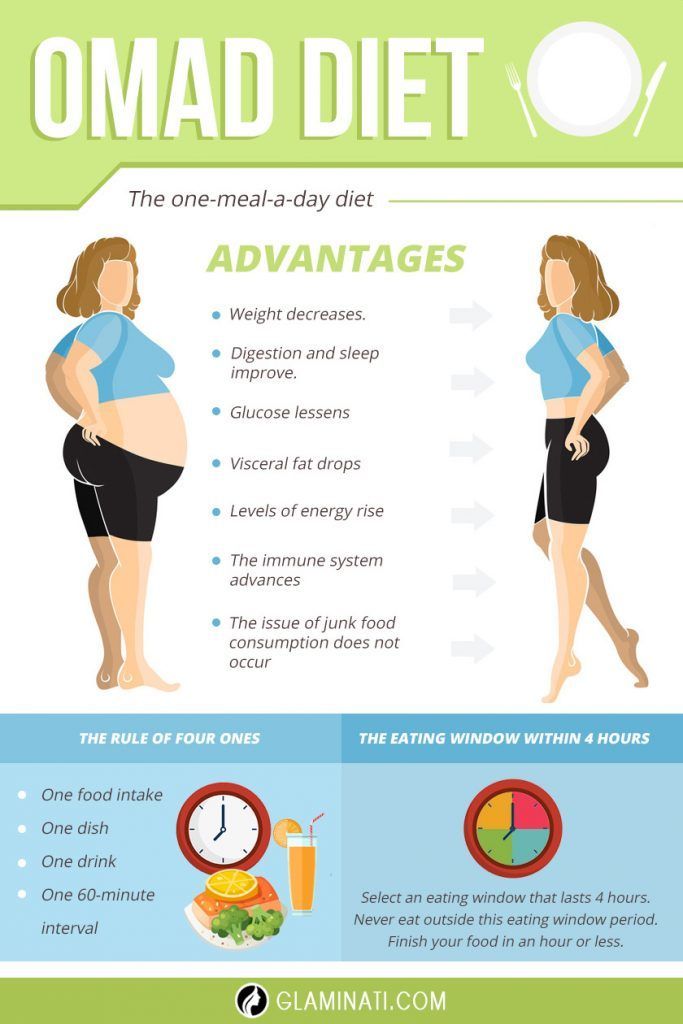
The OMAD (one meal a day) diet is a form of intermittent fasting that has gained popularity in recent years. As the name suggests, it involves consuming all your daily calories in just one meal and then fasting for the rest of the day. This approach promises weight loss, improved health markers, and increased longevity. But is it really as effective as people claim? In this article, we’ll take an in-depth look at the OMAD diet to understand how it works and whether or not it’s safe and sustainable.
How Does The OMAD Diet Work?
The idea behind OMAD is that by drastically reducing your eating window, you force your body to burn fat for energy instead of relying on glucose from carbohydrates. When you’re in a fasted state, insulin levels drop, allowing stored fat to be released into the bloodstream and used for fuel. This process is known as ketosis.
OMAD practitioners typically eat their one meal at dinner time since it’s easier to stick to when socializing with friends or family. They consume all their daily macronutrients – protein, carbs, and fats – during this single meal but aim to keep calorie intake between 1200-2000 depending on individual goals.
Benefits Of The OMAD Diet
One of the main benefits of OMAD is weight loss. By limiting yourself to just one meal per day, there’s less opportunity for overeating or snacking throughout the day which can lead to consuming more calories than needed.
Studies have shown that intermittent fasting can also improve insulin sensitivity leading to better blood sugar control which may reduce risk factors associated with type 2 diabetes.
Furthermore, some research suggests that practicing intermittent fasting may reduce inflammation throughout the body which could decrease risk factors associated with chronic diseases such as cancer and heart disease.
Potential Drawbacks Of The OMAD Diet
While there are potential benefits associated with practicing OMAD, there are also some drawbacks to consider. For one thing, consuming all your daily calories in just one meal can be difficult and may lead to feeling overly full or uncomfortable.
Furthermore, because you’re not eating throughout the day, it’s important to make sure that the single meal you do eat is nutritionally balanced with enough protein, carbohydrates and healthy fats. This can require careful planning and preparation which may not be feasible for everyone.
Lastly, while intermittent fasting has been shown to have benefits when done properly under medical supervision, it’s important to note that this type of diet is not suitable for everyone – particularly those with a history of disordered eating.
Is The OMAD Diet Safe And Sustainable?
The safety and sustainability of any diet depend on individual factors such as age, gender, activity level and overall health status. While OMAD may be an effective way of losing weight for some people in the short term, it’s crucial to consider whether this approach is sustainable over time. Consuming all your daily calories in just one meal can be challenging from a practical standpoint but also poses potential risks if nutrient needs aren’t being met.
Additionally, because OMAD requires strict adherence over an extended period of time (often months or years) some individuals may find it difficult to maintain long-term compliance. In fact, research has shown that most diets fail within 1-2 years due to lack of adherence making it important to choose an approach that fits well within your lifestyle.
Conclusion
In conclusion, the OMAD diet offers potential benefits such as weight loss and improved metabolic markers but should only be considered after consulting with a qualified healthcare professional who can assess its suitability based on individual needs. While intermittent fasting has become popular in recent years as a tool for improving health outcomes – including weight loss – it’s important not to overlook the essential role played by proper nutrition in maintaining optimal health over the long term. Ultimately choosing an approach that is enjoyable, sustainable and science-based is key to achieving your health goals.

Leave a Reply