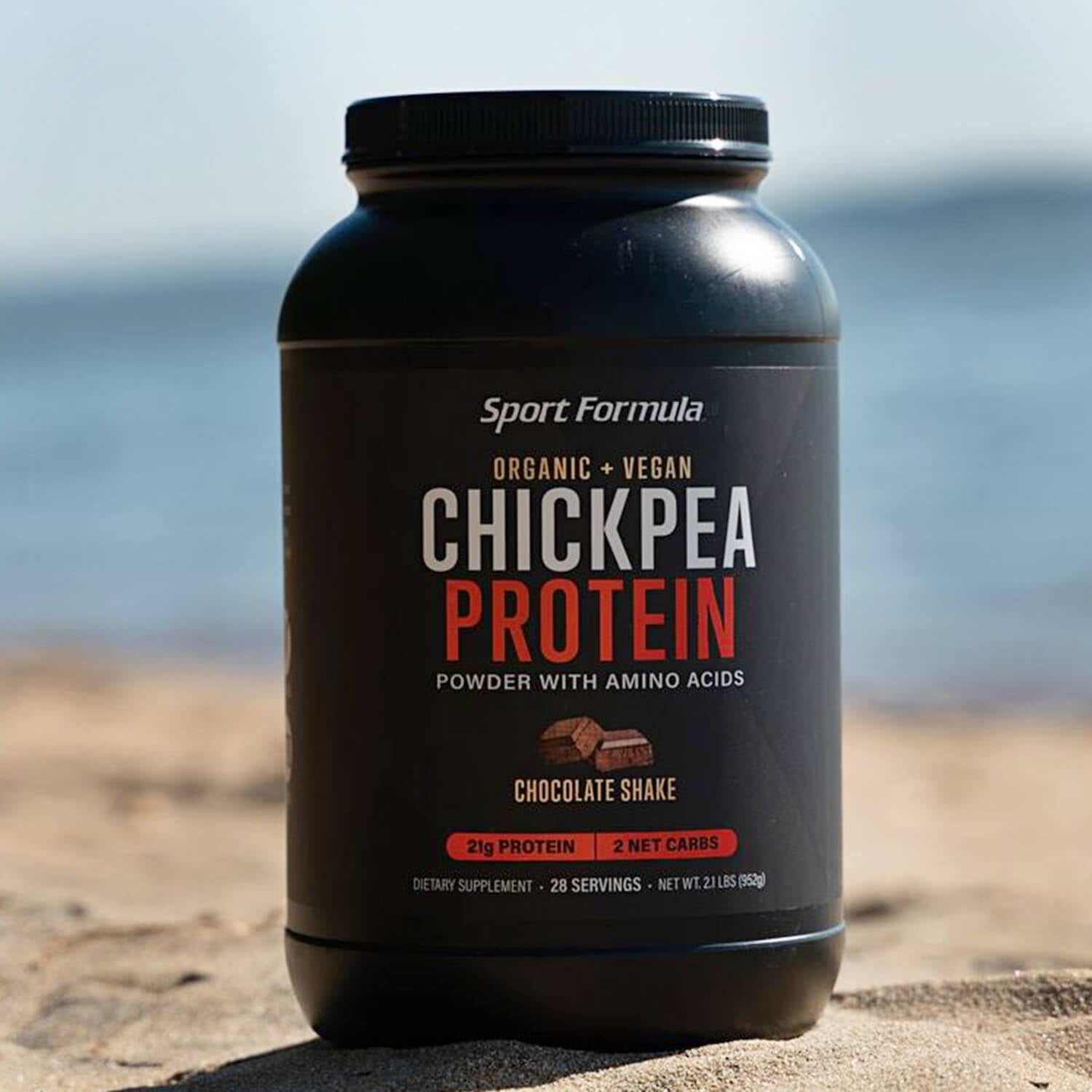
Chickpea Protein: The Ultimate Guide
Chickpeas are a legume that is widely used in many cuisines around the world. They are not only delicious but also packed with nutrients, including protein. Chickpea protein has become increasingly popular as more people turn to plant-based diets or look for alternative sources of protein. In this post, we will explore everything you need to know about chickpea protein.
What Is Chickpea Protein?
Chickpea protein is the protein found in chickpeas, which is a type of legume. It is a complete source of plant-based protein, meaning it contains all nine essential amino acids that our bodies cannot produce on their own and must get from food.
Why Is Chickpea Protein Good For You?
Protein is an essential macronutrient that plays many important roles in the body. It helps build and repair tissues, supports immune function, and produces enzymes and hormones. Getting enough high-quality protein in your diet is crucial for overall health.
Chickpea protein can be an excellent choice for those looking for alternative sources of high-quality plant-based proteins. Unlike animal products like meat or dairy, chickpeas are low in fat and cholesterol-free while providing significant amounts of fiber and other essential nutrients such as iron, zinc, magnesium, and B vitamins.
How Much Protein Does Chickpeas Have?
A one-cup serving (240g) of cooked chickpeas provides around 14 grams of protein per cup (depending on the variety). This amount makes up roughly 28% percent of the daily recommended intake (DRI) set by the US Department of Agriculture (USDA).
Is Chick Pea Protein Better Than Other Plant-Based Proteins?
While there isn’t necessarily a “better” option when it comes to plant-based proteins since each offers different nutritional profiles suited to individual needs; what sets chick pea apart from others is its versatility in the kitchen. Chickpeas can be used in hummus, salads, soups, stews, curries, and much more.
How To Incorporate Chickpea Protein Into Your Diet?
There are many ways to incorporate chickpea protein into your diet. One of the easiest is to use canned chickpeas as a quick and easy source of plant-based protein. You can also roast them for a crunchy snack or grind them into flour for baking and cooking.
Here are some other great ways to incorporate chickpeas:
– Make homemade hummus: Blend cooked chickpeas with tahini paste, lemon juice, garlic, and olive oil for a delicious dip.
– Add them to salads: Toss cooked chickpeas with leafy greens like spinach or kale along with other veggies such as tomatoes or cucumbers.
– Use them in soups: Add cooked chickpeas to vegetable soup for an extra boost of protein.
– Create vegetarian burgers: Mash up cooked chickpeas with spices like cumin and coriander then form into patties before grilling or baking.
Conclusion
Chickpea protein is an excellent alternative source of high-quality plant-based proteins that offer numerous nutritional benefits. It’s also versatile enough that you can easily add it to various dishes such as soups, salads, dips or even burgers! So go ahead and try incorporating this superfood into your meals today!

Leave a Reply