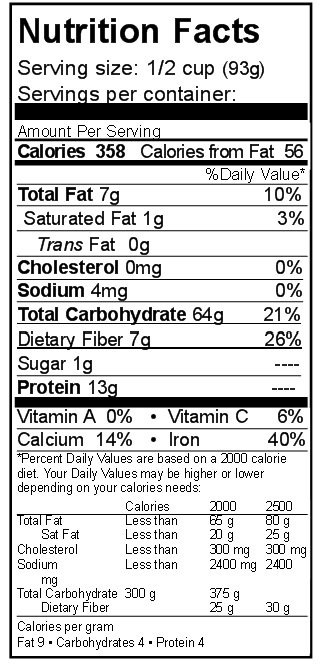
Amaranth flour is a gluten-free alternative to wheat flour that has been used for centuries in South American cuisine. It is made from the seeds of the amaranth plant, which was once considered a sacred crop by the Aztecs. Amaranth flour has gained popularity in recent years due to its nutritional value and versatility in cooking.
One of the most significant benefits of amaranth flour is its high protein content. It contains all nine essential amino acids, making it a complete protein source. Additionally, it is rich in fiber, iron, magnesium, and other minerals. These nutrients make amaranth flour an excellent choice for those looking to add more plant-based protein to their diet.
Amaranth flour can be used as a substitute for wheat flour in many recipes. Its unique flavor profile adds a nutty taste to baked goods like bread and muffins. When combined with other flours such as rice or tapioca flour, it creates delicious gluten-free pastas and tortillas.
Another popular use for amaranth flour is in breakfast dishes like pancakes and waffles. The high protein content helps keep you full longer while providing sustained energy throughout the day.
In addition to its culinary uses, amaranth has also been used medicinally by indigenous cultures for centuries. It was believed to have healing properties and was often used to treat digestive issues and skin conditions.
When purchasing amaranth products, look for organic varieties whenever possible as conventionally grown crops may contain harmful pesticides and herbicides. Amaranth can typically be found at health food stores or online retailers specializing in gluten-free items.
In conclusion, incorporating amaranth into your diet can provide numerous health benefits while adding variety to your meals. Whether you are looking for a gluten-free option or simply want to try something new, give amaranth flour products a chance – your taste buds (and body) will thank you!

Leave a Reply