One Meal a Day (OMAD): Is It Healthy for You?
Have you ever heard of One Meal a Day (OMAD)? This eating pattern is exactly what it sounds like, where individuals consume only one meal per day and fast for the remaining hours. While OMAD has been gaining popularity in recent years, there are still many concerns about its safety and effectiveness. In this article, we’ll dive deeper into OMAD and discuss whether it’s a healthy choice.
What is OMAD?
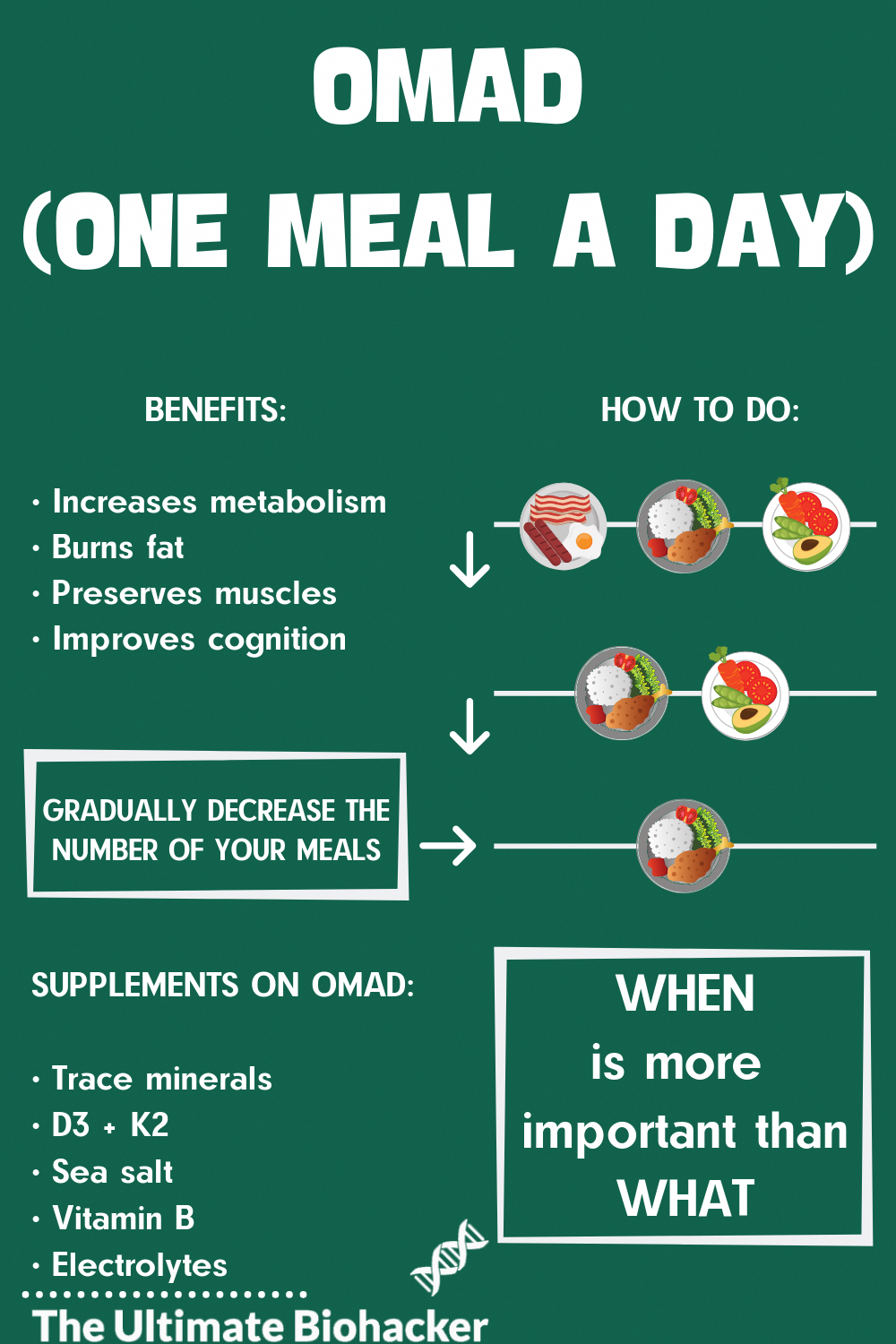
As mentioned earlier, OMAD stands for One Meal A Day. This means that people following this eating pattern will eat only one large meal during their designated feeding window (usually within an hour), and fast for the remainder of the day. The fasting period usually lasts 23 hours or more.
Benefits of OMAD
One apparent benefit of OMAD is simplicity – you don’t have to worry about planning multiple meals throughout the day or counting calories. Additionally, some studies suggest that intermittent fasting can help with weight loss by reducing calorie intake while increasing metabolism rate.
Moreover, studies indicate that fasting may activate autophagy – a natural process in which cells break down old or damaged parts and recycle them as energy sources – leading to several health benefits such as improved insulin sensitivity and lower inflammation levels.
Risks associated with OMAD
While there may be potential advantages to trying out an OMAD diet plan, it’s essential to consider the risks involved too.
Firstly, consuming all your daily recommended nutrients in just one meal can be challenging if not impossible; hence nutrient deficiencies could arise unless proper supplementation or careful planning is done.
Secondly, skipping breakfast could cause blood sugar drops resulting in low energy levels leaving individuals feeling tired throughout the day.
Finally yet importantly; overeating at your single meal session could lead to problems like digestive discomforts such as bloating or indigestion.
Conclusion
In summary, while certain aspects of One Meal a Day(Omad) could lead to weight loss and other health benefits, it’s important to consider the risks involved. It’s vital that you consult with your doctor or a registered dietitian before starting any eating plan – especially one as restrictive as OMAD- particularly if you have underlying medical conditions.
In conclusion, there is no one size fits all approach when it comes to healthy eating. Hence you should always listen to your body and work with a professional who can recommend personalized nutrition advice that suits your specific needs, lifestyle and overall goals.

Leave a Reply