As a writer and journalist who loves food, I can’t help but notice how much attention Irritable Bowel Syndrome (IBS) has been getting in the health world lately. It seems like every other day there’s a new article about how to manage your IBS symptoms or what foods you should avoid if you have it.
But let’s be real: all this talk about IBS can be pretty overwhelming. As someone who doesn’t have the condition, it’s hard for me to imagine what life would be like if my stomach hurt every time I ate something with gluten or dairy. And as someone who loves to eat, it’s even harder for me to imagine having to give up certain foods altogether just because they don’t agree with my digestive system.
So today, we’re going to take a lighthearted look at IBS and some of the struggles that come along with it – while still offering some helpful advice for those who are dealing with this condition on a daily basis.
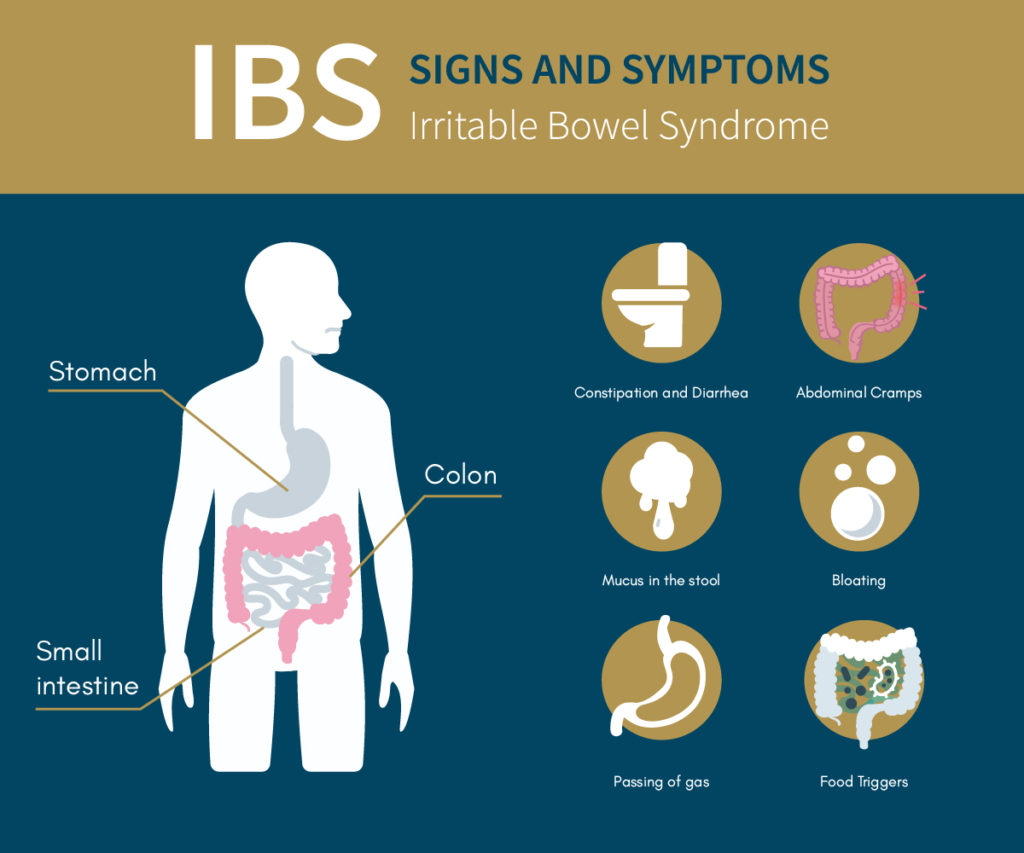
First things first: let’s talk about gas. Yes, farting is a natural bodily function that everyone experiences from time to time. But when you have IBS, excessive gas can be one of the most embarrassing symptoms. Imagine being at work or out on a date and feeling like you’re going to explode from all the trapped air in your intestines. Not exactly ideal!
The good news is that there are plenty of ways to reduce gas if you have IBS. For starters, try avoiding carbonated drinks and chewing gum (both of which can introduce more air into your digestive system). You may also want to consider taking an over-the-counter medication such as simethicone, which helps break up gas bubbles in your stomach.
Next up: bloating. This is another common symptom of IBS – and one that can make you feel like you’ve gained 10 pounds overnight! Bloating occurs when excess gas gets trapped in your digestive system, causing your stomach to expand.
To combat bloating, try eating smaller meals throughout the day instead of large ones. This will help keep your digestive system moving more efficiently and prevent gas from building up. You may also want to experiment with different types of fiber (such as soluble vs. insoluble) to see which works best for you.
Finally, let’s talk about diarrhea and constipation – two symptoms that are on opposite ends of the spectrum but can both be equally frustrating for those with IBS.
Diarrhea is characterized by loose, watery stools that can come on suddenly and leave you feeling drained and dehydrated. To avoid this symptom, it’s important to stay well-hydrated throughout the day (aim for at least eight glasses of water per day) and avoid trigger foods such as spicy or greasy foods.
On the other hand, constipation occurs when stool moves too slowly through your intestines, leading to hard, dry bowel movements that are difficult to pass. If you’re prone to constipation due to IBS, make sure you’re getting enough fiber in your diet (again, experimenting with different types may be helpful). You may also want to try gentle exercises like yoga or walking to get things moving down there!
Overall, living with IBS can be a challenge – but it doesn’t have to ruin your life! By making some simple changes in your diet and lifestyle habits, you can manage your symptoms effectively and live a healthy life without sacrificing all the foods you love. And hey – if all else fails, just blame it on the dog 😉

Leave a Reply