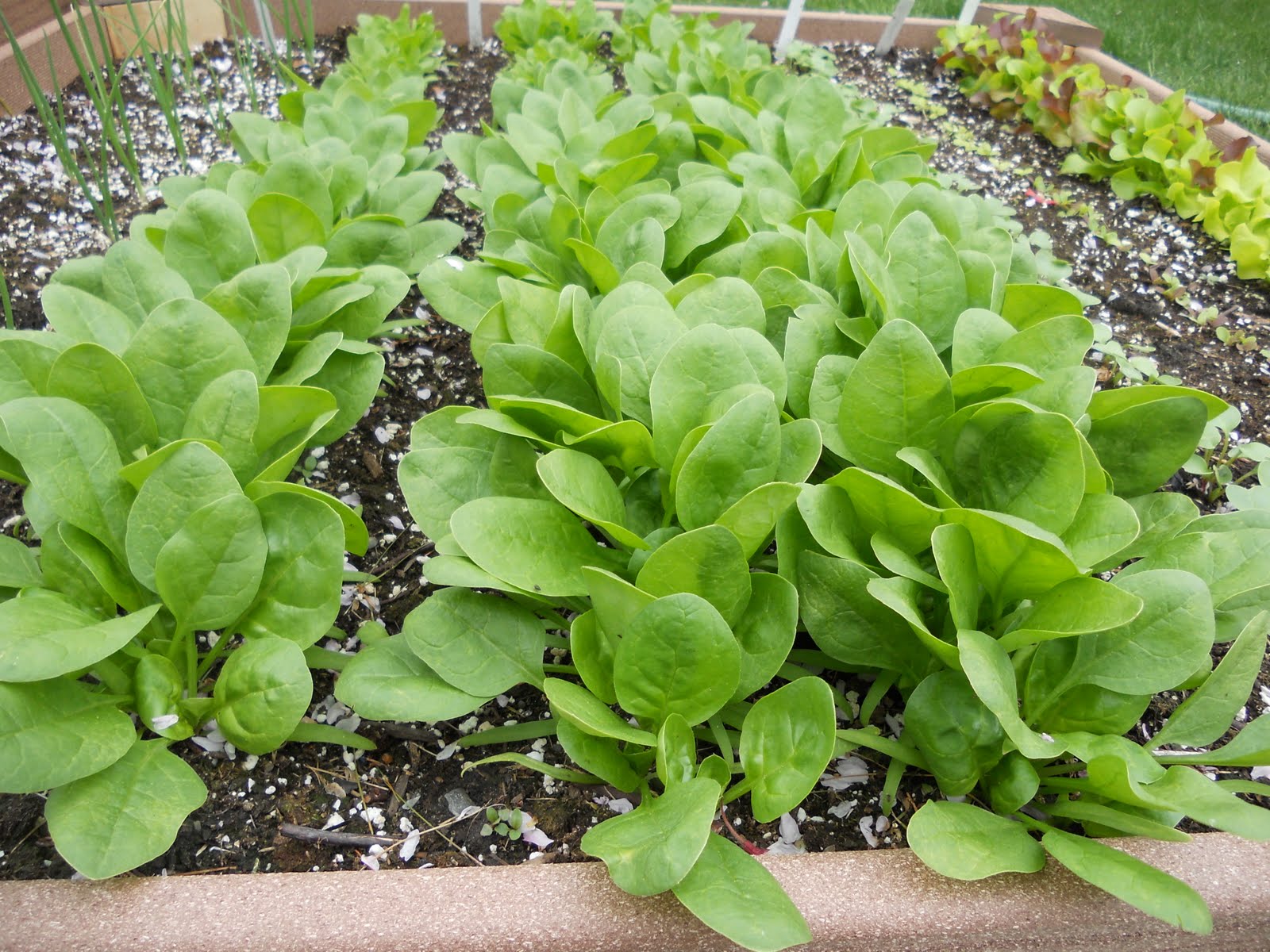
Spinach Cultivation: A Nutritious and Rewarding Endeavor
Spinach is a leafy green vegetable that has been a staple in Mediterranean diets for centuries. It’s a versatile crop that can be used in salads, sandwiches, soups, and smoothies to provide an excellent source of essential vitamins and minerals. Spinach is also an excellent source of dietary fiber, making it ideal for maintaining digestive health.
Growing spinach at home is easy and rewarding. In this post, we’ll discuss everything you need to know about cultivating spinach from seed to harvest.
Choosing the Right Spinach Variety
Before starting your spinach cultivation journey, you should decide which variety of spinach suits your needs best. There are several types of spinach available today; each type has its unique set of characteristics such as flavor profile, texture, coloration, etc.
Savoy Spinach: Savoy spinach is known for its crinkled leaves with a curly texture. This variety grows well in cold weather conditions and takes around 45-50 days to mature.
Flat Leaf Spinach: Flat-leaf varieties have smooth leaves with a slightly thicker texture than savoy varieties. Flat leaf types grow rapidly during warmer months compared to savoy types but take longer (60-70 days) to mature.
Semi-Savoy Spinach: Semi-savoy varieties have characteristics similar to both flat leaf and savoy spinaches. Its thick textured leaves make it more resistant against pests than other varieties while still retaining some level of tenderness when cooked or eaten raw.
Preparing Your Soil For Planting
Once you’ve chosen the right variety of spinach for your needs, the next step will be preparing your soil bed adequately. The first thing you want to do is select an area that receives partial sunlight exposure throughout the day.
Next up would be removing any weeds or debris present on the ground surface where you plan on planting your seeds thoroughly; this will help ensure that your spinach plants have an ideal growing environment. Once done, loosen the topsoil with a rake or tiller to create a bed of about 3-4 inches deep.
Adding organic matter such as compost, manure, or leaf mold to your soil bed can also be beneficial for providing additional nutrients and improving soil texture and drainage. Mix in the organic material into the existing soil with a garden fork or tiller until it’s well combined.
Planting Spinach Seeds
Spinach seeds should be planted at least two weeks before the last frost date in your area. You can purchase seed packets from any local nursery or online store; choose seeds from reputable sources to ensure quality and germination rates.
To plant your spinach seeds, mark out furrows lightly on top of the prepared soil bed using a wooden stake or trowel at intervals of about 6-8 inches apart. Sow the spinach seeds along these furrows by scattering them evenly across each trench.
After planting, cover up the trenches with loose topsoil mixture until they are completely covered but still exposed to some sunlight exposure. Finally, water down gently using a hosepipe nozzle attachment set on ‘mist’ setting so as not to wash away any surface seeds.
Caring For Your Spinach Plants
Once you’ve successfully planted your spinach seeds follow these steps to care for them:
Watering: Spinach requires consistent moisture throughout its growth cycle without being overwatered or underwatered. Water frequently during dry spells while ensuring that water doesn’t pool around plants since this can lead to root rot disease development.
Fertilizing: Apply fertilizer once every three weeks after sprouting; use balanced fertilizers such as 10-10-10 NPK ratio which provides nitrogen (N), phosphorus (P), and potassium (K) in equal amounts.
Thinning Out: After germination and emergence of true leaves remove any weak or damaged seedlings to allow for proper spacing between remaining plants.
Pest Management: Keep an eye out for common spinach pests such as aphids, snails, and slugs. You can protect your crop by using organic pest control methods like neem oil, diatomaceous earth, or insecticidal soaps.
Harvesting Your Spinach
Spinach leaves are ready to harvest when they reach a length of about 4-6 inches long; this usually happens around 40-50 days after planting. To harvest these leaves carefully cut them off at the base of their stems using garden scissors or pruners.
When harvesting spinach, it’s best to do it in the morning before any heat exposure since this helps preserve the flavor and texture of your leaves. Be sure not to damage any nearby branches while plucking individual leaves from the plant.
Storing Spinach Leaves
Freshly harvested spinach can last up to one week if stored correctly inside a refrigerator set at temperatures between 35°F and 40°F degrees Fahrenheit. Wrap each bunch tightly with plastic wrap or store them in sealed plastic bags with holes poked into them so that air circulation is maintained.
Conclusion
Growing spinach is an excellent way to add fresh greens to your diet while also providing you with a rewarding gardening experience. With proper care and attention during planting through harvesting stages, you can grow healthy crops that are perfect for soups, salads smoothies sandwiches among other dishes!
So go ahead and take on this challenge; start your own homegrown spinach cultivation adventure today!

Leave a Reply