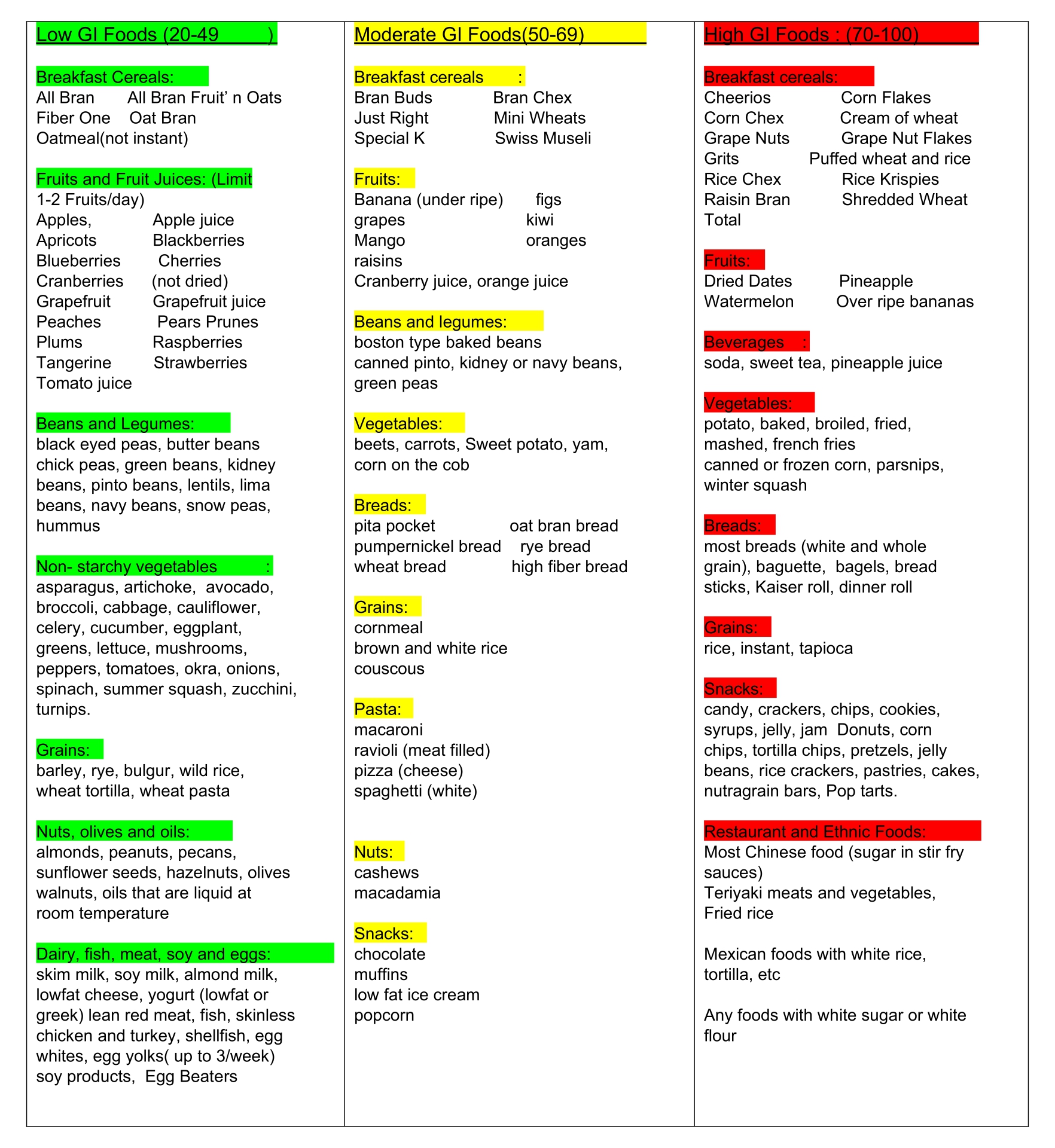
Glycemic index (GI) is a measure of how quickly foods containing carbohydrates raise blood sugar levels. Foods with a high GI are digested and absorbed more quickly, causing a rapid increase in blood sugar levels. This spike in blood sugar can lead to an energy crash and feelings of hunger shortly after eating. In contrast, foods with a low GI are digested and absorbed more slowly, resulting in a gradual rise in blood sugar levels that may help maintain energy levels over time.
Understanding the glycemic index can be helpful for individuals looking to manage their blood glucose levels or improve their overall health through diet. While some people may benefit from following a low-GI diet, it’s important to note that not all high-GI foods are unhealthy and not all low-GI foods are healthy. For example, many fruits have a high GI due to their natural sugars but also provide important vitamins and minerals.
Factors such as food processing methods, cooking techniques, and even individual differences in digestion can affect the glycemic index of different foods. As such, it’s best to use the glycemic index as just one tool when making dietary choices rather than relying on it exclusively.
When choosing carbohydrates to include in your diet, opt for whole grains like brown rice or quinoa over refined grains like white bread or pasta. These whole grain options tend to have lower GI values because they contain fiber which slows down digestion.
Additionally, pairing carbohydrates with protein or healthy fats can help slow down digestion and prevent spikes in blood sugar levels. For example, try pairing apple slices with almond butter or adding nuts to oatmeal for breakfast.
Overall, understanding the glycemic index can be an effective way to make informed dietary choices that may promote better health outcomes for individuals managing diabetes or striving for overall wellness through healthy eating habits.

Leave a Reply