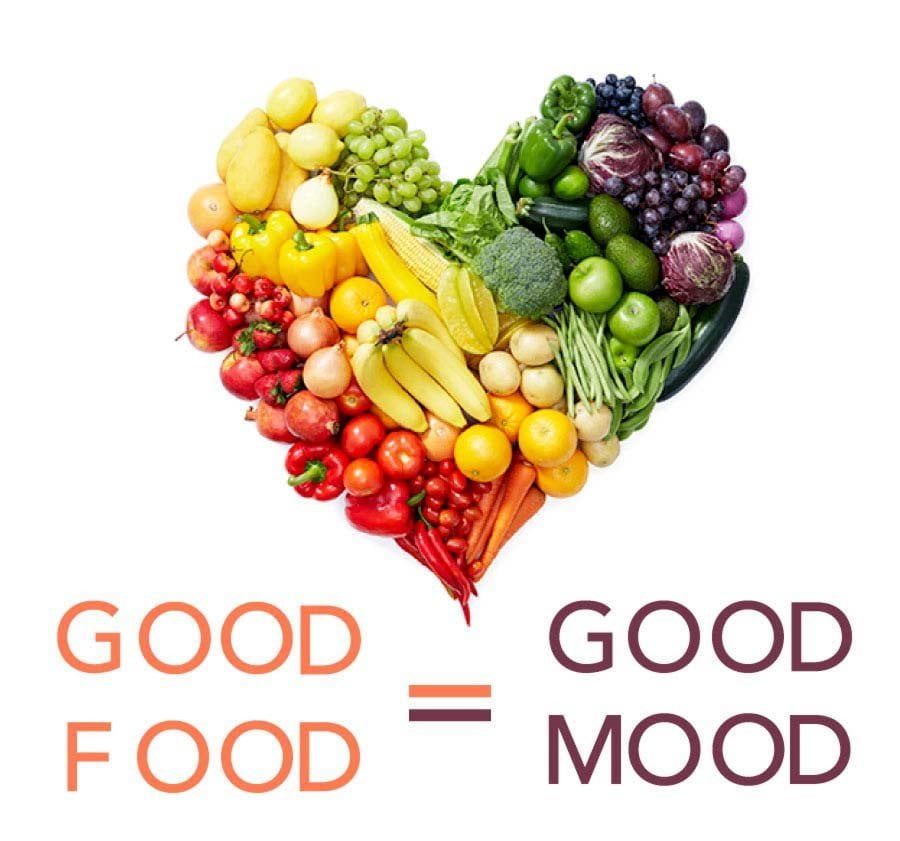
Mental Health and Healthy Eating: A Comprehensive Guide
Mental health is a critical aspect of our overall well-being, and it has become increasingly clear that what we eat can play a significant role in maintaining good mental health. In this post, we will explore the connection between healthy eating and mental health.
The link between diet and mental health
Studies have shown that people who follow a healthy diet are less likely to experience depression, anxiety, and other mood disorders. The reason for this is simple – the food we eat affects the way our brains function. Our brain needs nutrients like vitamins, minerals, essential fatty acids, proteins, carbohydrates to function correctly. When deprived of these nutrients or fed with unhealthy foods (processed foods high in sugar or fat), it can lead to inflammation in the body and affect cognitive functions.
On the flip side, consuming nutrient-dense diets can help improve mood regulation by reducing inflammation levels in the body. Nutrients such as omega-3 fatty acids found in oily fish like salmon help regulate neurotransmitters such as dopamine which helps boost mood.
Eating patterns that support good mental health
While there isn’t one specific “brain food” that will magically cure all our mental health problems overnight; research suggests some dietary changes could significantly benefit individuals with mood disorders:
1) Eat more whole foods: Whole plant-based foods should make up most of your meals if you want to maintain optimal physical and emotional health. These include vegetables (leafy greens such as spinach or kale), fruits (berries are especially rich in antioxidants), legumes (beans), nuts/seeds.
2) Reduce processed foods: Processed junk food contains added sugars/salt which increases inflammation levels leading to poor moods.
3) Increase fiber intake: Fiber-rich foods also aid digestion while promoting balanced blood sugar levels which contribute positively towards positive moods.
4) Limit caffeine/alcohol consumption: Caffeine stimulates your central nervous system leading to feelings of anxiety or nervousness, while too much alcohol can lead to depression.
5) Stay hydrated: Drinking enough water throughout the day is crucial for maintaining optimal brain function and reducing mood swings.
6) Eat a balanced diet: A well-rounded diet that includes all essential nutrients helps ensure our bodies are functioning correctly. Ensure you include lean proteins in your meals like chicken, fish and turkey.
The Mediterranean Diet
One dietary approach that has proven effective in promoting good mental health is the Mediterranean Diet. This eating pattern emphasizes whole foods such as fruits, vegetables, legumes, nuts/seeds while minimizing processed junk food and added sugars/salt. It also incorporates moderate amounts of healthy fats (olive oil), lean protein sources (chicken/fish), and red wine.
Studies show that this eating pattern may help reduce symptoms of depression/anxiety by up to 30%. The reason for this could be due to its high antioxidant content found mainly in fresh fruits/vegetables/nuts which promote good mental health outcomes.
Gut Health
Our gut microbiome plays an important role in our overall physical and emotional health. Research suggests there’s a connection between gut health and mental health – unhealthy gut flora contributes towards poor moods.
Foods like fermented vegetables/yogurt contain beneficial bacteria known as probiotics. These types of “good” bacteria have been shown to improve gut microbiota diversity leading to better mood regulation.
Probiotics work alongside prebiotic fiber-rich foods such as onions/garlic/apples/oats; these feed the good bacteria allowing them to thrive even more!
Supplements
While it’s best always recommended getting your nutrients from whole foods; sometimes supplements can be beneficial when we’re not able to get everything from our diets entirely:
1) Omega-3 fatty acids: if you’re not consuming oily fish regularly, consider supplementing with a high-quality omega-3 supplement (fish oil).
2) Probiotics: if you’re not a fan of fermented foods, consider taking a probiotic supplement to improve gut health.
3) B vitamins: B vitamins play an important role in our nervous system’s functioning. They are found mainly in animal products such as eggs/meat/milk, so it’s essential for vegetarians/vegans to consider supplementation.
Conclusion
In conclusion, the food we eat has a significant impact on our mental health. Eating whole foods while minimizing processed junk food/sugars/salt can significantly benefit individuals with mood disorders.
The Mediterranean Diet is an excellent eating pattern that promotes good mental health outcomes due to its high antioxidant content and nutrient-dense profile.
Supplements can also be beneficial when we’re unable to get everything from our diets entirely; Omega-3 supplements (fish oil), Probiotics, and B-vitamins are great options.

Leave a Reply