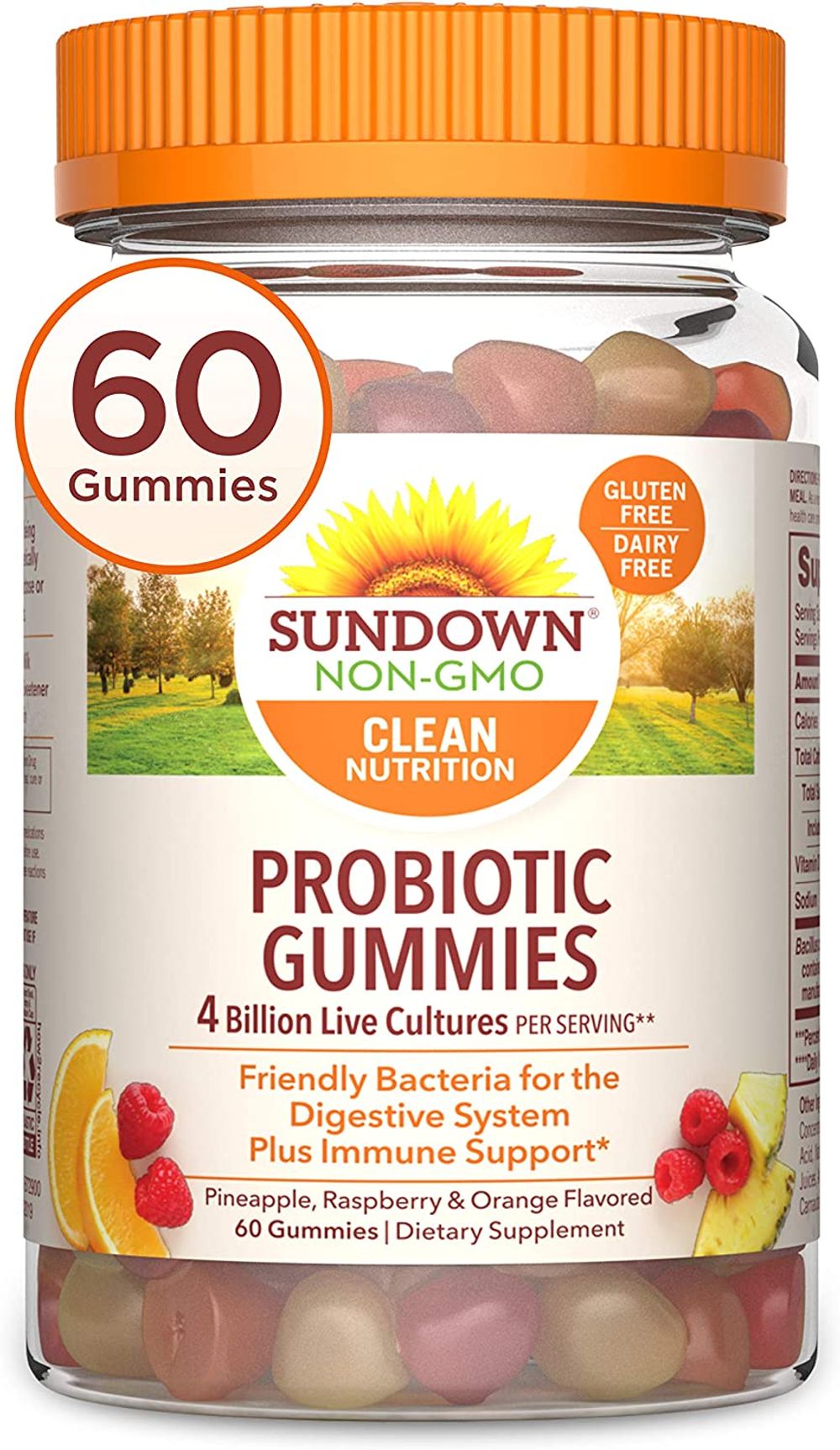
Gluten-Free Probiotic Sources for a Healthy Gut
Probiotics are good bacteria that help keep our gut healthy. They can be found in many foods, but it’s important to choose gluten-free sources if you have celiac disease or gluten sensitivity. In this article, we’ll explore some of the best gluten-free probiotic sources that you can easily incorporate into your diet.
1. Yogurt
Yogurt is one of the most popular probiotic sources and is naturally gluten-free. Look for plain yogurt with live and active cultures, as added sugars and flavorings may reduce its beneficial effects on the gut. Greek yogurt has more protein than regular yogurt and is thicker due to straining out excess liquid.
2. Kefir
Kefir is a fermented drink made from milk or water kefir grains that contain various strains of probiotics. It’s similar to yogurt but has a tangier taste and thinner consistency, making it ideal for smoothies or salad dressings. Some brands offer flavored kefir with added sugar or fruit juice, so read labels carefully.
3. Kimchi
Kimchi is a traditional Korean dish made from fermented cabbage, radish, scallions, garlic, ginger, and chili paste seasoned with salt fish sauce or shrimp paste (omit if vegetarian). It’s rich in lactic acid bacteria such as Lactobacillus plantarum and Leuconostoc mesenteroides that aid digestion and boost immunity.
4. Sauerkraut
Sauerkraut is another type of fermented cabbage but without spicy seasonings like kimchi. It originated in Germany but has become popular worldwide due to its sour taste and crunchy texture in sandwiches or hot dogs toppings (use GF buns). Sauerkraut contains fiber and vitamin C besides lactobacilli such as Lactobacillus brevis.
5. Miso
Miso is a Japanese seasoning made from fermented soybeans, rice, or barley that adds umami flavor to soups, marinades, or dressings. It’s also high in protein and calcium but may contain gluten if made with barley (look for GF miso). Miso paste can be found in Asian grocery stores or online retailers.
6. Tempeh
Tempeh is another soy-based product similar to tofu but firmer and denser due to fermentation with Rhizopus mold. It’s a good source of protein, fiber, iron, and vitamin B12 besides probiotics like Bacillus subtilis and Lactobacillus plantarum. You can marinate tempeh slices before grilling or baking them as a meat alternative.
7. Kombucha
Kombucha is a trendy beverage made from sweetened tea fermented with SCOBY (Symbiotic Culture Of Bacteria and Yeast) that resembles a jellyfish-like colony. It has a slightly effervescent taste due to organic acids such as acetic acid produced during fermentation by bacteria like Gluconacetobacter xylinus. Some brands add fruit juice or herbs for flavoring.
8. Pickles
Pickles are cucumbers soaked in vinegar brine seasoned with dill weed or other spices such as garlic cloves or peppercorns for extra flavor. They’re low in calories but high in sodium so choose lower-sodium options if watching your blood pressure levels. Pickles contain lactic acid bacteria such as Lactobacillus brevis besides antioxidants like vitamin C.
9. Sourdough bread
Sourdough bread is made from naturally fermented dough of flour and water without added yeast but using wild yeasts and lactobacilli present in the air or on the grain surface instead (use GF flours). This process gives sourdough bread its characteristic tangy taste and chewy texture besides producing lactic and acetic acids that lower the glycemic index and increase mineral availability.
10. Vegan probiotics
If you’re vegan or dairy-free, you can still get your daily dose of probiotics from non-dairy sources such as:
– Fermented nut milk (e.g., almond milk kefir)
– Fermented soy products (e.g., tempeh, miso)
– Fermented vegetables (e.g., kimchi, sauerkraut)
– Probiotic supplements made from plant-based strains (e.g., Lactobacillus acidophilus DDS®)
In conclusion, incorporating gluten-free probiotic sources into your diet may help improve your gut health and overall well-being. Choose a variety of fermented foods to ensure a diverse range of beneficial bacteria and consume them regularly in moderation. Consult with a healthcare professional if you have any concerns about probiotic intake or digestive issues.

Leave a Reply