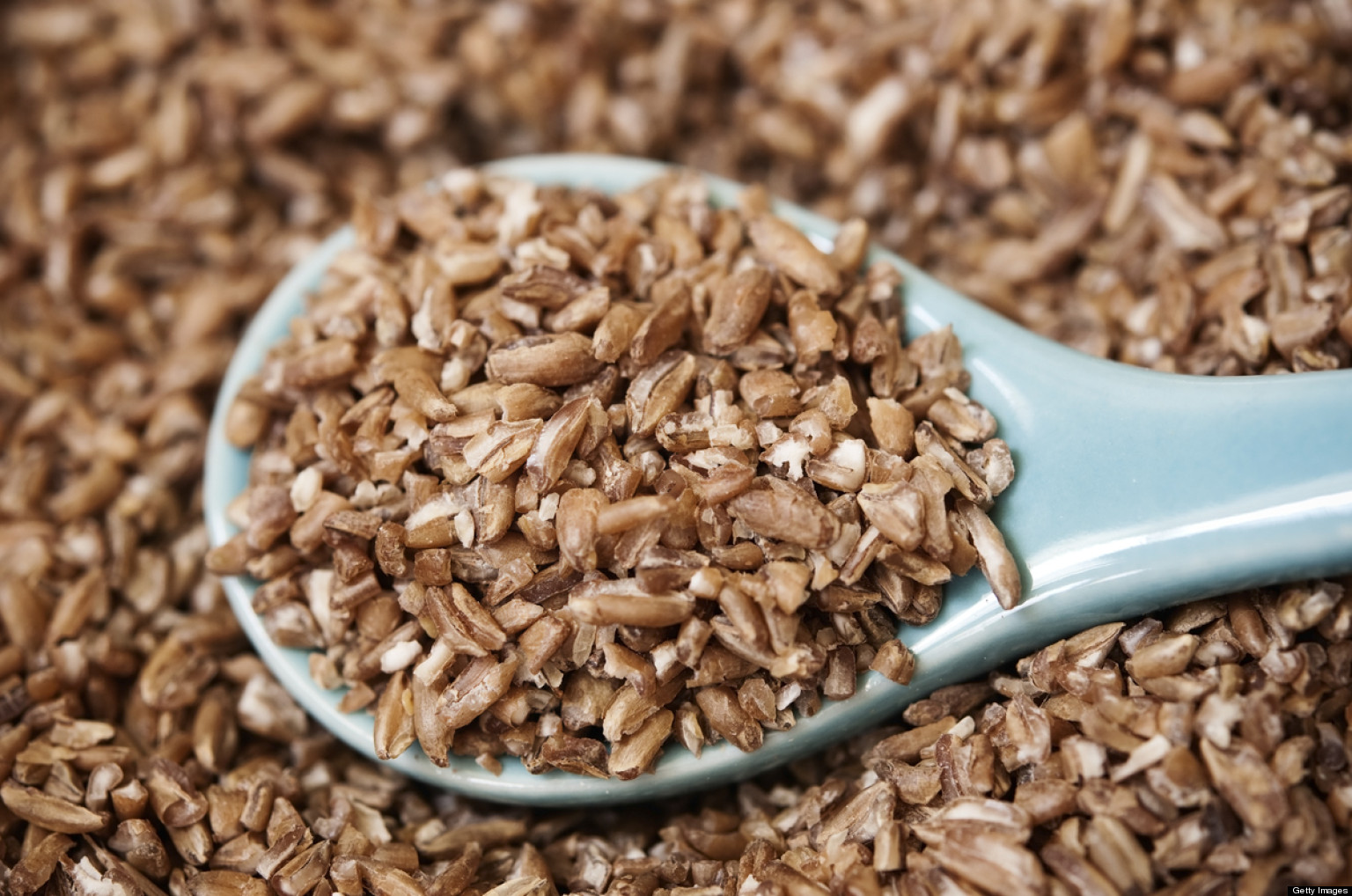
Whole grains are an essential part of a healthy diet and have been linked to numerous health benefits. Unlike refined grains, whole grains contain the entire grain kernel, including the bran, germ, and endosperm, which means they are richer in fiber, vitamins, minerals, and other nutrients.
Here’s everything you need to know about whole grains:
👉 Check it out: Shop Health Supplements on Amazon
What Are Whole Grains?
👉 Check it out: Shop Fitness Tracker on Amazon
Whole grains refer to any cereal or pseudocereal that contains all three parts of the grain kernel. Some common examples include wheat, barley, oats, brown rice, quinoa, millet, cornmeal buckwheat.
These foods come in many forms such as breads made from whole wheat flour or crackers with whole-grain ingredients. They can also be consumed as hot cereals for breakfast or used as a base for salads.
Benefits Of Eating Whole Grains
1) Rich In Fiber: Whole-grain foods are much higher in fiber than their refined counterparts since most of the fiber is found in the bran and germ layers that get stripped away during processing.
2) Lower Risk Of Heart Disease: Studies have shown that consuming more whole-grain foods may reduce your risk of heart disease by lowering blood pressure levels and decreasing inflammation throughout your body.
3) Reduced Risk Of Type 2 Diabetes: Consuming more whole-grain foods has been linked to lower insulin resistance levels which decreases the risk of developing type 2 diabetes.
4) Helps With Weight Management: Since high-fiber diets keep you feeling full longer than low-fiber diets this helps manage weight loss efforts while maintaining satiety (feeling full).
5) May Reduce The Risk Of Cancer: Several studies suggest that eating more whole grain-rich diets may decrease your risk of certain cancers like colon cancer by up to 20%.
How To Incorporate More Whole Grains Into Your Diet
One way is switching white bread with a loaf made from 100% whole wheat flour. Another is swapping white rice for brown rice or wild rice. Instead of refined breakfast cereals, choose oatmeal or other whole-grain hot cereals. Try using quinoa in salads or as a substitute for pasta.
You can also look to try out different grains like farro, barley, and bulgur that are incredibly versatile and offer great textures and flavors.
Conclusion
Whole grains provide essential nutrients, fiber content, and have been linked to numerous health benefits such as reducing the risk of heart disease and lowering insulin resistance levels. A simple way to incorporate more into your diet is by swapping out traditional processed grains with their whole grain counterparts.
🛒 Recommended Products
As an Amazon Associate, we earn from qualifying purchases.
Disclosure: This post contains Amazon affiliate links. As an Amazon Associate, we earn from qualifying purchases at no additional cost to you.

Leave a Reply