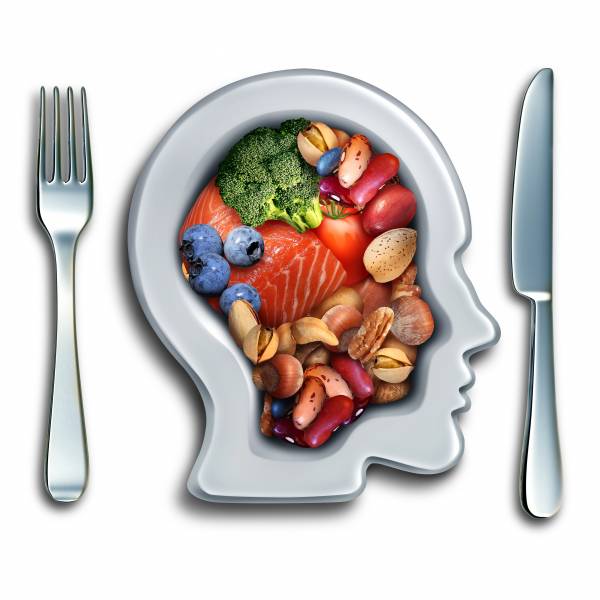
Brain Function and the Importance of Healthy Eating
The human brain is the control center of the body, responsible for all our thoughts, emotions, and actions. As such, it is essential to keep it in top condition through proper nutrition and a healthy lifestyle. In this post, we will take a closer look at how food affects brain function and what you can do to optimize your cognitive abilities.
Firstly, let’s explore some key nutrients that are crucial for brain health:
Omega-3 Fatty Acids: These are found in oily fish (such as salmon and sardines), flaxseeds, chia seeds, walnuts, soybeans and other sources. Omega-3s play an important role in maintaining cell membranes throughout the body including those in the brain cells; they also help to reduce inflammation which can damage these cells over time.
Antioxidants: Foods rich in antioxidants like berries (blueberries particularly), dark chocolate/cocoa powder or green tea – have been shown to protect against oxidative stress that can lead to memory decline.
Vitamins B6 & B12 – both vitamins work alongside each other to support healthy nerve function; Vitamin B6 is needed for neurotransmitter production whilst vitamin B12 helps with DNA synthesis along with supporting myelin sheath production; delays in either area could result in depression-like symptoms or cognitive impairment.
Additionally macronutrients such as carbohydrates provide energy for our brains so choosing complex carbohydrates e.g., whole grains over simple sugars will prevent blood sugar spikes/ crashes which can impact mood stability or contribute towards developing type 2 diabetes later on life if left unchecked.
Now that we understand some key nutrients required by our brains let’s dive into how unhealthy eating habits affect us:
Fatigue – Consuming too much caffeine/sugar may cause short term energy boosts but long-term harm via disrupting sleep cycles leading to exhaustion during waking hours.
Depression/anxiety – Poor nutrition is linked to depression and anxiety due to a lack of key nutrients affecting hormone production (such as serotonin); whilst in the short term overeating high levels of sugar/salt/fat may lead to temporary mood improvement, it ultimately can cause further damage by exacerbating pre-existing mental health conditions.
Memory Impairment – Consuming trans fats which are commonly found in fast food outlets or processed snack foods have been known to contribute towards memory decline; this type of fat has also been shown to increase inflammation within the body leading towards a higher risk for developing chronic diseases like heart disease/Alzheimer’s.
Now we understand how proper nutrition is essential for optimal brain function. Here are some tips on what you can do to incorporate healthy eating habits into your lifestyle:
1. Choose whole foods over processed ones – fresh vegetables, fruits, lean meats like chicken/turkey or vegetarian protein sources e.g., beans/lentils provide our brains with essential vitamins/minerals/protein needed for optimal functioning.
2. Limit intake of added sugars – be mindful about reading labels when purchasing packaged goods and avoiding drinks such as soda/juice that contain high amounts of sugar.
3. Drink enough water – dehydration leads to cognitive impairment so make sure you’re drinking at least 8 cups per day!
4. Get enough sleep – restful sleep allows our brains time repair themselves from daily wear & tear, aim for 7-9 hours each night.
In conclusion, our brains require adequate nutrition just like any other organ in the body. By incorporating healthy eating habits into your lifestyle, you will optimize your cognitive abilities and promote overall wellbeing!

Leave a Reply