Gluten intolerance and celiac disease are two conditions that are often confused with each other. While both involve a sensitivity to gluten, there are important differences between them.
Celiac disease is an autoimmune disorder that affects the small intestine. When someone with celiac disease eats gluten, their immune system reacts by damaging the lining of their small intestine. This can lead to malabsorption of nutrients and a variety of symptoms including abdominal pain, diarrhea, and nutritional deficiencies. Celiac disease requires strict adherence to a gluten-free diet for life.
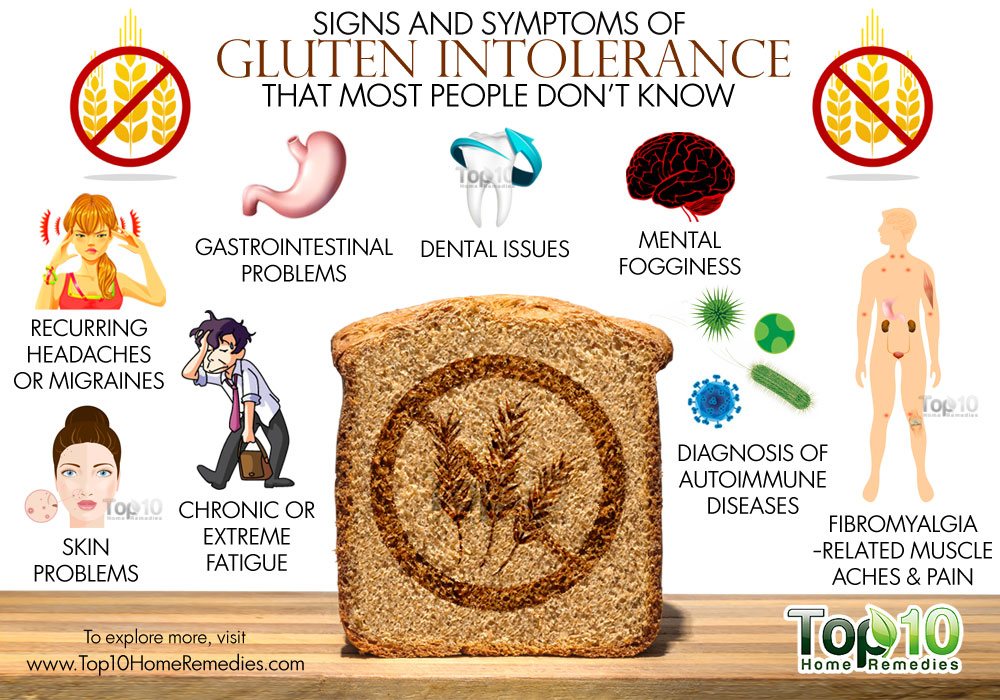
On the other hand, gluten intolerance or non-celiac gluten sensitivity (NCGS) is not an autoimmune disorder but rather a more general term used to describe individuals who experience adverse symptoms in response to consuming gluten but do not have celiac disease or wheat allergy. Symptoms can include bloating, abdominal discomfort, fatigue and headaches among others.
While there is no specific diagnostic test for NCGS at this time, the condition seems to be real based on anecdotal evidence from those affected by it.
In conclusion, while similar in some respects these two conditions require different approaches when it comes to diagnosing and managing them effectively over the long term.

Leave a Reply