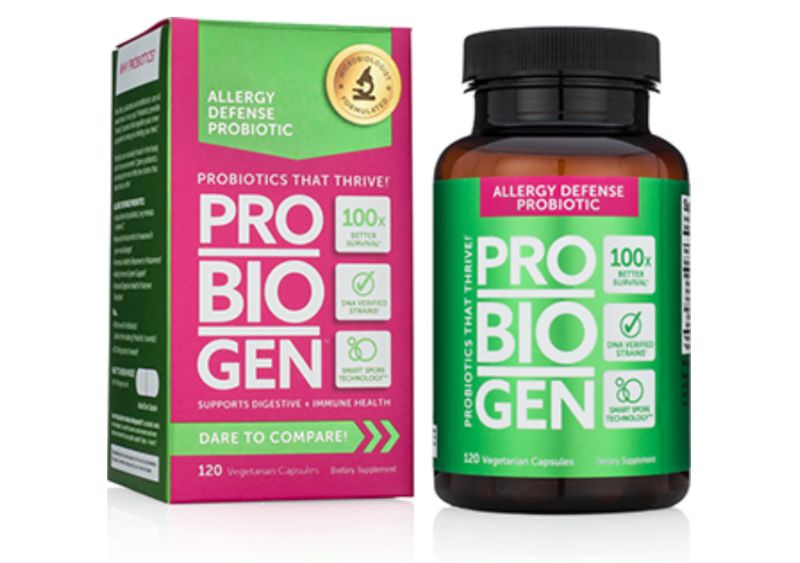
Probiotics and Allergies/Sensitivities/Intolerances: How They Can Help
Probiotics are living microorganisms that live in our bodies, mainly in the gut. These microorganisms help to maintain a healthy balance of good bacteria and bad bacteria in the digestive system. Probiotics have been shown to be beneficial for many health conditions, including allergies, sensitivities, and intolerances.
Allergies occur when the immune system overreacts to an allergen, such as pollen or pet dander. Sensitivities can occur when certain foods or environmental factors trigger symptoms like bloating or headaches. Intolerances happen when your body cannot properly digest certain foods due to a lack of enzymes or other issues.
Studies show that probiotics can help alleviate these symptoms by improving overall gut health and reducing inflammation throughout the body.
Here’s how:
1. Boosting Immunity
One way probiotics can be helpful is by boosting immunity. A strong immune system helps prevent allergic reactions from occurring in the first place. Studies have shown that probiotics can improve immune function by increasing levels of antibodies and white blood cells.
2. Reducing Inflammation
Inflammation is a natural response that occurs when there is an injury or infection in the body; however, chronic inflammation has been linked to various diseases like asthma, eczema, and autoimmune disorders. Probiotics have been found to reduce inflammation by producing anti-inflammatory compounds like butyrate.
3. Restoring Gut Health
A healthy gut is crucial for overall health since it houses 70% of our immune system cells (Source: NCBI). When we eat unhealthy foods or take antibiotics frequently, we damage this delicate balance between good bacteria vs bad bacteria leading to various illnesses including food intolerance/sensitivity/allergy-type reactions (Source: Harvard Health Blog).
Taking probiotics helps restore this balance because they contain beneficial strains of bacteria that help improve digestion and nutrient absorption, which can reduce symptoms like bloating, constipation or diarrhea.
4. Enhancing Enzyme Production
Probiotics have been shown to enhance enzyme production in the gut, which is essential for proper digestion of carbohydrates, proteins, and fats. This helps with food intolerances by making it easier for people to digest foods that they may otherwise struggle with.
5. Reducing Candida Overgrowth
Candida is a type of yeast that can cause various health problems when overgrown in the body. Probiotics have been found to be effective at reducing candida overgrowth by introducing healthy bacteria into the gut.
So what types of probiotics are best for allergies/sensitivities/intolerances?
There are many different strains of probiotics available on the market; however, not all strains work equally well for every person or condition (Source: Harvard Health Blog). Here are some popular ones you might consider:
1. Lactobacillus acidophilus – useful for those who have lactose intolerance as it breaks down lactose faster.
2. Bifidobacterium bifidum – helpful for those who suffer from IBS and other digestive issues.
3. Streptococcus thermophilus – good at reducing inflammation caused by food allergens.
4. Lactobacillus rhamnosus GG – useful in preventing eczema in children.
5. Saccharomyces boulardii – known to help with diarrhea caused by antibiotics use.
It’s important to note that not all probiotic supplements contain these strains so make sure you do your research before buying any products.
You can also get probiotics naturally through fermented foods like yogurt (with live cultures), kefir, sauerkraut or kimchi as these foods provide more variety vs supplement form alone (Source: NCBI).
In conclusion:
Probiotics can be an effective way to help alleviate symptoms of allergies, sensitivities, and intolerances. They work by boosting immunity, reducing inflammation, restoring gut health, enhancing enzyme production and reducing candida overgrowth.
When choosing a probiotic supplement or fermented food source, be sure to select the right strain(s) for your specific needs. And always consult with your doctor before starting any new supplements or treatment plans.
Overall, incorporating probiotics into your diet may help improve your overall health and wellbeing.

Leave a Reply