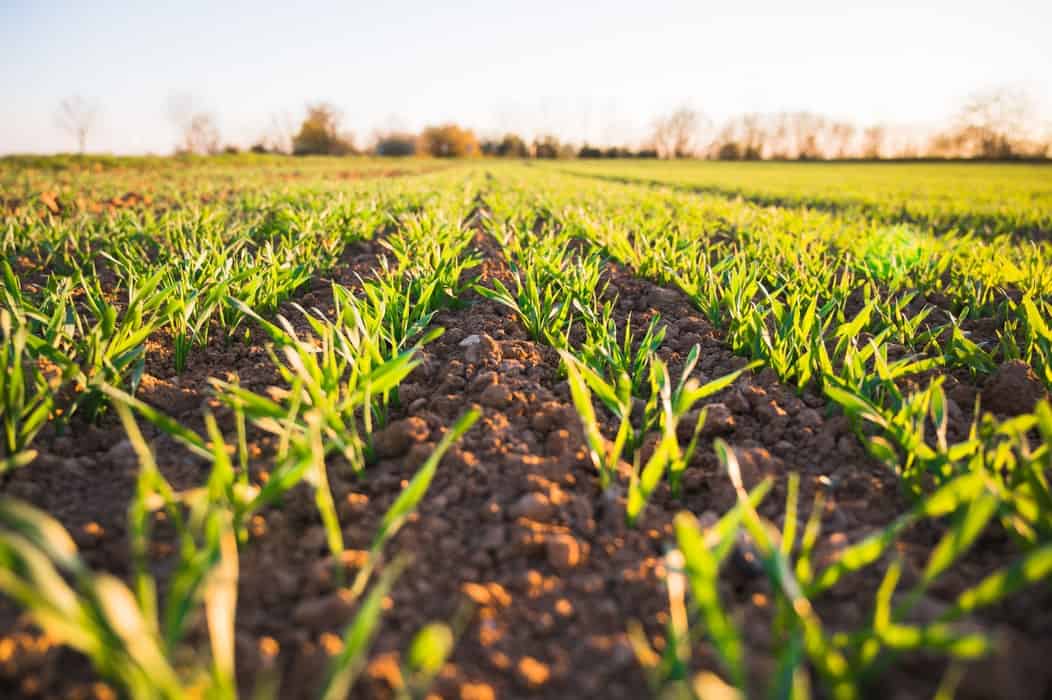
Regenerative agriculture is a farming practice that seeks to improve the health of the soil, water, and ecosystem while producing food. This method involves using techniques like crop rotation, cover cropping, and reduced tillage to build soil fertility and reduce erosion. Regenerative agriculture also emphasizes the use of natural resources such as compost and manure instead of synthetic fertilizers.
Urban farming is becoming increasingly popular in cities around the world. Urban farms are typically small-scale operations that grow crops or raise livestock on rooftops, vacant lots, or even in abandoned buildings. These farms provide fresh produce for local communities while also promoting sustainable living practices.
Permaculture is a system of designing agricultural ecosystems based on principles found in nature. The goal of permaculture is to create self-sustaining systems that require minimal inputs from humans. Permaculture designs often incorporate elements like companion planting, polycultures (multiple crops grown together), animal integration (raising animals alongside crops), and water harvesting.
Biodynamic farming takes a holistic approach to agriculture by viewing farms as living organisms that must be nurtured to maintain balance. Biodynamic farmers use preparations made from natural materials like cow horns filled with manure or herbs to enhance soil quality and plant growth. They also work with lunar cycles when planting and harvesting crops.
Community-supported agriculture (CSA) connects consumers directly with local farmers who grow their food. Customers pay upfront for a share of the farm’s harvest throughout the growing season. This model supports small-scale farmers while providing fresh produce for members at an affordable price.
The slow food movement promotes traditional cooking methods using locally sourced ingredients prepared from scratch rather than processed foods containing additives or preservatives.The heritage breeds of livestock refer to traditional breeds that have been raised for centuries before industrialized breeding took over modern-day meat production.These animals are often well-suited for specific climates or regions but may not be as profitable as more common breeds due to slower growth rates or lower yields.
Wild foraging involves gathering edible plants from the wild. This practice can provide a variety of fresh and nutritious foods while also promoting a deeper connection to nature.
Fermentation and pickling are ancient techniques used to preserve food by creating an environment where beneficial bacteria can thrive. Fermented foods like sauerkraut, kimchi, and kefir have been shown to improve digestion and boost immunity. Pickling is another technique that uses vinegar or brine to preserve vegetables such as cucumbers, beets, or carrots.
Aquaponics combines aquaculture (fish farming) with hydroponics (growing plants in water without soil) in a closed-loop system where fish waste provides nutrients for plant growth. This method is highly efficient at producing both fish and vegetables while using minimal water compared to traditional farming methods.
Seed saving involves collecting seeds from crops each season and replanting them the following year. This practice helps preserve genetic diversity in our food supply while also promoting self-reliance among farmers.
Heirloom vegetables refer to varieties that have been passed down through generations of growers rather than being bred for commercial production.These varieties often come in unique shapes,sizes,and colors that add diversity on plates.Grass-fed vs grain-fed meat refers to how animals are raised; grass-fed cattle eat only grasses throughout their lives whereas grain-fed cattle may consume corn or other grains which may alter their nutrient composition.Food waste reduction includes strategies like composting leftover food scraps instead of sending them to landfills which create methane gas emissions.Farm-to-school programs seek to connect schools with local farms so that children learn about agriculture and healthy eating habits.Ethical treatment of farm animals focus on animal welfare which includes providing adequate space,nourishment,and healthcare.Soil health practices include conservation approaches such as no-till planting,minimal use of pesticides/fertilizers,and cover cropping.Native plants act as natural pest deterrents,provide habitat for beneficial insects,and help maintain balanced ecosystems.Agroforestry integrates trees with crops or animals which can improve soil quality,reduce erosion,and provide additional income streams.Small-scale dairy production is a system where farmers raise a small number of cows and use traditional methods to produce milk and cheese products.
In conclusion, these practices promote sustainable agriculture by restoring the health of the ecosystem while producing healthy food for communities. By incorporating these methods into our agricultural systems, we can build resilience to climate change while creating a more equitable and just food system for all.

Leave a Reply