Whey Protein: An Essential Nutrient for a Healthy Diet
As people become more health-conscious, they look for ways to improve their diet and achieve their fitness goals. One of the most popular supplements among athletes, bodybuilders and fitness enthusiasts is whey protein. Whey protein is derived from milk and has been shown to be an effective supplement for muscle growth, weight loss, and overall health.
In this post, we will explore what whey protein is, its benefits and how it can be incorporated into a healthy lifestyle.
What is Whey Protein?
Whey protein is the liquid that separates from milk during cheese production. It contains all nine essential amino acids that are necessary for building muscles and repairing tissues in the body. There are three types of whey proteins: concentrate, isolate, and hydrolysate.
Concentrate whey protein contains about 70-80% protein by weight but also includes some fat and lactose. Isolate whey protein undergoes further processing to remove most of the fat and lactose content resulting in a product containing 90% or more protein by weight. Hydrolysate whey protein has undergone partial hydrolysis which makes it easier to digest but also increases its cost compared to other forms of whey proteins.
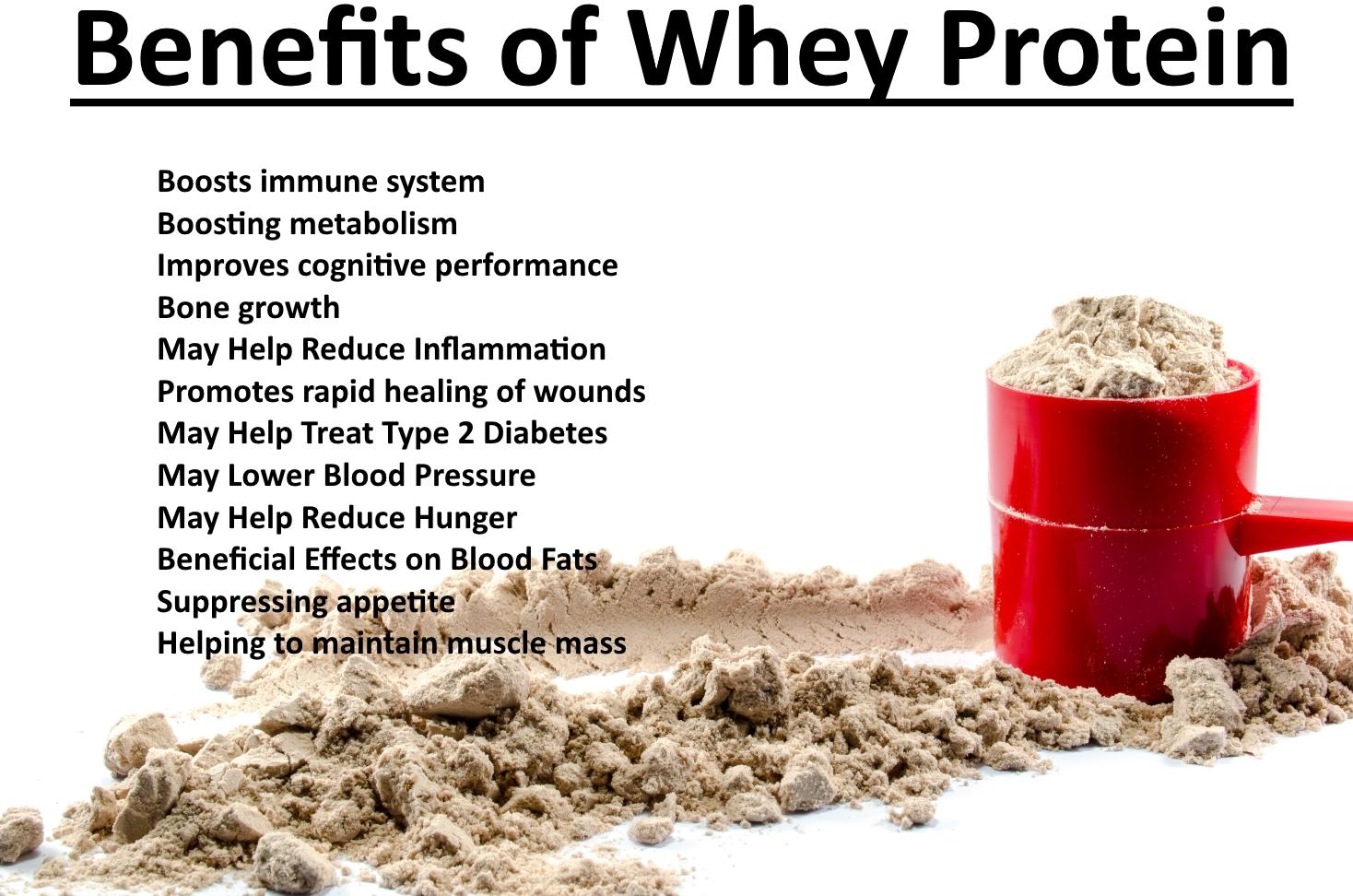
Benefits of Whey Protein
1) Muscle Growth
One of the primary reasons why people consume whey proteins is because it aids in muscle growth. When consumed after exercise or physical activity that stresses your muscles like strength training or resistance exercises, it provides essential amino acids needed by your body to repair damaged tissues while stimulating muscle hypertrophy (growth).
A study published in The Journal of Nutrition found that consuming 20g of high-quality casein or whey proteins right after exercising led to increased muscle synthesis compared with consuming carbohydrates alone (1).
2) Weight Loss
Whey protein may help with weight loss as well by reducing appetite through increased satiety. A study published in the British Journal of Nutrition found that whey protein was more satiating than casein or soy protein, which led to reduced calorie intake (2).
Additionally, Whey protein has a high thermic effect – meaning your body burns more calories digesting it compared to other macronutrients like carbohydrates and fats.
3) Lowered Blood Pressure
Several studies have shown that consuming whey proteins may help reduce blood pressure in people with hypertension. In a 12-week double-blind randomized controlled trial, participants who consumed 54g of whey protein per day had significantly lower systolic blood pressure compared with those who received an isocaloric carbohydrate drink (3).
4) Improved Immunity
Whey Protein contains immunoglobulins and lactoferrin, two bioactive compounds known for their immune-boosting effects. They help fight off infections by increasing the number of white blood cells such as lymphocytes and neutrophils needed by our bodies to fight infections.
5) Reduced Inflammation
Inflammation is a natural response by your body’s immune system when it senses any foreign invader or damage to tissues. However, chronic inflammation can lead to several diseases such as arthritis, diabetes, cancer, etc.
Studies show that consuming whey proteins daily can reduce inflammation markers like C-reactive protein (CRP), interleukin-6 (IL-6), and tumor necrosis factor-alpha (TNF-a). This reduction in inflammation markers could be due to the presence of cysteine – an amino acid found in high concentrations within whey proteins.
How To Incorporate Whey Protein Into Your Diet?
1) As A Post Workout Supplement: Take whey protein after strength training or resistance exercises. It will provide essential amino acids required for muscle repair and growth while stimulating hypertrophy.
2) As A Meal Replacement: Replace one meal with a low calorie, high-protein whey shake. This will help reduce overall calorie intake while providing essential nutrients required for muscle synthesis.
3) As A Snack: Consume a whey protein shake in between meals or as a snack. It provides satiety while keeping you full and satisfied until your next meal.
4) In Baked Goods: Whey protein can be added to baked goods like muffins, bread, and pancakes for an extra dose of protein.
Conclusion
Whey Protein is a complete protein that contains all nine essential amino acids needed by our bodies to build muscles, repair tissues and improve overall health. It offers several benefits such as muscle growth, weight loss, lower blood pressure, improved immunity and reduced inflammation. Incorporating whey protein into your diet through post-workout supplements or meal replacements can provide numerous health benefits while helping you achieve your fitness goals.

Leave a Reply