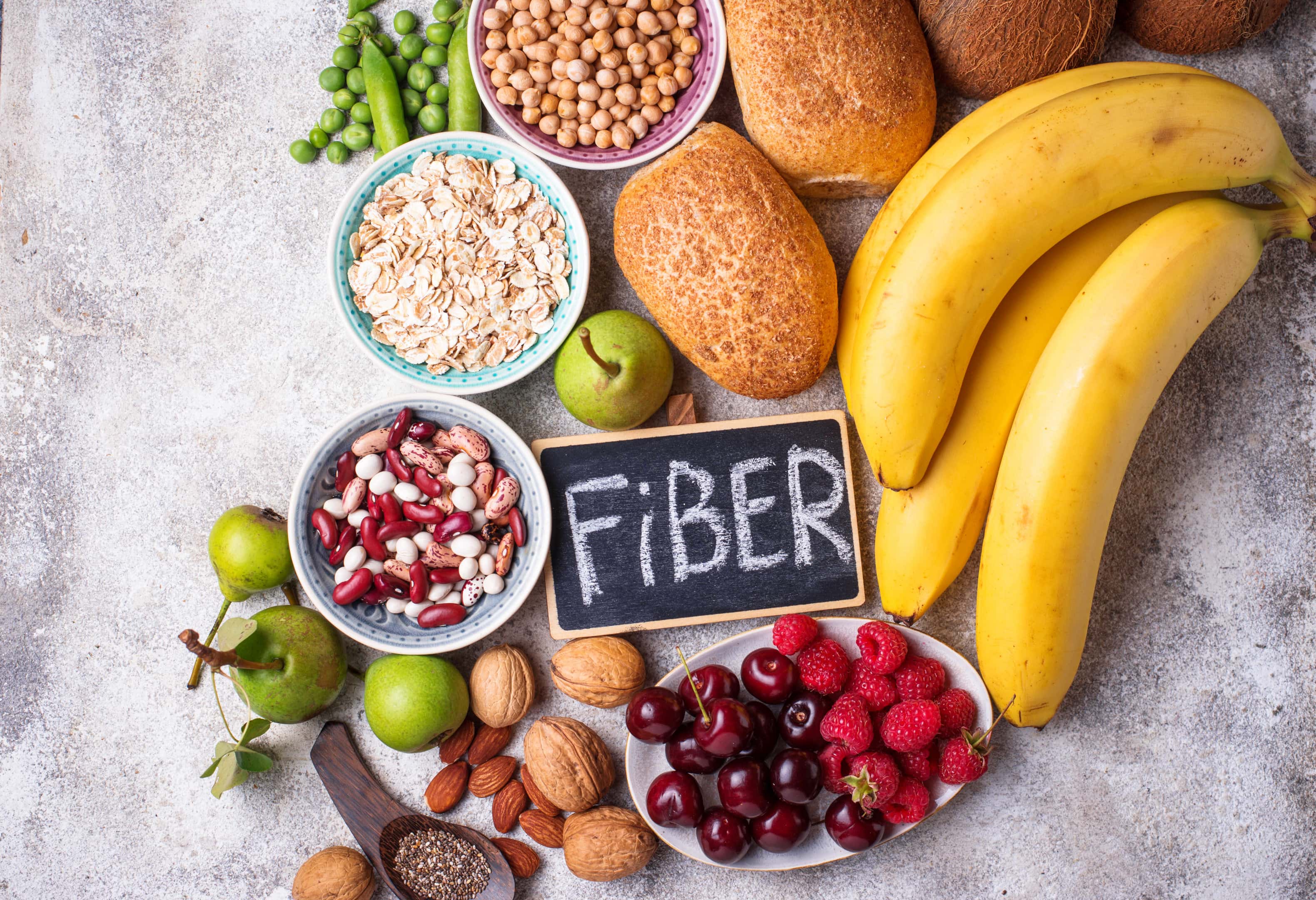
Fiber: The Key to a Healthy Diet
When it comes to maintaining a healthy diet, most people focus on counting calories or reducing their intake of unhealthy fats and sugars. However, there is one important nutrient that often goes overlooked: fiber.
What Is Fiber?
Fiber is the part of plant foods that our bodies can’t digest. Unlike other nutrients like carbohydrates, proteins, and fats, fiber passes through our digestive system largely intact. There are two types of fiber:
1. Soluble Fiber – This type of fiber dissolves in water and forms a gel-like substance in the gut. It can help lower cholesterol levels and regulate blood sugar levels.
2. Insoluble Fiber – This type of fiber does not dissolve in water but helps move waste through the digestive system more efficiently.
Why Is Fiber Important for Your Health?
There are many benefits to including sufficient amounts of dietary fiber in your daily diet:
1. Improved Digestive Health – Eating plenty of high-fiber foods can help prevent constipation by adding bulk to stools and promoting regular bowel movements.
2. Lowered Risk for Chronic Diseases – Studies have shown that diets high in fiber may reduce your risk for chronic diseases such as heart disease, stroke, diabetes, and some cancers.
3. Improved Weight Control – Because high-fiber foods tend to be more filling than low-fiber options like processed snacks or sugary drinks, eating a diet rich in fruits, vegetables, legumes (beans), nuts/seeds will leave you feeling fuller for longer periods which could lead to reduced caloric intake over time.
4- Reduced Inflammation & Better Immune Functioning- High-fibre diets contribute positively toward good immune functioning since soluble fibre plays an essential role in lowering inflammation levels throughout the body by feeding beneficial gut bacteria present within the large intestine which further enhances overall immunity support
How Much Fiber Do You Need?
The recommended daily intake varies depending on age and gender. For adults, the recommended daily intake is 25-30 grams for women and 38 grams for men. Unfortunately, most people fall short of this goal with the average American consuming only around half of their daily fiber requirement.
Tips for Increasing Your Fiber Intake:
1. Eat More Fruits and Vegetables: Aim to include at least five servings of fruits and vegetables in your diet each day.
2. Choose Whole Grains: Swap out refined grains like white bread or pasta with whole-grain options like brown rice or quinoa.
3. Incorporate Legumes (Beans) into Your Meals – Beans are a great source of both soluble and insoluble fiber, so try adding them to soups, stews, salads or as a side dish
4. Snack on Nuts/seeds: Nuts are an excellent source of fibre that can be eaten as snacks between meals instead of processed foods
5- Try Fiber Supplements : If you’re struggling to get enough fiber in your diet through food alone, consider taking a supplement such as psyllium husk powder which can be added easily to smoothies or water
In Conclusion
Fiber is an essential nutrient that plays a crucial role in maintaining good health by promoting proper digestion and reducing the risk for chronic diseases such as heart disease, diabetes, stroke etc.. By including more high-fiber foods in your diet you could improve digestive health while lowering inflammation levels throughout your body which could further enhance overall immunity support . So make sure you’re getting enough fiber every day by incorporating some simple changes into what you eat!

Leave a Reply