Dehydrating: An Essential Tool for Healthy Eating
When it comes to healthy eating, dehydrating is an essential tool that can help preserve food for longer periods of time while maintaining the nutritional value. Dehydration involves removing moisture from food items such as fruits, vegetables, and meat through a drying process. This method of preserving food has been used for centuries and has become increasingly popular in recent times due to its many benefits.
In this post, we will discuss the advantages of dehydrating and how you can use this method in your everyday life to maintain a healthy diet.
Benefits of Dehydrating
1. Preserves Nutrients: Dehydration preserves the nutrients in fruits, vegetables, and meats by removing only water content while leaving behind all other minerals and vitamins present in them. This means that you get to enjoy nutrient-dense foods for longer without worrying about losing any essential nutrients.
2. Reduces Waste: Dehydration is an excellent way to reduce waste since it allows you to extend the shelf-life of foods that would otherwise go bad quickly. By dehydrating excess produce or bulk purchases, you can save money on groceries while reducing food waste.
3. Convenient Storage: Dried foods take up less space than fresh produce; thus they are easier to store without taking up too much room in your pantry or fridge. They are also lightweight and portable compared to their fresh counterparts making them ideal for camping trips or long hikes.
4. Easy Snacking Option: Dried fruits make great snacks because they are naturally sweet and contain no added sugars which makes them a healthier alternative compared with most processed snack options available today.
5. Versatile Ingredient: The possibilities with dried ingredients are endless! You can add them to savory dishes like soups or stews or use them as toppings on salads or oatmeal bowls for added texture and flavor.
How To Get Started With Dehydrating
Getting started with dehydration requires minimal investment in equipment and a little bit of patience.
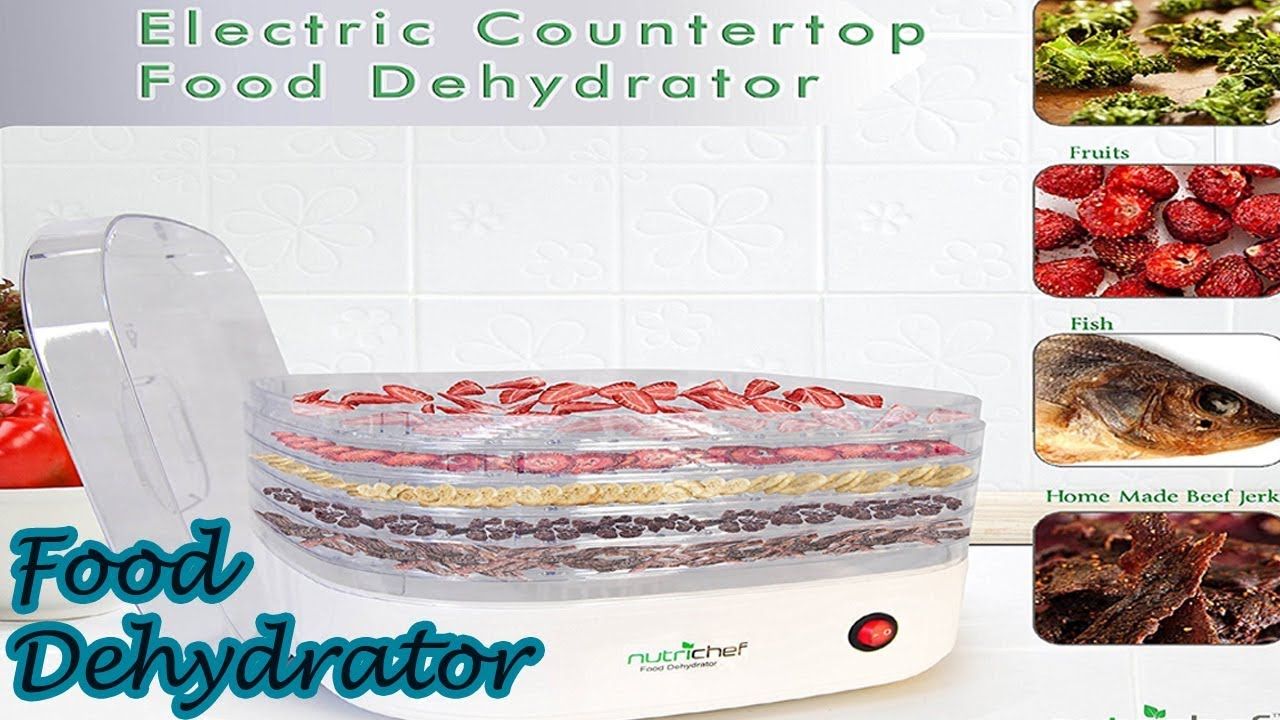
1. Select Your Equipment: A dehydrator is the most efficient way to dry food items, and you can find them at different price points depending on your budget. If you’re not ready to invest in a dehydrator yet, you can also use an oven by setting it to its lowest temperature and leaving the door slightly open for air circulation.
2. Choose Your Produce: Almost any fruit or vegetable can be dried, but some work better than others. Fruits like apples, bananas, strawberries, blueberries are great options while vegetables like carrots, green beans, zucchini are popular choices too.
3. Prepare Your Produce: Before drying your produce make sure to wash them thoroughly and slice them into uniform sizes for even dehydration. You can sprinkle spices or herbs on fruits or vegetables for added flavor if desired.
4. Dehydrate Your Produce: Place sliced produce onto trays with spaces between them for proper airflow then set the temperature according to what your recipe requires (usually 135-140°F) and leave it until they are fully dehydrated which could take anywhere from 6-24 hours depending on what you’re drying.
5. Store Properly: Once your dried foods have cooled down completely store them in an airtight container such as a mason jar or ziplock bag placed inside another container that keeps out light and moisture.
Tips For Successful Dehydration
1. Keep It Even: Make sure all slices of produce are cut into similar thicknesses so that they will dry evenly.
2. Check Frequently: Check periodically during the dehydration process to ensure everything is going according to plan; remove any pieces that are already dry before continuing the process with other parts still moist enough requiring more time under heat exposure
3.Use Parchment Paper Or Silicone Sheets: Using parchment paper or silicone sheets will help prevent small pieces of food from falling through tray holes making the drying process more efficient.
4. Rotate Trays: During dehydration, rotate trays often to ensure even airflow and heat distribution for optimal results.
5. Clean Thoroughly: Always clean your dehydrator or oven thoroughly after use to avoid any bacterial growth which could contaminate future batches of dried produce.
In conclusion, dehydrating is an excellent way to preserve food while maintaining its nutritional value and reducing waste. It’s easy to get started with the right equipment and a little bit of patience, and it offers numerous benefits such as convenience in storage, versatility in usage, and healthy snacking options. Try out some recipes today to incorporate this method into your healthy eating routine!

Leave a Reply