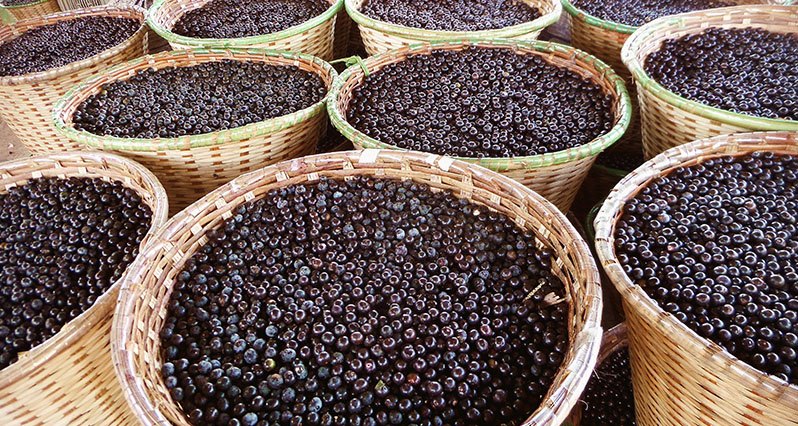
Acai berries have become a popular superfood in recent years, but their origin and cultural significance go back centuries. These small purple fruits come from the acai palm tree, which grows in the Amazon rainforest of Brazil and other parts of South America.
The history of the acai berry dates back to ancient times when indigenous tribes used it for its nutritional properties. The fruit is high in antioxidants, fiber, and healthy fats, making it an ideal food source for those living off the land. It was also believed to have medicinal properties and was used to treat various illnesses.
In more recent times, acai has gained popularity around the world due to its health benefits and delicious taste. It can be found in smoothie bowls, juices, supplements, and other health products.
However, it’s important to note that not all acai products are created equal. The most nutritious form of acai is fresh or frozen pulp that has been minimally processed without added sugars or preservatives.
Aside from its nutritional value, acai holds cultural significance for many people in Brazil and throughout South America. In fact, it’s often referred to as “the fruit of life” by some indigenous groups due to its importance as both food and medicine.
One way that acai is celebrated culturally is through festivals such as the “Festival do Açaí” held annually in Belém do Pará – one of the largest cities near where these berries grow naturally. This festival brings together locals who enjoy traditional dishes made with fresh-picked berries like ice cream or cakes while listening to live music performed on stage by local artists showcasing regional rhythms such as Carimbó & Tecnobrega
Another way that this fruit is celebrated culturally is through artistry—many artisans use natural materials like seeds from plants native only hereabouts – including Açai-wooden beads made out of açai seeds are commonly seen at street markets across Brazil today.
For some Brazilians, acai represents a connection to their roots and the traditions of their ancestors. It is not just about the physical benefits that it provides but also the cultural significance that has been passed down through generations.
While acai berries are now enjoyed around the world, it’s important to remember their origin and cultural significance in Brazil and throughout South America. By consuming this superfood mindfully and responsibly, we can honor its history and respect the communities who have relied on it for centuries.
In conclusion, Acai berries are more than just another trendy superfood – they represent centuries of tradition and culture for many people in Brazil and beyond. Whether you enjoy them as part of your healthy diet or appreciate them for their cultural significance, there’s no denying that these little purple fruits have made a big impact on our world today.

Leave a Reply