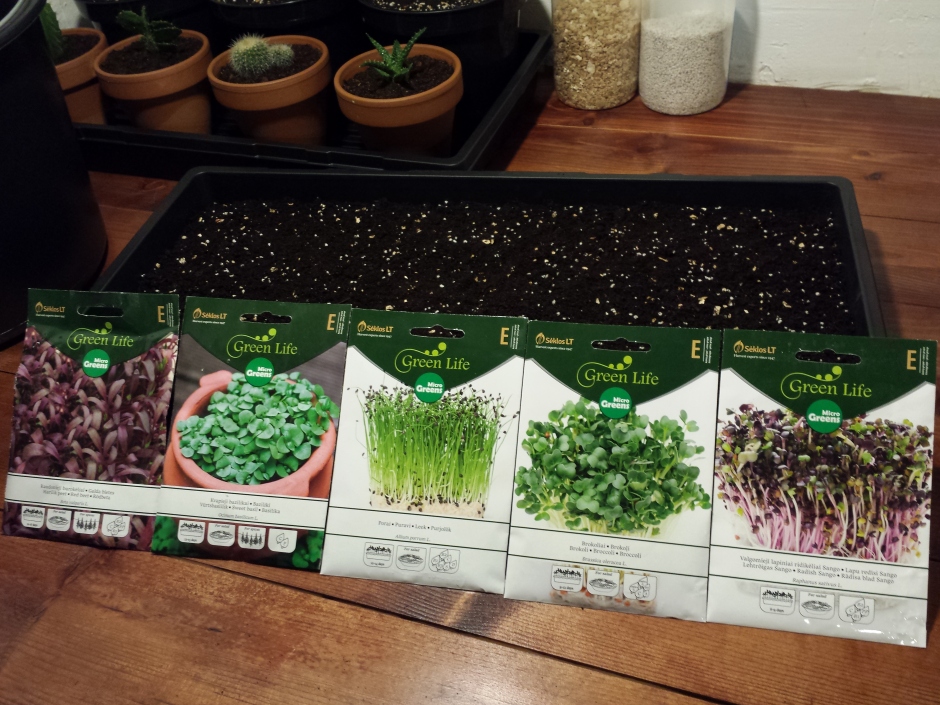
As a vegetarian, I am always looking for ways to add more nutrients to my diet. One of the best ways I have found is by growing microgreens at home and adding them to my meals.
Microgreens are tiny plants that are harvested when they are just a few weeks old. They come in different varieties such as kale, arugula, radish, and broccoli. These seedlings may be small in size but pack a punch when it comes to nutrition. They contain high levels of vitamins, minerals, and antioxidants making them an excellent addition to any diet.
The first step in growing microgreens is choosing the right soil. The ideal soil for microgreens should be lightweight and able to retain moisture while allowing excess water to drain away quickly. A good soil mix contains peat moss or coconut coir as well as perlite or vermiculite.
Peat moss is an organic material that helps improve soil structure while retaining moisture which prevents the roots from drying out too quickly. On the other hand, coconut coir has similar properties but is more sustainable since it comes from renewable resources.
Perlite and vermiculite are both lightweight materials that help improve drainage without affecting the nutrient content of the soil. Perlite has better drainage compared to vermiculite hence recommended for use on its own or mixed with other substrates like coconut coir or peat moss.
When selecting your substrate mix ensure you pick one that does not contain fertilizers since most seeds do not require fertilizer during germination as this can lead to stunted growth if applied too early.
It’s important also to note that you can make your own potting mix by combining equal parts of peat moss (or coco coir) and perlite (or vermiculite). In addition, you can add some worm castings which provide essential nutrients for plant growth such as nitrogen phosphorus and potassium while also improving soil structure allowing for better water retention.
Another important factor to consider when growing microgreens is the pH of the soil. The ideal pH range for most microgreens is between 6.0 and 7.5, which means it should be slightly acidic to neutral.
To achieve this, you can use a simple soil test kit that measures the pH level or add lime to increase alkalinity if your mix is too acidic or sulfur to lower the pH if it’s too alkaline. Alternatively, you can use distilled water instead of tap water since it’s less likely to alter the pH level.
Now that we have covered some basics let’s dive into specific types of soils suitable for different varieties of microgreens:
1) Coco Coir- This substrate has become popular over time due to its sustainability compared to peat moss and excellent moisture retention capabilities. It also has high oxygen levels allowing roots access enough oxygen required during germination.
When using coco coir as a substrate, ensure you rinse it thoroughly before use since it contains some salts that may hinder seed growth.
Coco coir works best with brassica family varieties such as broccoli and kale among others.
2) Peat Moss- Just like coco coir peat moss retains a lot of moisture while providing good drainage properties making it an ideal choice for growing Microgreens. Peat moss also has excellent nutrient-holding capacity which allows plants access essential nutrients during growth stages
Peat Moss works best with amaranth, beetroot, chard varieties among others
3) Vermiculite – Vermiculite holds onto both water and minerals making them available throughout plant growth while simultaneously improving drainage capabilities which allow excess water out leading to healthy root development.
Vermiculite works well with lettuce family greens such as radish and arugula among others,
4) Perlite- Perlite is not only lightweight but improves soil structure through increased drainage rates hence reducing the likelihood of root rot. It also provides enough oxygen to seeds during germination stages.
Perlite is ideal for growing beetroot, chard, and spinach varieties among others.
In conclusion, choosing the right soil mix plays a significant role in the success of your microgreen growth process. By following these simple guidelines on selecting appropriate substrates for specific microgreens varieties you will be able to grow healthy nutrient-packed plants that can add flavor and nutrition to any meal.

Leave a Reply