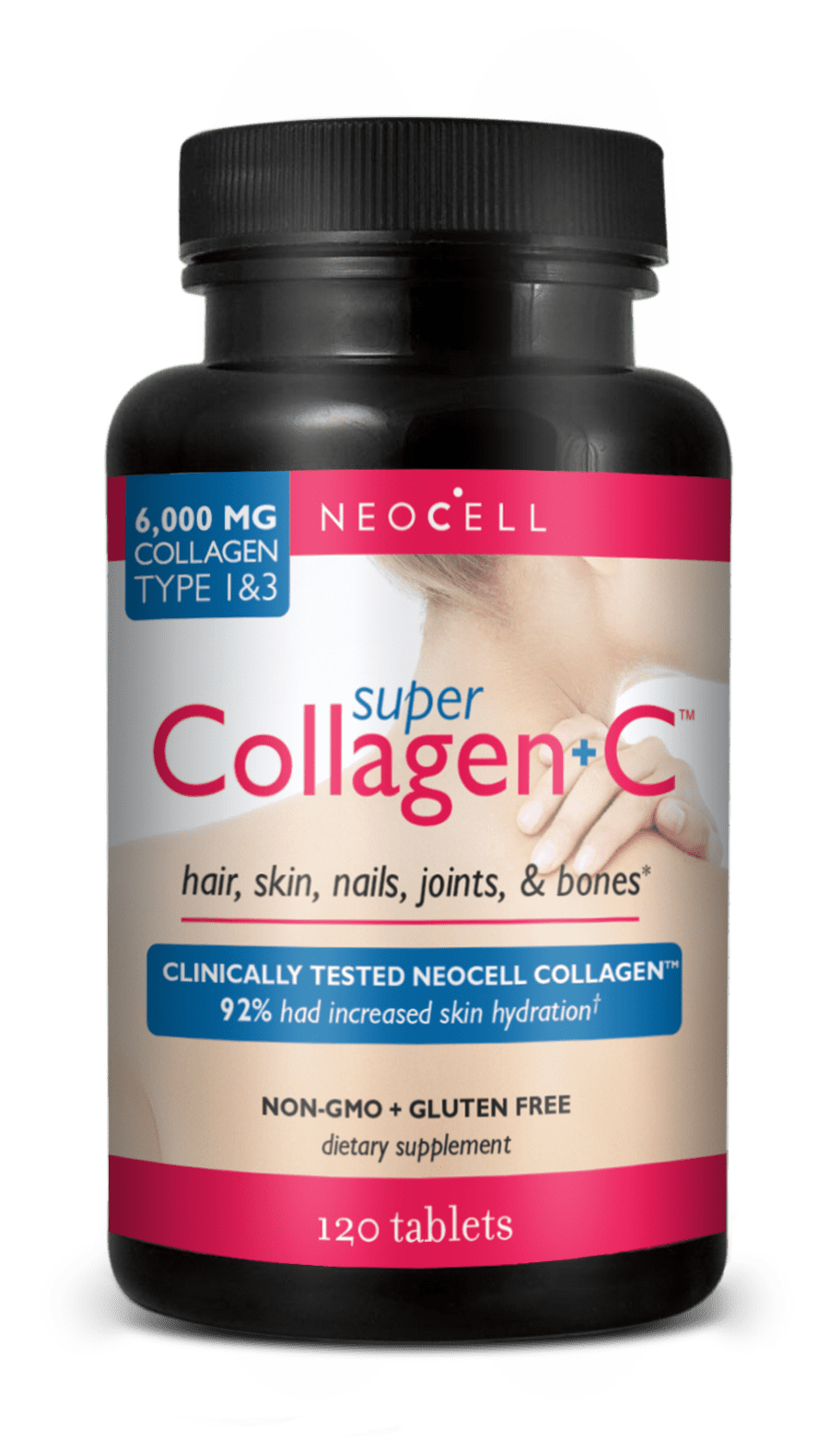
Collagen is a protein that plays a crucial role in the health of our skin, hair, nails, and joints. As we age, our body’s natural production of collagen slows down, which can lead to wrinkles, joint pain and stiffness. This is why many people turn to collagen supplements to help restore their body’s natural collagen levels.
But how much collagen should you take daily?
The recommended daily intake of collagen varies depending on your individual needs and the type of supplement you are taking. Here is some information to help you determine how much collagen you should be taking each day.
What is Collagen?
Collagen is the most abundant protein in our bodies and it plays a vital role in maintaining healthy skin, bones, muscles and tendons. It provides structure to these tissues by forming strong fibers that hold them together.
There are many types of collagen found throughout the body but the most common types are Type I (found in skin, bones and tendons), Type II (found in cartilage) and Type III (found in connective tissue).
As we age or expose ourselves to different environmental factors such as sun damage or smoking; our body’s ability to produce new collagen decreases significantly leading us towards aged-looking skin with wrinkles & fine lines.
This is where taking additional supplemental sources for collagens comes into play which has been gaining popularity over time due to its immense benefits.
Benefits of Taking Collagen Supplements
1. Improves Skin Health: Collagen helps improve skin elasticity by improving moisture retention hence reducing signs of aging like wrinkles & fine lines.
2. Reduces Joint Pain: Collagen supplementation has shown great results when it comes to reducing joint pains especially among athletes who experience higher wear & tear on their joints than others.
3. Helps Prevent Bone Loss: Our bones require adequate amounts of minerals like calcium along with proteins like collagens for keeping them strong & healthy thus providing better support against fractures & bone loss.
4. Boosts Muscle Mass: Collagen supplements have shown to help increase muscle mass in people who consume them regularly along with resistance training.
5. Enhances Hair & Nail Growth: The same collagen fibers that promote skin elasticity and joint health also play a role in hair and nail growth, making these tissues stronger and healthier.
How Much Collagen Should You Take Daily?
The daily recommended intake of collagen varies depending on the type of supplement you are taking. Most collagen supplements come in powder form which can be added to smoothies or other drinks for easy consumption.
Here are some guidelines for how much collagen you should take each day:
1. Type I Collagen (Skin Health): If your primary goal is to improve your skin health, then it is recommended to take 2.5-15 grams of hydrolyzed Type I collagen peptides per day.
2. Type II Collagen (Joint Health): For joint health, it is recommended to take 40mg-2g/day of undenatured Type II chicken collagen peptides.
3. Types I & III Collagen (Overall Health): If you’re looking for overall health benefits from collagen supplementation, then a dose between 2.5-15 grams per day of hydrolyzed Types I & III bovine or marine sources would be appropriate.
Factors That Affect How Much Collagen You Should Take
1) Age – As we age our body’s natural production decreases which may require higher doses than younger individuals
2) Activity Level – Athletes or anyone involved in high-intensity exercise may benefit from higher doses due to increased wear and tear on joints/muscles
3) Diet – Individuals with low protein intake may need more supplemental sources
4) Medical Conditions – People with certain medical conditions like osteoarthritis or rheumatoid arthritis may require higher doses than others
Conclusion:
Collagen supplementation has become increasingly popular over the years due to its many benefits for skin, joint and overall health. The recommended daily intake of collagen varies depending on your individual needs and the type of supplement you are taking.
It is important to speak with a healthcare professional before starting any new supplement regimen, especially if you have any medical conditions or are taking medications that could interact with collagen supplements.
By following these guidelines and incorporating collagen supplements into your daily routine, you can reap the benefits of improved skin health, joint mobility, bone strength & muscle mass.

Leave a Reply