When it comes to healthy eating, proper food storage is key. Whether you’re meal prepping for the week ahead or just trying to make sure your groceries last as long as possible, there are a few tips and tricks that can help you keep your food fresh and safe to eat.
1. Keep Your Fridge Organized
One of the most important things you can do when it comes to food storage is keeping your fridge organized. This means storing items in the right places and making sure nothing gets lost in the back of the fridge.
Firstly, try not to overload your fridge with too many items at once. Overcrowding can lead to poor air circulation which may cause bacteria growth on certain foods that require cooler temperatures like leafy greens and fruits.
Secondly, store raw meat on the bottom shelf in a container so any juices don’t drip onto other foods. Keep dairy products such as milk and cheese on higher shelves where it’s warmer than down below but still cool enough for them.
Lastly, group similar items together such as condiments all together or leftovers in one section so they’re easier to find later on.
2. Label Everything
Another important tip is labeling everything you store in your fridge or freezer with its name and date stored. This ensures that no forgotten dishes go bad and become unsafe for consumption over time due to expiration dates being exceeded without knowledge of how long it has been stored.
It also makes rotating through older produce easier by putting what needs to be used up first at front while fresher products are kept behind them until ready for use.
3. Use Airtight Containers
Using airtight containers is an excellent way of preserving freshness while also protecting against cross-contamination from other foods present within the same area (such as odours). When preparing meals ahead of time, consider sealing each portion into individual containers which will help reduce waste by allowing less exposure thus increasing its longevity overall compared to packaging everything together.
4. Don’t Forget About Your Freezer
Your freezer can be a lifesaver when it comes to meal prep, allowing you to store foods for longer periods of time without sacrificing quality or freshness. However, there are still some guidelines you should follow when storing food in your freezer.
Firstly, make sure that all items are stored in airtight containers or bags to prevent freezer burn and contamination from other items.
Secondly, label everything with the name of the item and the date it was frozen so that you know exactly what you have in your freezer and how long it has been stored for. This will help ensure that nothing goes bad before you get a chance to use it up.
Lastly, keep your freezer organized by organizing items into sections based on their type such as meats together or fruits/veggies together which makes finding things easier.
5. Use Mason Jars
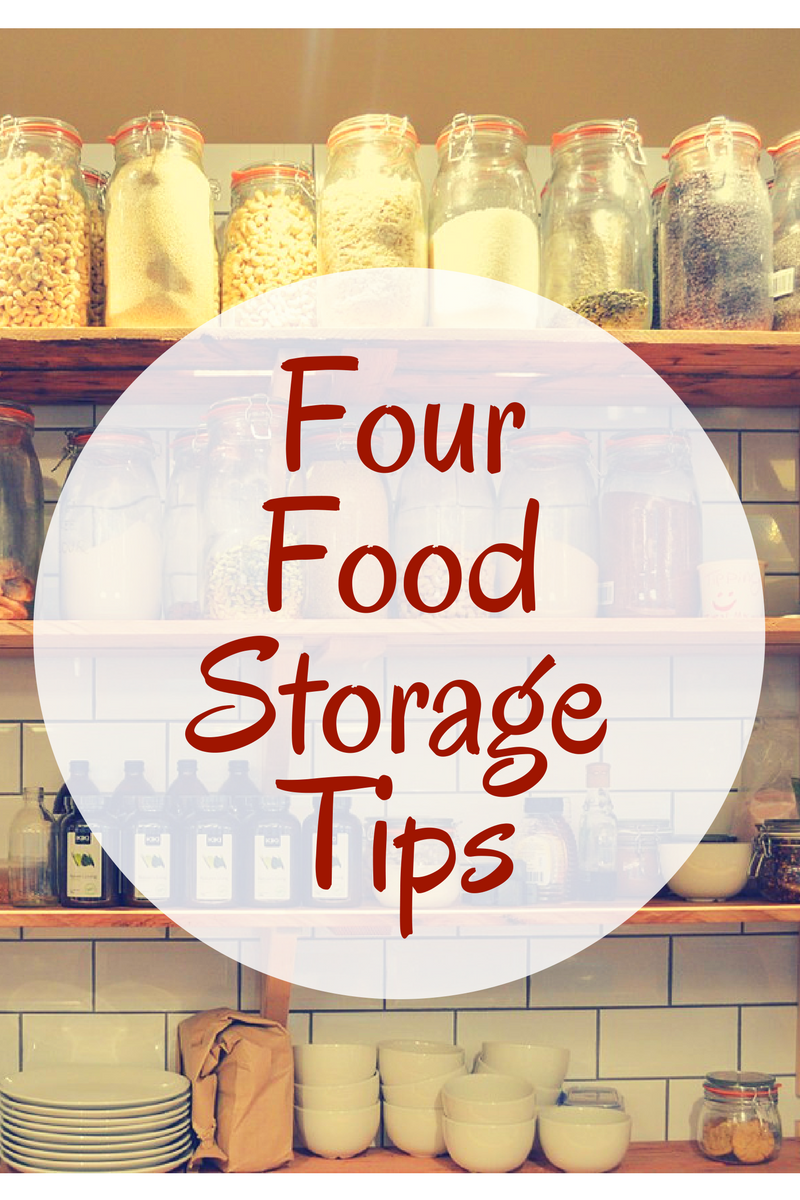
Mason jars are versatile and great for storing various types of food including whole grains like quinoa and rice plus soups or sauces which can be easily portioned out according to your needs later on. They’re also reusable making them eco-friendly while also being easy to clean due its glass material thus reducing plastic waste associated with disposable containers.
6. Keep Produce Fresh
Keeping produce fresh is essential if you want to maintain a healthy diet because they provide important nutrients which your body needs daily but only if they’re not rotting away first! One way of doing this is by using ventilated bags made specifically for produce such as those designed specifically for lettuce leaves known as ‘lettuce crisper’ bags).
Another option would be placing freshly washed produce directly into Tupperware containers where they’ll stay fresher longer than just sitting on an open shelf within fridge’s interior compartment.
7. Store Herbs Correctly
Herbs require specific storage methods compared other groceries due their delicate nature making them prone wilt quickly once harvested. One way would be to keep them in a small glass of water like flowers, this will also help prolong their freshness too.
Alternatively, another method is wrapping herbs within damp paper towels before placing them inside a plastic bag and storing in fridge’s crisper drawer.
8. Be Mindful Of The Temperature
Finally, it’s important to be mindful of the temperature at which you store your food. Certain foods require specific temperatures for optimal storage such as meats that need to be kept below 4°C (39°F) to prevent bacteria growth while others like fruits and vegetables should be stored between 7-10°C (45-50°F).
When storing foods together always ensure they’re compatible with each other based on temperature needs otherwise it could lead towards cross-contamination or spoilage.
In conclusion, proper food storage is crucial when it comes to maintaining a healthy diet. By following these tips and tricks you can extend the shelf life of your groceries while keeping them fresh and safe for consumption. With just a little bit of organization and planning ahead, you’ll find that meal prep becomes much easier than ever before!

Leave a Reply