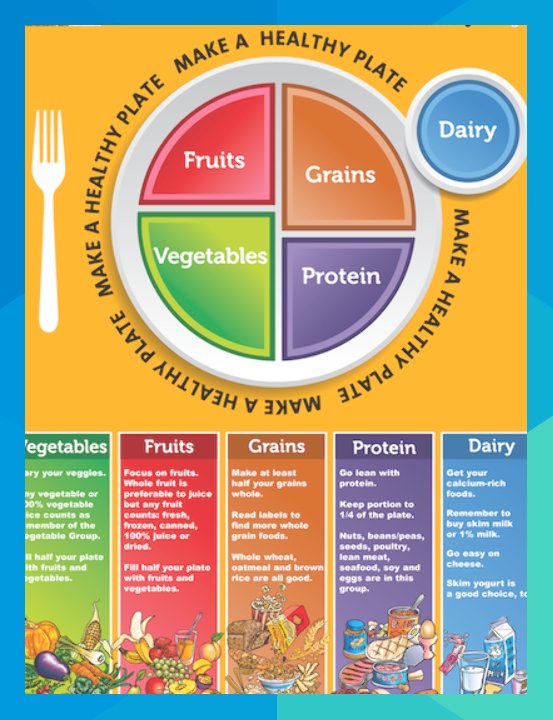
Nutritional Value: A Guide to Understanding What Your Body Needs
In today’s fast-paced world, it can be difficult to maintain a healthy diet. With busy schedules and the convenience of processed foods, we often overlook the importance of nutrition in our daily lives. However, making small changes to our eating habits can have significant benefits for our overall health and well-being.
So what exactly is nutritional value? In simple terms, it refers to the nutrients that are present in the food we eat. These nutrients include carbohydrates, proteins, fats, vitamins, minerals and water. Each of these play an essential role in maintaining good health.
Carbohydrates
Carbohydrates are one of three macronutrients that provide energy for our bodies. They are found in foods such as breads, cereals, fruits and vegetables. There are two types of carbohydrates; simple and complex.
Simple carbohydrates are found in foods like sugar and candy bars. They provide a quick source of energy but can cause blood sugar spikes due to their high glycemic index (GI). Complex carbohydrates on the other hand take longer to digest because they contain fiber which slows down digestion time thus keeping you fuller for longer periods while providing sustained energy levels throughout your day.
Proteins
Proteins help build muscle tissue among other things like hormone production or immune support functions within your body’s cells! They’re made up of amino acids which your body uses as building blocks for its own proteins.
Good sources include chicken breast or fish fillets (lean protein) but also beans/legumes such as lentils or chickpeas which provide both protein & fiber together at once!
Fats
Fats have gotten a bad reputation over the years with many people associating them with weight gain or heart disease. However not all fats were created equal – there are unsaturated fatty acids (good!) vs saturated fatty acids (bad!)
Unsaturated fatty acids help lower cholesterol levels and boost brain function. They are found in sources like nuts, seeds, olive oil or avocado for example! Saturated fatty acids on the other hand can raise LDL (bad) cholesterol levels which is linked to cardiovascular disease so it’s important to limit them.
Vitamins
Vitamins are essential organic compounds that our bodies need but cannot produce themselves. There are two types of vitamins: water-soluble and fat-soluble. Water-soluble vitamins include vitamin C and B complex vitamins such as niacin, thiamine, riboflavin etc while fat soluble ones include Vitamins A,D,E,K.
Fruits & vegetables are great sources of both types because they contain antioxidants which help protect against cell damage from free radicals or pollution among other things!
Minerals
Minerals play a crucial role in maintaining good health by helping our bodies perform vital functions like building bones or carrying oxygen throughout our bloodstream.
Iron is one mineral that many people fall short on especially women due to menstruation cycles so it’s important to make sure you’re getting enough through diet – red meat/poultry/fish/beans/nuts/seeds all have iron content!
Water
Lastly but not leastly – water! Our body needs water for proper hydration of cells and tissues plus electrolyte balance too. Drinking at least eight glasses a day can help prevent dehydration symptoms like fatigue or headaches among others while also keeping skin looking healthy & hydrated!
So how do we ensure we’re getting all these nutrients? The key is eating a balanced diet with plenty of whole foods including fruits & veggies along with lean protein sources like poultry/fish/beans etc. It’s also important to read food labels carefully when shopping so you know what you’re putting into your body!
In conclusion, understanding nutritional value is an essential part of living a healthy lifestyle. By making small changes to our eating habits and choosing whole foods over processed ones, we can improve our overall health and well-being. So the next time you reach for a snack or meal, consider the nutritional value of what you’re eating and make choices that will benefit your body in the long run!

Leave a Reply