Foraging for Wild Edibles: A Guide to Healthy and Sustainable Eating
For centuries, people have been foraging for wild edibles as a means of sustenance. In recent years, there has been a resurgence in interest in this practice as people seek out new ways to eat healthy and sustainably. Foraging allows you to connect with nature while discovering new flavors and nutrients that cannot be found in traditional grocery stores.
Before we dive into the world of foraging, it is important to understand some basic rules. First and foremost, make sure you know what you are picking. Some wild plants can be poisonous or harmful if consumed in large quantities. Always consult a reliable guidebook or expert before consuming any wild edible plant.
Additionally, it is important to only harvest what you need and leave enough behind for the plant to continue growing. Over-harvesting can lead to depletion of natural resources and harm local ecosystems.
Now let’s explore some common wild edibles that are safe and easy to identify:
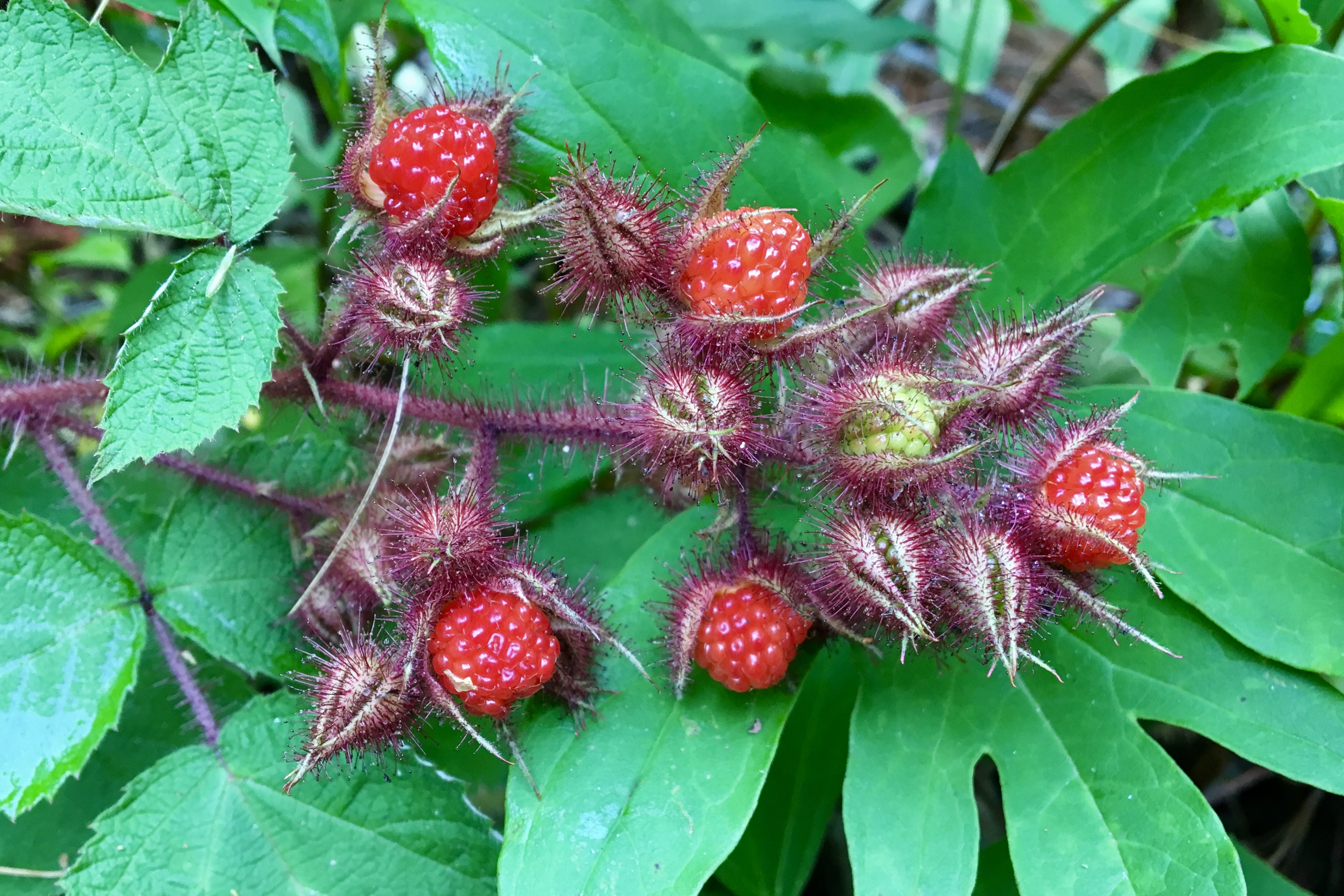
1) Berries – Blackberries, raspberries, blueberries, strawberries – all delicious options provided they aren’t sprayed with pesticides.
2) Nuts – Hazelnuts, walnuts, acorns (with proper preparation), etc.
3) Greens – Dandelion greens (bitter but nutritious), chickweed (mild-tasting), lambsquarters (similar taste profile as spinach), etc.
4) Fruits – Apples from abandoned orchards or crabapples growing along roadsides
5) Roots/Tubers – Burdock root (great in stir-fries), cattail roots (can be boiled like potatoes)
6) Mushrooms- Morels are popular but can be hard-to-find; chanterelles grow on forest floors near trees; oyster mushrooms grow on dead logs/logs.
When searching for these items consider where they might grow so look at maps of your area online. Once you have a good idea of where to look it’s time to head out into the woods!
When foraging, be sure to leave behind any plants that show signs of disease or insect damage. These can be harmful if consumed.
It is also important to note that some wild plants may have a strong taste or texture compared to what we are used to with commercially grown produce. Don’t let this discourage you! Experiment with different preparations and cooking methods until you find something that you enjoy.
Finally, always remember to practice sustainable foraging practices when harvesting wild edibles. Only take what you need and leave enough behind for the plant and its ecosystem.
In conclusion, foraging offers a unique opportunity to connect with nature while discovering new flavors and nutrients in your diet. With proper preparation and guidance, it can be a safe and rewarding experience that leads to healthy eating habits and long-term sustainability of our environment. Happy foraging!

Leave a Reply